EN
EN

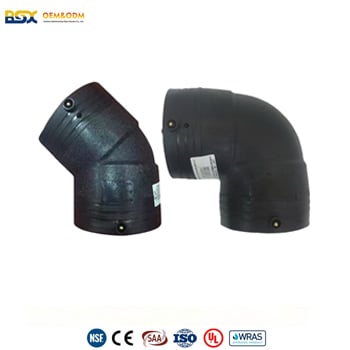
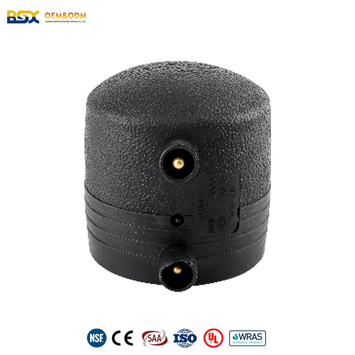
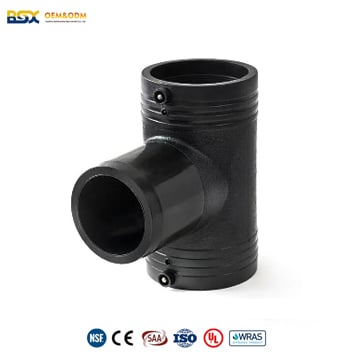
HDPE Electrofusion 45° Elbow
Raw Material: PE100, PE100RC
Standards: EN12201, ISO 4427, AS/NZS 4129
Diameter: DN20–800 mm (larger sizes available on request)
- Overview
- Recommended Products
Product Description
The main functions of HDPE electrofusion 45° elbow are to change the direction of the pipeline, absorb the thermal expansion and contraction of the pipeline system, reduce the vibration and noise of the pipeline system, and connect pipelines of different specifications or materials. According to different connection methods, 45° elbows can be divided into electrofusion 45° elbows and butt fusion 45° elbows.
Introduction to HDPE Pipe Fitting Connection
High-Density Polyethylene (HDPE) pipes and fittings are mainly connected by socket welding, butt welding and electrofusion connection. These connection methods make the construction process of HDPE pipes and fittings simple, economical, safe and reliable. The production of 45° elbows in HDPE pipeline systems also follows these connection methods to ensure the integrity and functionality of the pipeline system.
Socket Welding: It is a common connection method. Insert the pipe into the socket of the fitting, and then use hot melt technology to firmly connect the two together.
Butt Welding: Suitable for direct welding between two HDPE pipes or fittings. The pipe ends and fittings are heated to melt and connect, forming an integral whole.
Electrofusion Connection: Use electric current to pass through the heating element to generate heat, melt and fuse the connecting parts of the pipe and fittings, so as to achieve seamless connection.
Differences Between HDPE Electrofusion 45° Elbow and Hot Melt 45° Elbow
1. Electrofusion connection is performed using an electrofusion welding machine. This connection method first requires energizing the copper wire inside the welding machine, then placing the external PE pipe in the heating area. When the temperature is high enough, the copper wire can melt and connect. Electrofusion connection is often used in gas pipelines and occasions where large-scale excavation is not possible, which reflects its specific application environment and conditions.
2. Hot melt connection is performed using a hot melt welding machine. This method requires heating the surface of the PE pipe for a long time, and when the heating temperature is high enough, it can be melted and connected. During hot melt connection, it is necessary to prepare relevant equipment and tools to ensure that there is no shortage of parts during the melting process. In the hot melting process, use appropriate tools to clamp the PE pipe, and check whether the clamped PE pipe is firm. Only when the PE pipe is firm enough can the next connection step be carried out.
3. The costs of electrofusion and hot melt are also different. Electrofusion is usually more expensive than hot melt because it is more commonly used in specific applications and conditions, such as gas pipeline installation; while hot melt is more common and relatively lower in cost.
HDPE electrofusion fittings developed and manufactured by Puhui (Puhui) have excellent strength and wear resistance.
Puhui HDPE electrofusion fittings are widely used in PE pipeline connection.
- Clean, non-toxic and hygienic raw materials.
- The entire electrofusion process is fully automated, simple and safe, supporting QR code scanning welding without manual intervention.
- High electrofusion welding strength fundamentally ensures the interface material and structure of the pipeline system as well as the characteristics of the pipeline itself, realizing a high degree of integration between the fitting and the pipeline material, and ensuring no leakage, reliable connection and no hidden dangers at the interface.
- Corrosion resistance and long service life.
- No shrinkage phenomenon.
- Low installation cost, high efficiency and stable quality.
- The installation process is not limited by environment and space, with flexible operation, which can meet the needs of complex installation conditions.
- Electrofusion welding can effectively resist underground movement and end loads.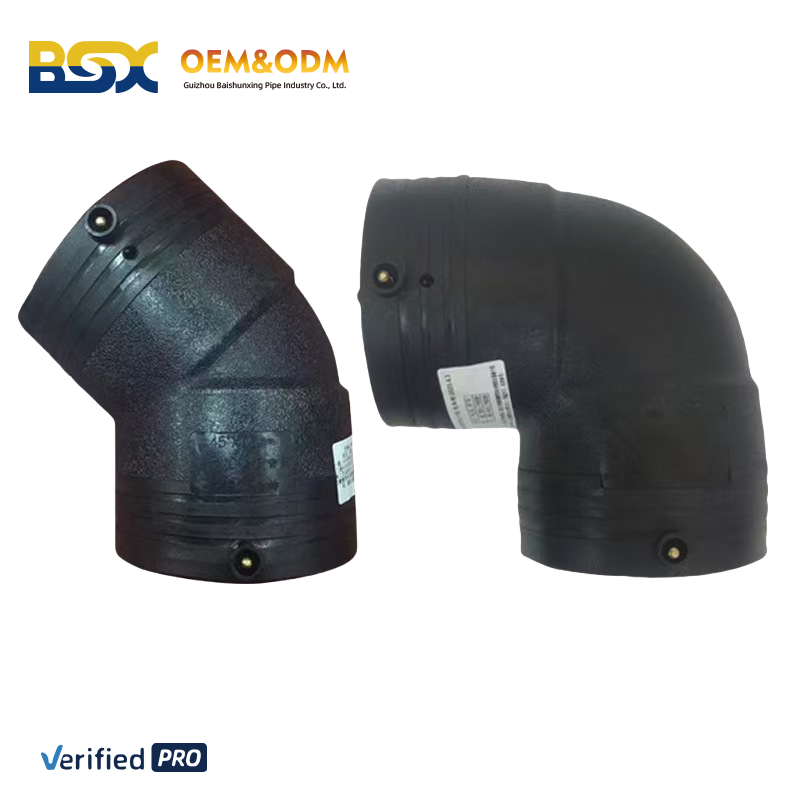
| Raw Material | PE100, PE100RC |
| Standards | EN12201, ISO 4427, AS/NZS 4129 |
| Diameter | DN20–800 mm (larger sizes available on request) |
| Pressure Rating | SDR9, SDR11, SDR17, SDR26 |
| Certifications | CE, ISO, WRAS, UL |
| Color | Black (custom colors available) |