EN
EN
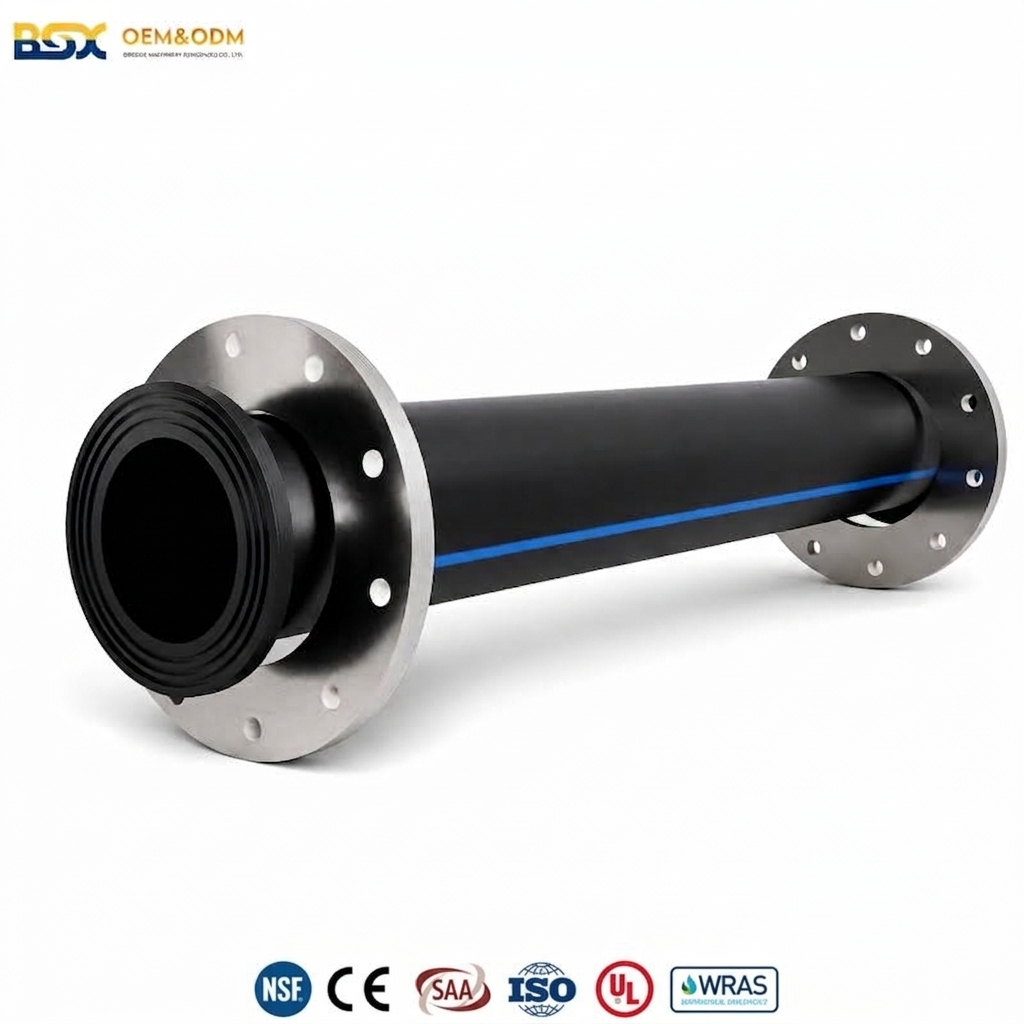
HDPE Dredging Pipe
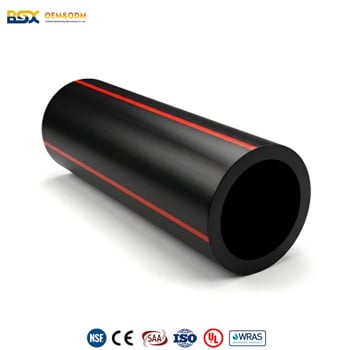
HDPE Dredging Pipe
Raw materials: PE100, PE4710, PE100RC
Standard: ISO 4427/EN 12201/S/NZS 4130
Diameter range: DN50mm-DN1000mm
Pressure levels: SDR17, SDR13.6, SDR11, SDR9
PN10、PN12.5、PN16、PN20
Certification: UL, WRAS, NSF, ISO, CE
Length: 5.8 meters (20 feet), 11.8-12 meters//L40 feet
Color: Black background with blue stripes (customizable color)
- Overview
- Recommended Products
 Product Overview
HDPE Dredging Pipes are manufactured from high-grade High-Density Polyethylene (PE100), featuring lightweight, high strength, wear resistance, and corrosion resistance. These pipes are typically used with steel backing flanges (Stub Ends) and floats to form a complete floating or underwater transport system. They are widely applied in river dredging, port desilting, land reclamation, and tailings transport.
Key Features
Superior Wear Resistance:The wear resistance is 4 to 8 times that of steel pipes, effectively resisting the long-distance, high-speed erosion of abrasive media such as sand, gravel, and shells.
Excellent Impact Resistance:Excellent toughness allows it to withstand wave impact, dragging stress, and sudden internal pressure waves without brittle fracturing.
Lightweight & Good Buoyancy: The weight is only 1/8 that of steel pipes. When paired with shell-type floats, the piping system floats easily on the water, greatly simplifying surface operations.
Corrosion & Weather Resistance:Superior resistance to seawater, strong acids/alkalis, and intense UV rays; it will not rust and maintains stable performance during long-term outdoor exposure in extreme environments.
Major Advantages
Extremely Easy Installation:Both ends are typically fitted with welded Stub Ends and steel backing rings. This sectional connection method allows for rapid assembly on ships or water and is easy to disassemble.
Minimal Maintenance Costs:The smooth inner wall offers low flow resistance and is resistant to scaling. Due to its exceptional resistance to physical damage, frequent maintenance and replacement are virtually unnecessary throughout its service cycle.
High Flexibility to Adapt to Deformation:The pipes possess a degree of flexibility, allowing them to adapt to surface oscillations caused by waves and undulating riverbeds, effectively preventing leakage or fractures.
Extra Long Service Life:Compared to steel pipes that rust and perforate frequently, HDPE dredging pipes have a design life of up to 50 years, significantly enhancing the return on investment for projects.
Typical Applications
Port & River Dredging:Mud transport for channel silting clearance and port deepening.
Land Reclamation: Long-distance pumping of undersea sand and silt to reclamation areas.
Tailings & Slurry Transport:Long-distance discharge of slurry and slag containing hard particles in mines.
Offshore Pipeline Laying:Temporary offshore cross-regional water supply or liquid transport.
FAQ
1. What is HDPE dredging pipe used for?
It's used to transport dredged material — sand, mud, silt, or slurry — from a dredger to a discharge site, reclamation area, or disposal ground. It can run on land, float on water, or sit submerged, depending on the project layout.
2. Why use HDPE instead of steel for dredging pipe?
HDPE is lighter to handle, doesn't rust, and resists abrasion well compared to unlined steel — which matters since dredge slurry is constantly wearing down pipe walls. Steel is still used in some high-wear or high-pressure sections, often lined, but HDPE reduces overall handling and maintenance work.
3. How thick should dredging pipe walls be?
Thicker walls (lower SDR) are usually chosen for dredging duty specifically to handle abrasion from sand and sediment, not just pressure. The right wall thickness depends on your pump pressure, slurry abrasiveness, and expected service life before replacement.
4. Does dredging pipe wear out unevenly?
Yes — wear is usually heaviest at bends, the bottom of horizontal runs, and pump discharge points, since that's where particles impact or drag against the pipe wall most. Some projects rotate pipe sections periodically to spread out wear and extend usable life.
5. How are dredging pipe sections connected?
Land and submerged sections are often joined by butt fusion for a permanent, leak-free line, while sections that need frequent disassembly (like floating strings) typically use flanged or quick-release couplings instead. The right method depends on whether that section needs to move.
6. Can dredging pipe run submerged underwater?
Yes — submerged HDPE pipe is commonly used to route dredge lines across channels, harbors, or waterways without blocking vessel traffic on the surface. It usually needs weighting (like concrete collars) to keep it down against buoyancy and current.
7. What slurry flow speed does dredging pipe need?
Flow needs to stay fast enough to keep solids suspended (above the "critical velocity") — too slow and particles settle and clog the line, too fast and abrasive wear increases. This is a pump and pipeline design calculation, not something read off a size chart alone.
8. What diameters does HDPE dredging pipe come in?
Dredging pipe is typically supplied in larger diameters to handle high slurry volumes, often several hundred millimeters up to a meter or more, depending on the dredger's pump capacity and production rate.
9. Does dredging pipe need UV protection?
Any section left exposed above water or on land for extended periods should be UV-stabilized black HDPE. Submerged or quickly buried sections are less affected by UV, but most dredging projects use UV-rated pipe throughout for simplicity.
10. How long does HDPE dredging pipe last?
Lifespan depends heavily on slurry abrasiveness, flow velocity, and how much of the run is exposed to wear at bends and discharge points — this is typically much shorter than a buried water or gas pipeline's rated life. High-wear sections are often treated as a wear item and budgeted for periodic replacement.
Case
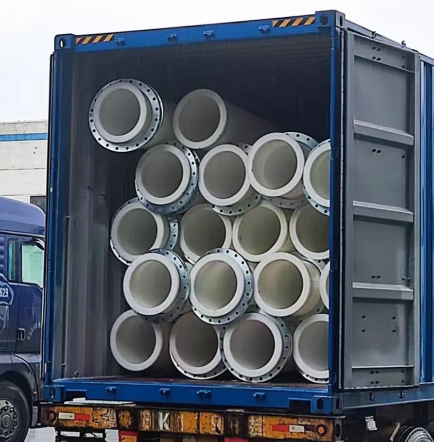
Product: HDPE Floating Dredging Pipeline
DN200mm SDR17, SDR13.6
Location: Indonesia