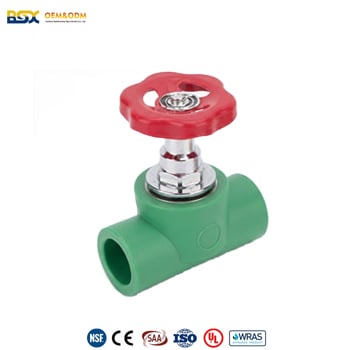
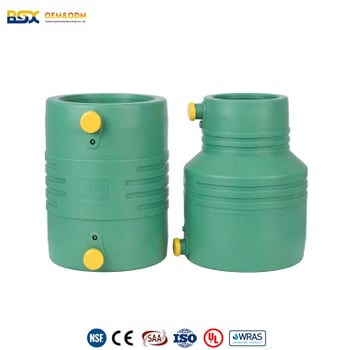
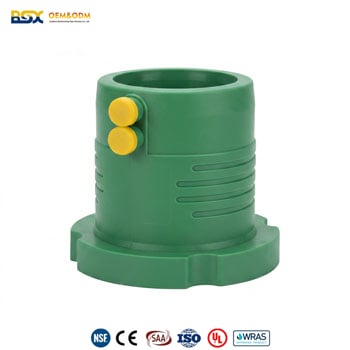
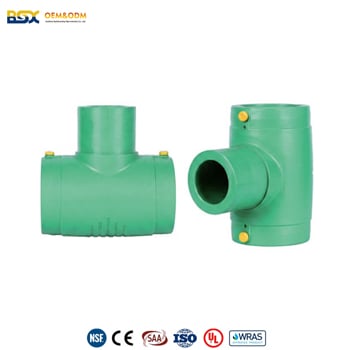
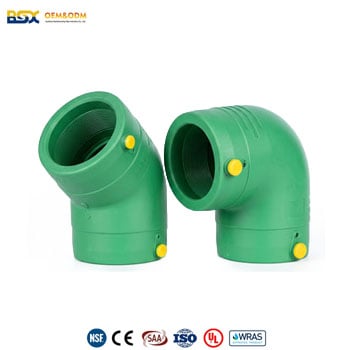
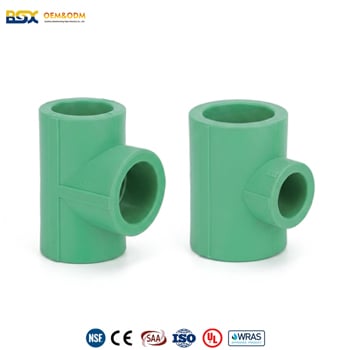
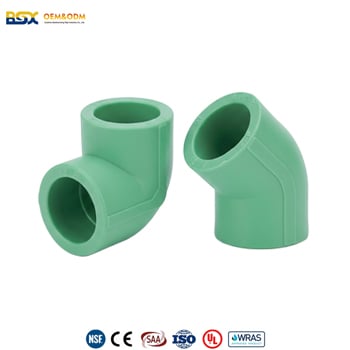
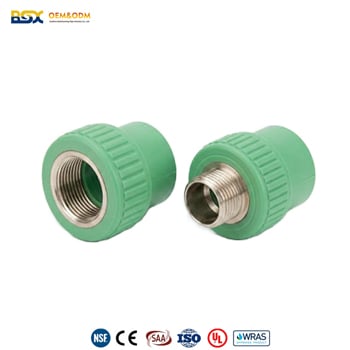
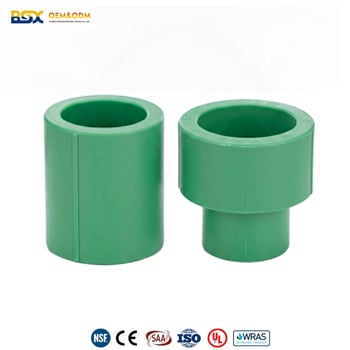
PPR pipes (Type III polypropylene pipes / random copolymer polypropylene pipes) are thermoplastic plastic pipes made primarily from random copolymer polypropylene through extrusion molding. They are currently the preferred material for residential hot and cold water systems and are also one of the most widely used plastic pipes in the construction plumbing field.
Hygienic and environmentally friendly: PPR raw materials belong to polyolefins, with molecules composed only of carbon and hydrogen elements. They have reliable sanitary performance and can be used for drinking water transportation.
Reliable connection: Uses hot-melt connection, which can integrate the pipe and fittings, making the connection firm and providing good sealing, effectively preventing leaks.
Insulation and energy saving: Thermal conductivity is 0.24 W/m·K, only one two-hundredth that of metal pipes, resulting in minimal heat loss for hot water pipelines.
Lightweight and high strength: Specific gravity is about one-eighth that of steel pipes, with high pressure resistance, good toughness, and excellent impact resistance.
Corrosion-resistant and scale-free: Chemically stable, it does not react with any ions in water or chemicals in buildings, preventing pipe scaling and blockage as well as yellow stains or rust marks in sinks and bathtubs.

 EN
EN