EN
EN

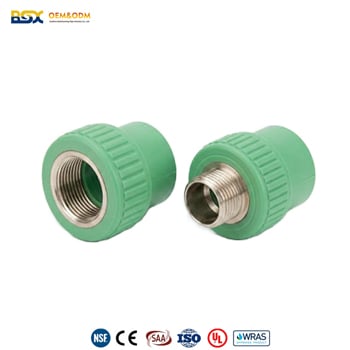
PPR electrofusion direct joint fittings
Baishunxing PPR electrofusion direct joint fittings
Material:PPR resin
Standard:ISO 15874, DIN 8077/8078
Specification:20mm–160mm/customization
Pressure:PN12.5,PN16,PN20,PN25
- Overview
- Recommended Products
Product Introduction
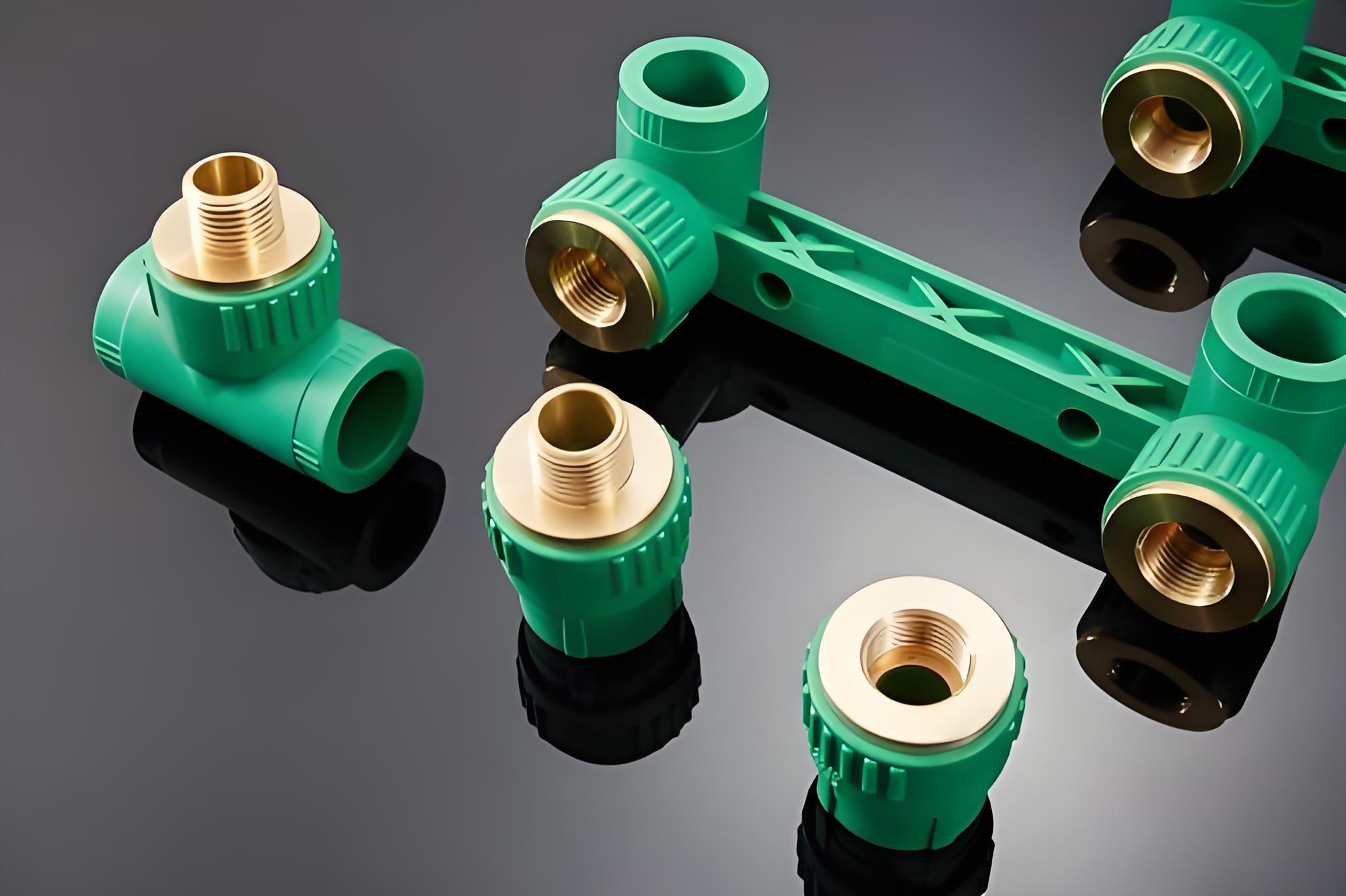
Baishunxing Pipe Industry PPR Threaded Couplings (Transition Fittings) are specialized connectors designed to bridge the gap between PPR piping and metal components such as faucets, valves, water meters, and traditional metal pipes. These fittings feature a high-quality, corrosion-resistant brass insert firmly embedded within a robust PPR body, allowing for a secure, leak-proof transition from heat fusion joints to mechanical threaded connections.
Key Characteristics
Precision-Machined Brass Inserts: Features high-grade CW617N or DZR brass threads with deep, accurate profiles for a perfect seal with metal fittings.
Anti-Rotation & Anti-Leak Design: The brass insert is engineered with a multi-toothed knurling pattern and an EPDM O-ring seat to prevent rotation and water seepage under high pressure.
BPA-Free PPR Body: The outer body is made from 100% virgin Random Copolymer Polypropylene, ensuring full compatibility with standard PPR welding tools.
Standard Thread Profiles: Available in BSP, BSPT, or NPT thread standards to meet global plumbing requirements.
Core Advantages
Superior Transition Strength: The combination of tough plastic and rigid metal provides the structural integrity needed at high-stress connection points.
Excellent Corrosion Resistance: The high-quality brass alloy resists dezincification and galvanic corrosion, preventing rust and scale formation at the joint.
Lead-Free Safety: Certified for drinking water systems, ensuring that no harmful heavy metals leach into the water supply.
Easy Installation: Features an ergonomic hexagonal or octagonal outer surface on the PPR body for easy gripping with wrenches during assembly.
Primary Applications
Faucet & Sanitary Fixture Connection: Connecting bathroom and kitchen faucets, shower mixers, and toilets to the PPR main line.
Appliance Integration: Connecting washing machines, dishwashers, and water heaters to the domestic water supply.
System Instrumentation: Mounting water meters, pressure gauges, and temperature sensors within the piping network.
Transition to Metal Systems: Facilitating extensions or repairs where existing metal piping systems meet new PPR installations.
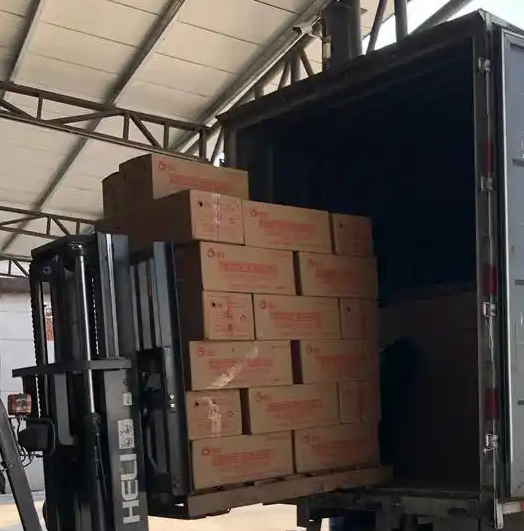
Case
Product: PPR electrofusion direct joint fittings
Location: USA