EN
EN

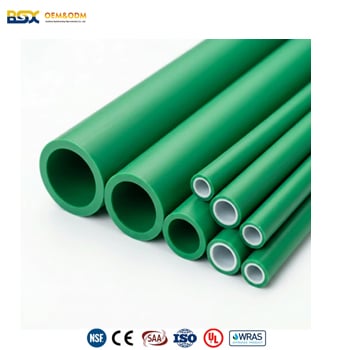
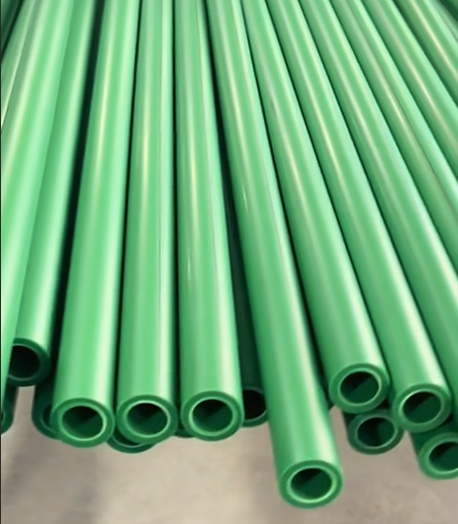
PPR Cold Water Pipe
BSX PPR Cold Water Pipe
Raw material: PPR resin
Standard: ISO 15874/DIN 8077/DIN 8078/ASTM F2389
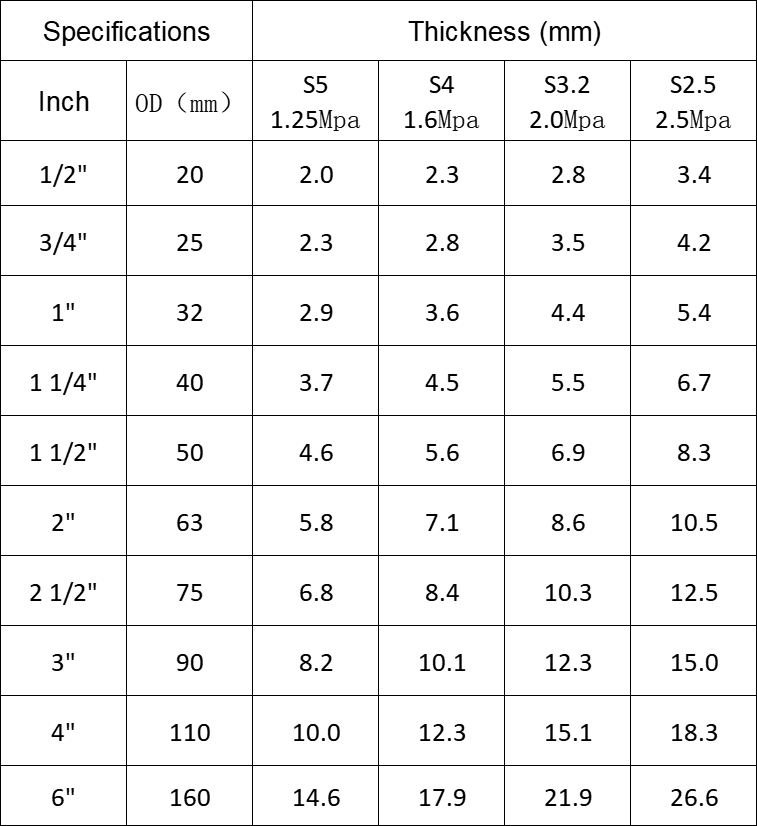
Size: DN20-160mm/customized
Pressure: PN12.5 (S5), PN16 (S4), PN20 (S3.2), PN25 (S2.5)
- Overview
- Recommended Products
 Product Introduction
Baishunxing Pipe Industry Pipe Industry PPR Cold Water Pipe is the ideal solution for ambient temperature water distribution systems. Engineered for high flow efficiency and maximum cost-effectiveness, it provides a corrosion-free and scale-resistant piping network for residential, commercial, and agricultural cold water supply.
Key Features
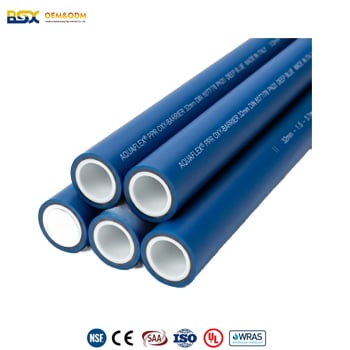
Blue Stripe Identification
Features distinctive longitudinal blue stripes for quick identification, preventing installation errors with hot water lines.
High Flow Capacity
With a thinner wall (SDR11/SDR9) than hot water pipes, it offers a larger internal diameter and higher flow rates for cold water.
Potable Water Safe
Made from 100% virgin PPR material, ensuring no impact on the odor or taste of drinking water.
Pressure Resistance
Standardized pressure ratings (PN10-PN16) ensure reliable performance in municipal and private water networks.
Technical Advantages
Cost Efficiency
Offers the same durability and hygiene as hot water pipes but at a more economical price point for cold water applications.
Chemical & Impact Resistance
Resistant to common chemicals and rugged enough to withstand site handling and installation stress.
Smooth Bore Technology
Extremely low roughness prevents the buildup of lime and bacteria, maintaining a hygienic water environment.
Application Scenarios
Municipal Cold Water : Underground piping for public and residential cold water distribution.
Air Conditioning Systems: Transportation of chilled water for HVAC and cooling towers.
Swimming Pools : Piping for pool filtration and circulation systems. Farm Irrigation : Reliable water transport for greenhouses and large-scale farming.
FAQ
1. What is PPR cold water pipe?
It's PPR pipe made and rated specifically for cold water use — cold water supply lines, irrigation, and compressed air — rather than hot water or heating systems. It uses the same base material as hot water PPR pipe but is often supplied at a lower PN class since it doesn't need to handle high temperatures.
2. Is cold water PPR pipe cheaper than hot water PPR pipe?
Often slightly, yes — since it doesn't need to be rated for high-temperature, high-pressure service, cold water PPR can use a thinner wall (higher SDR) for the same diameter, which can reduce material cost. Always confirm the actual pressure rating rather than assuming "cold water" pipe is always cheaper or thinner.
3. Can cold water PPR pipe accidentally be used for hot water?
It shouldn't be — pipe rated only for cold water isn't tested or guaranteed to handle sustained hot water pressure and temperature, and using it for hot water can shorten its life or cause failure. Always check the pipe's actual PN and temperature rating before connecting it to any hot water source.
4. How can I tell cold water PPR pipe apart from hot water-rated pipe?
Manufacturers often use different colors or printed markings (such as blue for cold water lines) to distinguish pipe types, but color conventions vary by brand and region. The reliable way to check is the printed PN rating and temperature spec on the pipe itself, not color alone.
5. Is PPR cold water pipe safe for drinking water?
Yes, when certified for potable use — look for compliance with drinking water standards such as NSF/ANSI 61 or your local equivalent, the same as you would for any PPR pipe intended for a drinking water line.
6. Can PPR cold water pipe be used for irrigation or compressed air?
Yes, it's commonly used for both, since neither application requires hot-water pressure ratings. For irrigation specifically, check whether the pipe needs UV protection if any sections will be exposed above ground.
7. Does cold water PPR pipe need UV protection outdoors?
Yes, if it's exposed to sunlight long-term — standard PPR degrades under UV exposure over time regardless of whether it's rated for hot or cold water. Bury it, protect it, or choose a UV-stabilized version for permanent outdoor runs.
8. Is cold water PPR pipe joined the same way as hot water PPR pipe?
Yes — it's still joined by heat/socket fusion, not glued. The joining method doesn't change based on whether the pipe is rated for hot or cold water.
9. Can cold water and hot water PPR pipe use the same fittings?
Generally within the same PN/pressure class and diameter, yes, but always match fittings to the pipe's actual rating rather than assuming compatibility. Mixing pipe and fittings from different pressure classes can create a weak point in the system.
10. How long does PPR cold water pipe last?
Properly installed and used within its rated pressure, it's typically rated for 50 years of service, similar to other PPR pipe. Since it's not exposed to hot water stress, cold water-only lines often see less thermal cycling stress over their lifespan than hot water lines.
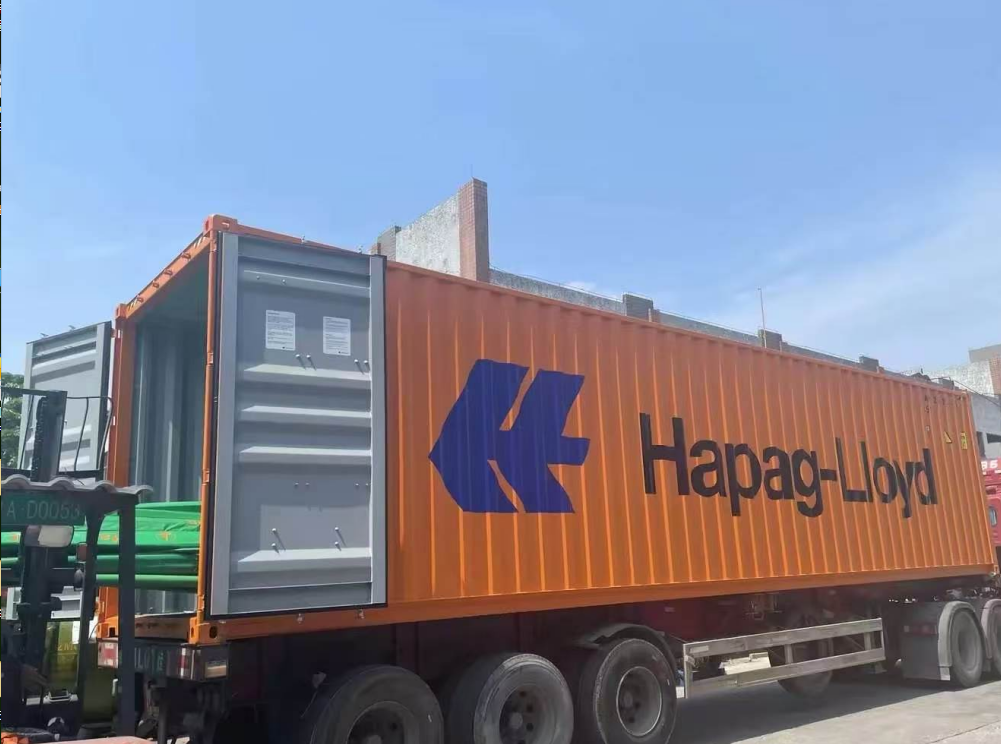
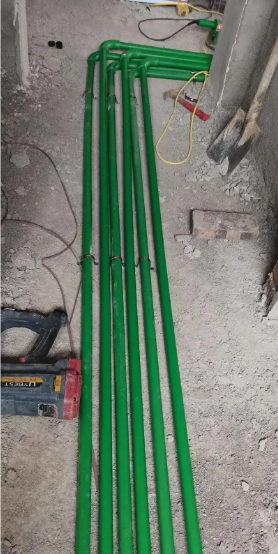
Case
Product:PPR Cold Water Pipe
PN16 50*5.6mm
Location: US