EN
EN

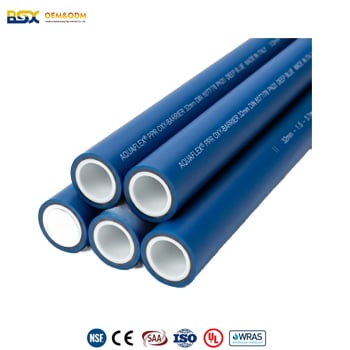
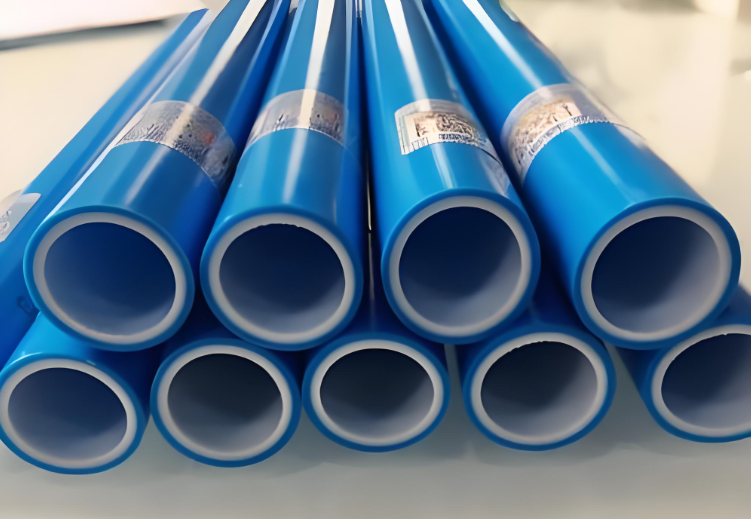
PPR Oxygen-barrier Tube
BSX PPR Oxygen-barrier Tube (EVOH Layer)
Raw material: PPR resin
Standard: ISO15874/DIN 8077/8078
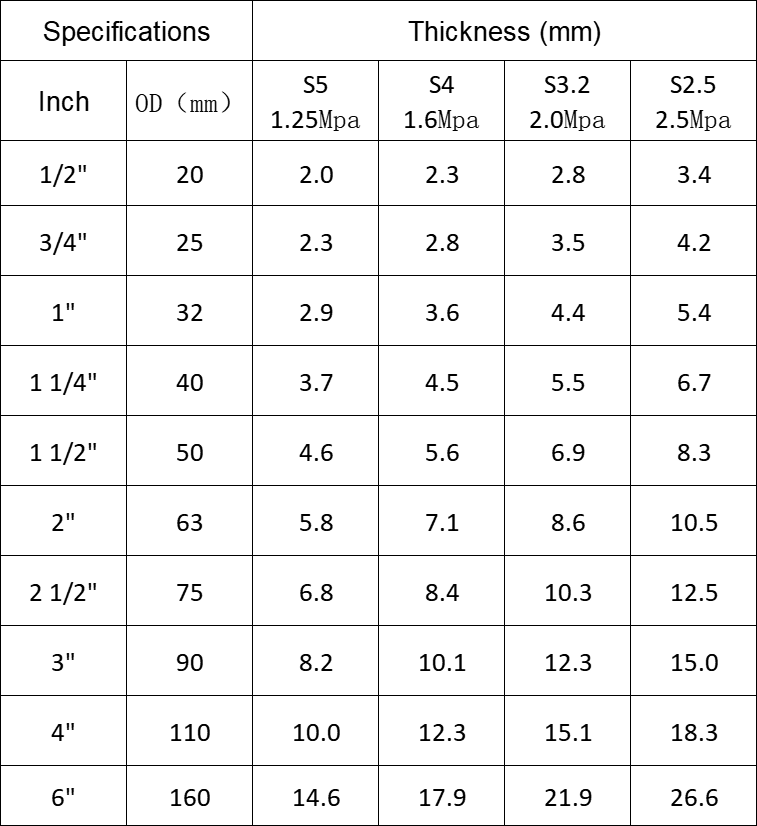
Size: DN20-110mm/customized
Pressure: PN20 (S3.2), PN25 (S2.5)
- Overview
- Recommended Products
 Product Introduction
Baishunxing Pipe Industry Pipe Industry PPR-EVOH Oxygen Barrier Pipe is a high-performance multi-layer composite pipe designed specifically for closed-loop heating and HVAC systems. By integrating an EVOH (Ethylene Vinyl Alcohol) layer, it effectively blocks oxygen from entering the water stream, preventing the oxidation and corrosion of expensive metal components like boilers, pumps, and valves.
Key Features
Superior Oxygen Barrier (EVOH Layer)
Complies with DIN 4726 standards, reducing oxygen permeability to less than 0.32 mg/(m²·d).
5-Layer Composite Technology
Consists of PPR (inner), Adhesive, EVOH, Adhesive, and PPR (outer) for maximum structural integrity.
System Protection
Prevents the growth of aerobic bacteria and algae, maintaining a clean and efficient heating system.
High Temperature & Pressure Rating
Typically rated at PN20/PN25, ensuring safety in long-term high-temperature heating cycles.
Technical Advantages
Extended Equipment Life
Drastically reduces maintenance costs by eliminating the root cause of metal corrosion in boilers and radiators.
High Flow Efficiency
Retains the smooth inner bore of standard PPR, preventing scale buildup even in complex heating loops.
Easy Installation (Heat Fusion)
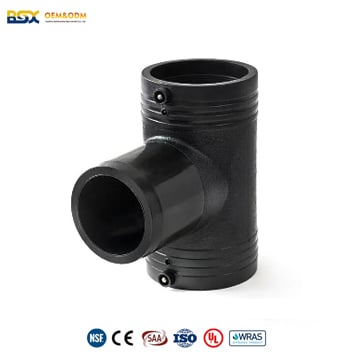
Compatible with standard PPR socket fusion fittings, requiring no special peeling tools (for 5-layer types).
Application Scenarios
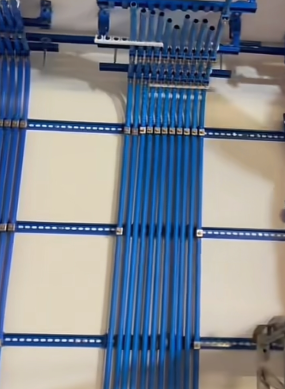
Underfloor Heating Systems : Ideal for radiant floor heating where oxygen diffusion can damage manifold systems.
Radiator Connections: Main supply lines for high-temperature radiator heating networks.
Central Air Conditioning : Chilled and hot water circulation in residential and commercial buildings.
Boiler Room Piping : Crucial for connecting heat sources to the distribution network.
FAQ
1. What is PPR oxygen-barrier tube?
It's PPR pipe with an added middle layer (usually EVOH) that blocks oxygen from passing through the pipe wall. It's built specifically for closed-loop heating systems, where oxygen getting into the water causes long-term problems.
2. Why does oxygen need to be blocked in a heating system?
Oxygen dissolved in water causes corrosion in metal parts of the system — boilers, radiators, pumps, and valves. Standard PPR pipe is slightly oxygen-permeable, so over years of use it can slowly let in enough oxygen to rust and damage metal components downstream.
3. Do I need oxygen-barrier pipe for a normal cold or hot water plumbing line?
No — oxygen barrier is only necessary for closed-loop systems like radiant floor heating or hydronic heating, where the same water recirculates through metal components long-term. Regular hot/cold water supply lines don't need it, since the water isn't recirculating through a closed metal system.
4. What is the barrier layer made of?
It's typically EVOH (ethylene vinyl alcohol), sandwiched as a middle layer between the PPR pipe walls. This layer doesn't affect the pipe's flexibility or strength — it just blocks oxygen diffusion through the pipe wall.
5. Is oxygen-barrier PPR tube joined the same way as regular PPR pipe?
Yes — it's still joined by heat/socket fusion, not glued. The barrier layer doesn't change the installation method, though installers should confirm the fitting is compatible with the pipe's specific wall construction.
6. Is oxygen-barrier tube required by code for floor heating systems?
In many regions, yes — oxygen-barrier pipe (meeting standards like DIN 4726) is required or strongly recommended for radiant floor heating and similar closed-loop systems to protect the boiler and metal fittings under warranty. Check your local plumbing/heating code and your boiler manufacturer's requirements.
7. Does oxygen-barrier tube cost more than regular PPR pipe?
Yes, slightly, due to the extra manufacturing layer. It's generally worth it for closed-loop heating systems, since replacing corroded boiler or pump components later costs far more than the price difference in pipe.
8. Can oxygen-barrier PPR tube be used for both floor heating and radiators?
Yes — it's suitable for radiant floor heating, panel radiators, and other hydronic heating setups where the same water circulates continuously through metal components.
9. How do I know if pipe is actually oxygen-barrier rated?
Check for a stated oxygen permeability rating or compliance with a recognized standard like DIN 4726, usually printed on the pipe or in the manufacturer's spec sheet. Don't assume a pipe is oxygen-barrier just because it looks similar to standard PPR — the barrier layer isn't visible from outside.
10. How long does PPR oxygen-barrier tube last?
Like standard PPR pipe, it's typically rated for around 50 years under normal pressure and temperature conditions. Its main advantage isn't a longer pipe lifespan — it's protecting the metal components connected to it from oxygen-related corrosion over that time.
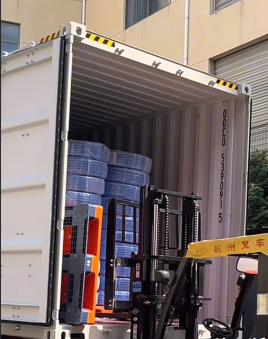
Case
Product: PPR Oxygen-barrier Tube
PN16 50*5.6mm
Location: US