EN
EN

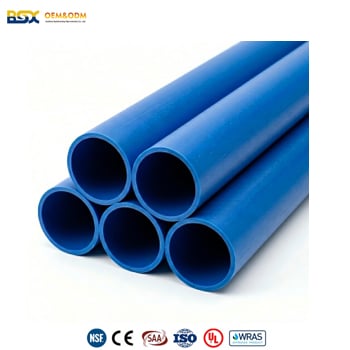
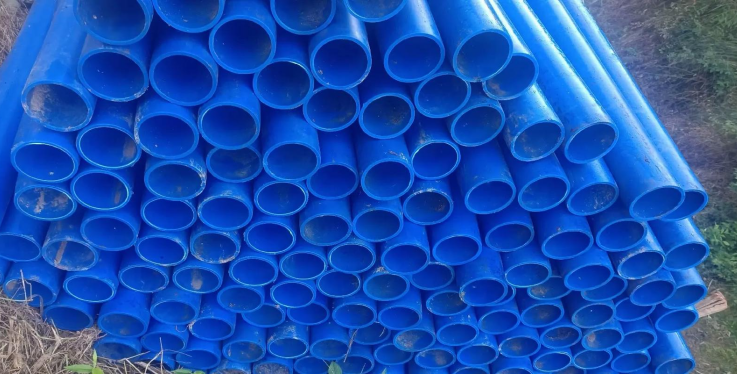
HDPE Blue Drain Pipe
BSX HDPE Blue Drain Pipe
Raw materials: PE100, PE4710, PE100RC
Standard: ISO 4427/EN 12201/S/NZS 4130
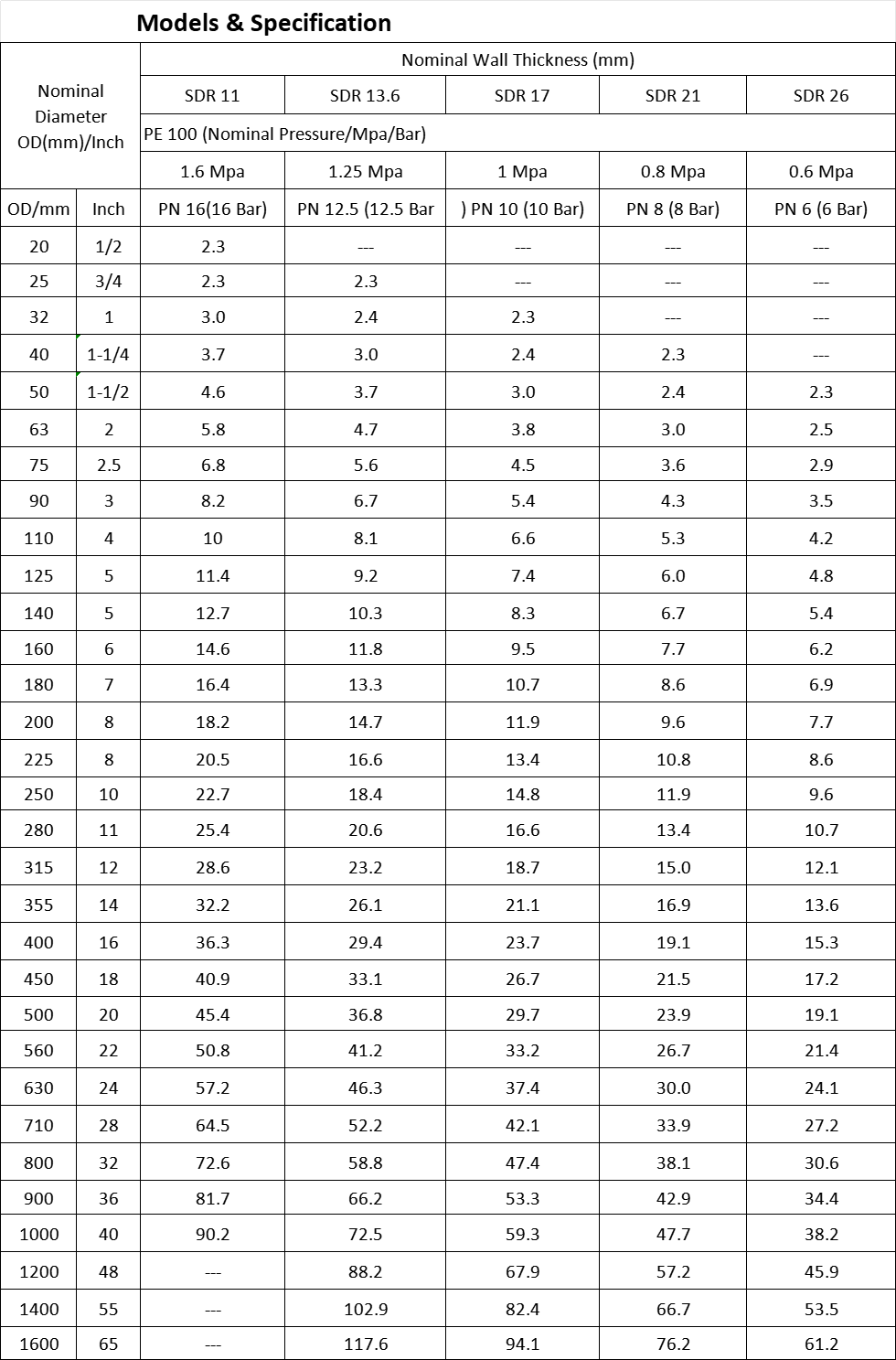
Diameter range: DN20mm-1600mm (1/2-inch to 65inch)
Pressure levels: SDR26, SDR21, SDR17, SDR13.6, SDR11
PN0.6、PN0.8、PN1.0、PN1.25、PN1.6
Certification: UL, WRAS, NSF, ISO, CE
Length: 5.8 meters (20 feet), 11.8-12 meters//L40 feet
Color: Blue/Black/Green (customizable color)
- Overview
- Recommended Products
 Product Overview
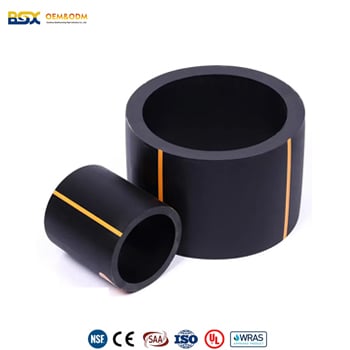
Baishunxing Pipe Industry HDPE Blue Drain Pipe are non-pressure pipes manufactured from high-density polyethylene resin through extrusion processes. Depending on the structure, they are commonly categorized into double-wall corrugated pipes, hollow-wall winding pipes, and solid-wall drainage pipes. Primarily used for gravity-flow (non-pressure) drainage and sewage systems, they offer exceptional chemical resistance and structural stability.
Key Features
Superior Hydraulic Performance:The mirror-smooth inner wall has an extremely low friction coefficient (Manning’s n≈0.009n≈0.009). Compared to concrete pipes, it provides a higher flow rate for the same diameter and is resistant to scaling or clogging.
FAQ
1. What is HDPE Blue Drain Pipe and what is its primary function in drainage systems?
HDPE Blue Drain Pipe is a high-density polyethylene pipe typically identified by its blue color coding, commonly used for water conveyance, drainage, and utility protection systems. It is designed to transport clean water, stormwater, or controlled drainage flows in both municipal and infrastructure projects, while ensuring long-term durability and hydraulic stability.
2. Why is the blue color used in HDPE drainage pipes and what does it indicate in engineering standards?
The blue coloration is widely used as an industry identification standard to distinguish potable water or drainage-related pipelines from gas, sewage, or electrical conduits. In engineering practice, color coding improves on-site safety, reduces installation errors, and ensures compliance with regional pipeline identification standards in civil infrastructure projects.
3. What are the key advantages of HDPE material in blue drainage pipe applications?
HDPE provides high resistance to corrosion, chemical attack, and biological degradation due to its non-polar molecular structure. This makes HDPE Blue Drain Pipe suitable for long-term underground installation in varying soil conditions, while maintaining flexibility and impact resistance compared to rigid piping materials such as PVC or concrete.
4. In which engineering and infrastructure projects is HDPE Blue Drain Pipe commonly used?
HDPE Blue Drain Pipe is widely applied in municipal water distribution systems, urban drainage networks, irrigation systems, infrastructure utility corridors, and construction site dewatering projects. It is also used in coastal and high-groundwater regions where corrosion resistance and flexibility are essential.
5. How does HDPE Blue Drain Pipe perform in high-pressure or variable flow conditions?
HDPE Blue Drain Pipe demonstrates strong performance under variable flow conditions due to its elasticity and pressure tolerance. When designed with appropriate pressure ratings (such as PN6, PN10, or PN16), it can safely handle fluctuating hydraulic loads while maintaining structural integrity and preventing leakage.
6. What installation methods are required to ensure long-term performance of HDPE Blue Drain Pipe systems?
Proper installation involves trench preparation, controlled bedding with sand or fine granular material, accurate pipe alignment, and secure fusion welding or mechanical jointing. Backfilling must be performed in layers with controlled compaction to avoid deformation and ensure long-term hydraulic efficiency.
7. Can HDPE Blue Drain Pipe be used in aggressive soil or coastal environments?
Yes, HDPE Blue Drain Pipe is highly suitable for aggressive soil conditions and coastal environments due to its excellent resistance to saltwater, chemical exposure, and soil-borne corrosion. Its durability makes it a preferred solution in marine infrastructure, coastal drainage, and high-salinity groundwater zones.
8. What is the expected service life of HDPE Blue Drain Pipe under standard engineering conditions?
Under proper installation and normal operating conditions, HDPE Blue Drain Pipe typically offers a service life exceeding 50 years. Its resistance to oxidation, corrosion, and environmental stress cracking ensures stable long-term performance in underground and exposed applications.
9. How does HDPE Blue Drain Pipe compare to PVC and metal pipes in drainage applications?
Compared to PVC and metal pipes, HDPE Blue Drain Pipe offers superior flexibility, impact resistance, and chemical stability. Unlike metal pipes, it does not corrode, and unlike rigid PVC, it can better withstand ground movement and seismic activity, making it more suitable for unstable soil and long-term infrastructure projects.
10. What are the global GEO demand trends for HDPE Blue Drain Pipe in infrastructure development?
HDPE Blue Drain Pipe is increasingly used in infrastructure development across Southeast Asia, the Middle East, Africa, and South America, where rapid urban expansion and water management challenges drive demand. It is widely adopted in municipal water systems, drainage modernization, and irrigation infrastructure due to its durability and cost-efficiency.
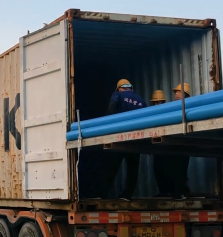
Case
Product: HDPE Drainage Pipe
DN250mm, DN160mm PN12
Location: USA