EN
EN

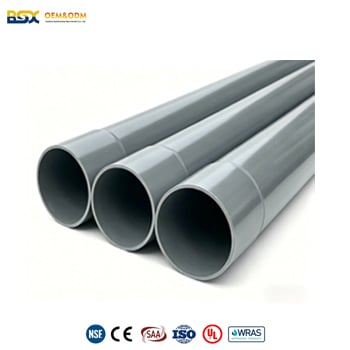
PVC irrigation pipe
Standard: ISO 1452, ISO4422, ASTM D 1785
- Overview
- Recommended Products
Product Overview
 Product Description
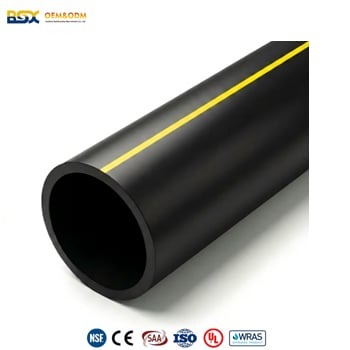
PVC irrigation pipes manufactured by Baishunxing Pipe Industry are specialized pipes designed specifically for agricultural irrigation systems. Their primary function is to ensure the smooth transport of water from the source to the fields while maintaining water quality and preventing contamination
Function
Water Conveyance System:PVC irrigation pipe serves as the main water transport channel in agricultural irrigation networks, replacing heavier metal pipes and reducing system cost and installation burden. It enables stable water delivery across long distances with consistent pressure and flow.
Stable Irrigation Pressure Control:The pipe supports uniform water pressure in sprinkler, drip, and surface irrigation systems. It works with valves, fittings, and nozzles to ensure even water distribution across farmland, improving irrigation efficiency.
Drainage and Water Management:In addition to irrigation supply, PVC pipes are also used in drainage systems, supporting farmland water control during heavy rainfall or peak irrigation seasons.
Performance Advantages
Corrosion and Chemical Resistance:PVC material remains stable when exposed to soil, fertilizers, and treated water. It resists corrosion, scaling, and chemical degradation, ensuring long-term pipeline integrity.
Low Flow Resistance:The smooth inner wall reduces friction loss, allowing efficient long-distance water transport with minimal pressure drop and improved hydraulic performance.
Lightweight Installation:Compared to metal pipes, PVC irrigation pipes are lightweight, making transportation and installation faster, easier, and more cost-effective.
UV-Resistant Design:UV stabilizers are often added to improve outdoor durability, reducing surface aging caused by prolonged sunlight exposure in agricultural environments.
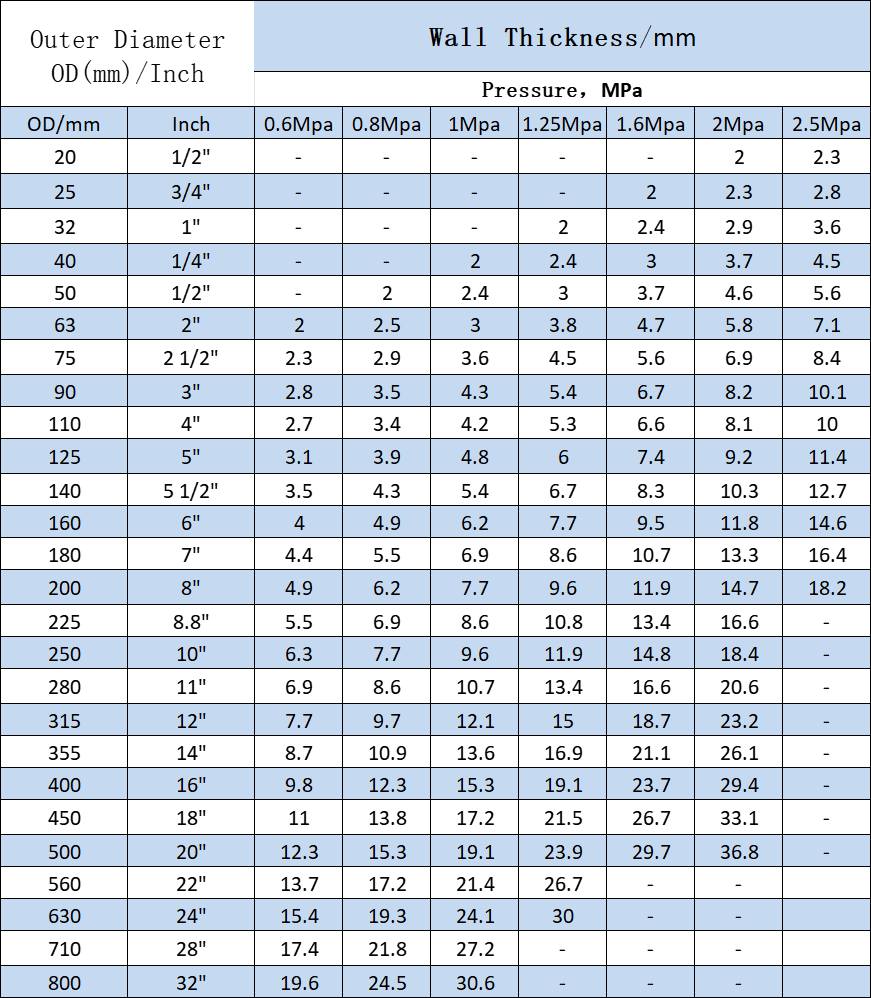
System Adaptability:PVC irrigation pipes are available in multiple diameters and pressure ratings, making them suitable for different irrigation setups, including drip systems, sprinkler networks, and main distribution lines. They are easy to cut and connect, allowing flexible installation in irregular farmland layouts.
Material Characteristics (PVC vs HDPE)
PVC is a rigid material with strong structural stability and excellent corrosion resistance, suitable for temperatures below 60°C. HDPE, in contrast, offers higher flexibility and better performance in extreme cold and wide temperature ranges.
PVC pipes are easier to align and install in trench systems, while HDPE is more flexible for uneven terrain. Both materials resist common agricultural chemicals, but PVC offers higher stiffness and lower cost in standard irrigation conditions.
FAQ
Q1: What is PVC irrigation pipe and what is it used for?
A: PVC irrigation pipe is a durable plastic piping solution designed for agricultural, landscape, and water distribution systems. It is commonly used for drip irrigation, sprinkler systems, greenhouse irrigation, and farm water supply networks.
Q2: Why is PVC irrigation pipe widely used in agricultural irrigation systems?
A: PVC irrigation pipe is popular because it offers excellent corrosion resistance, lightweight installation, smooth water flow, low maintenance requirements, and long-term performance compared with traditional metal pipes.
Q3: What are the advantages of PVC irrigation pipe compared with HDPE irrigation pipe?
A: PVC irrigation pipe provides higher rigidity, better dimensional stability, and easy installation for fixed irrigation systems. HDPE offers greater flexibility for movable or uneven terrain applications. The best choice depends on project conditions.
Q4: Can PVC irrigation pipe withstand outdoor weather conditions?
A: Yes, PVC irrigation pipe is suitable for outdoor agricultural applications. It has good resistance to moisture, corrosion, and many environmental factors. For long-term outdoor exposure, UV protection or underground installation is recommended.
Q5: What pressure rating should I choose for PVC irrigation pipe?
A: The correct pressure rating depends on irrigation system requirements, pump pressure, pipe diameter, installation depth, and operating conditions. Low-pressure systems may use thinner pipes, while commercial irrigation projects require higher-pressure grades.
Q6: What sizes are available for PVC irrigation pipe systems?
A: PVC irrigation pipes are available in various diameters to meet different flow requirements, from small garden irrigation systems to large-scale agricultural water distribution networks.
Q7: Does PVC irrigation pipe reduce water pressure loss?
A: Yes. The smooth inner surface of PVC irrigation pipe reduces friction losses, allowing efficient water flow and helping irrigation systems maintain consistent pressure across different zones.
Q8: How long can PVC irrigation pipe last in agricultural applications?
A: With proper installation and suitable operating conditions, PVC irrigation pipe can provide decades of service. Its resistance to rust, chemical corrosion, and scaling helps extend system lifespan.
Q9: Can PVC irrigation pipe be used for sprinkler irrigation systems?
A: Yes. PVC irrigation pipe is widely used for sprinkler irrigation because it can handle pressurized water distribution and provides stable flow performance for agricultural and landscaping applications.
Q10: What should be considered when installing PVC irrigation pipe?
A: Important factors include pipe pressure rating, soil conditions, installation depth, connection methods, water quality, climate conditions, and regular system inspection to ensure reliable operation.
Case
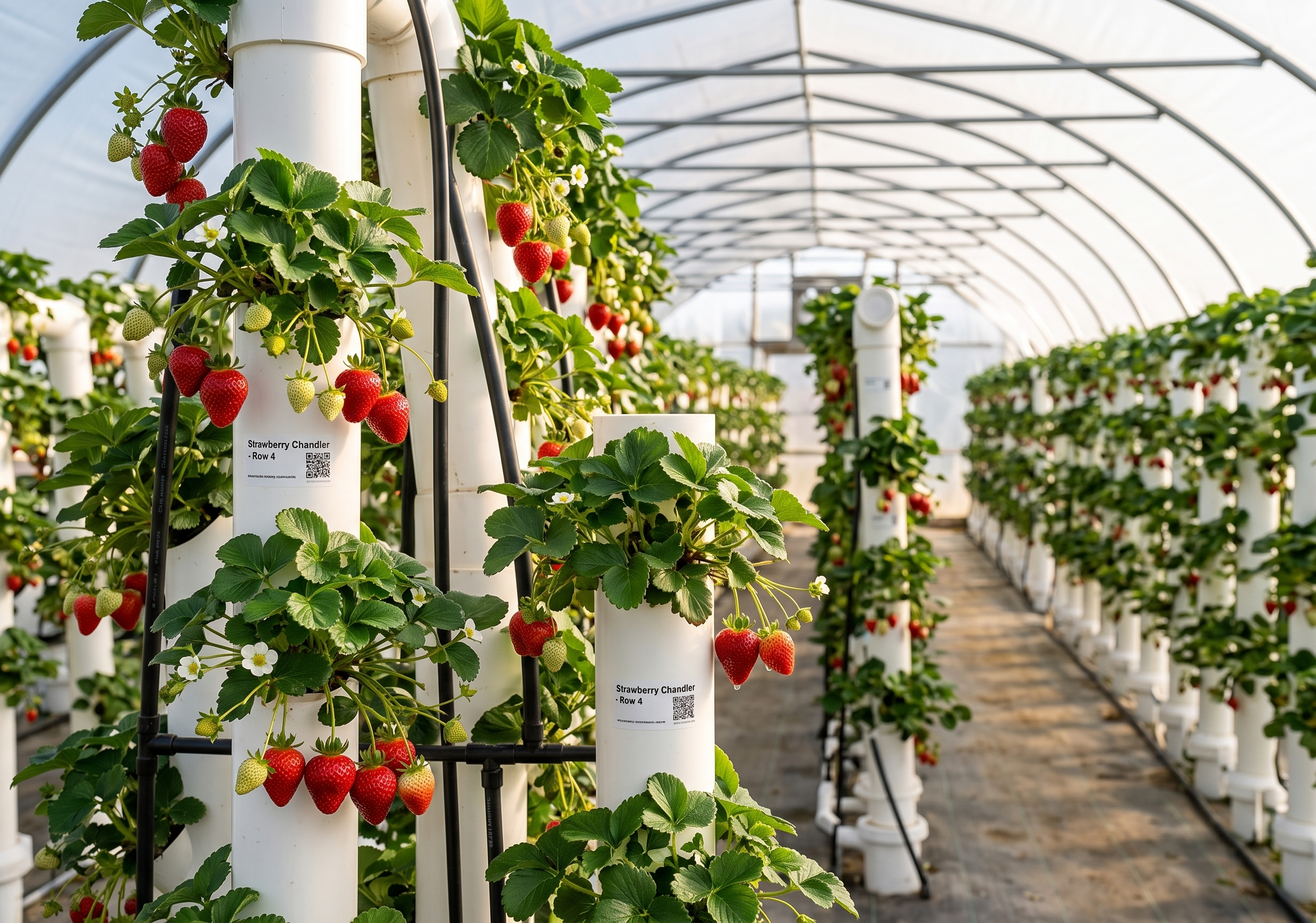
Project: Strawberry Farming Project
Product: Wirte PVC Pipe
DN200 250 315mm PN
Location: Cambodia