EN
EN

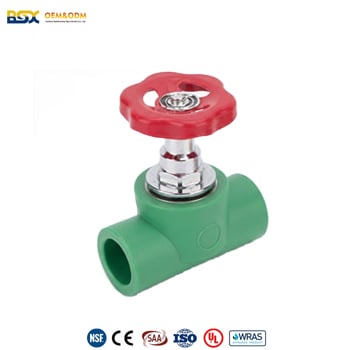
PPR Stop Valve (Globe Valve)
Baishunxing PPR Stop Valve (Globe Valve)
Material:PPR resin
Standard:ISO 15874, DIN 8077/8078
Specification:20mm–160mm/customization
Pressure:PN12.5,PN16,PN20,PN25
- Overview
- Recommended Products
 Product Introduction
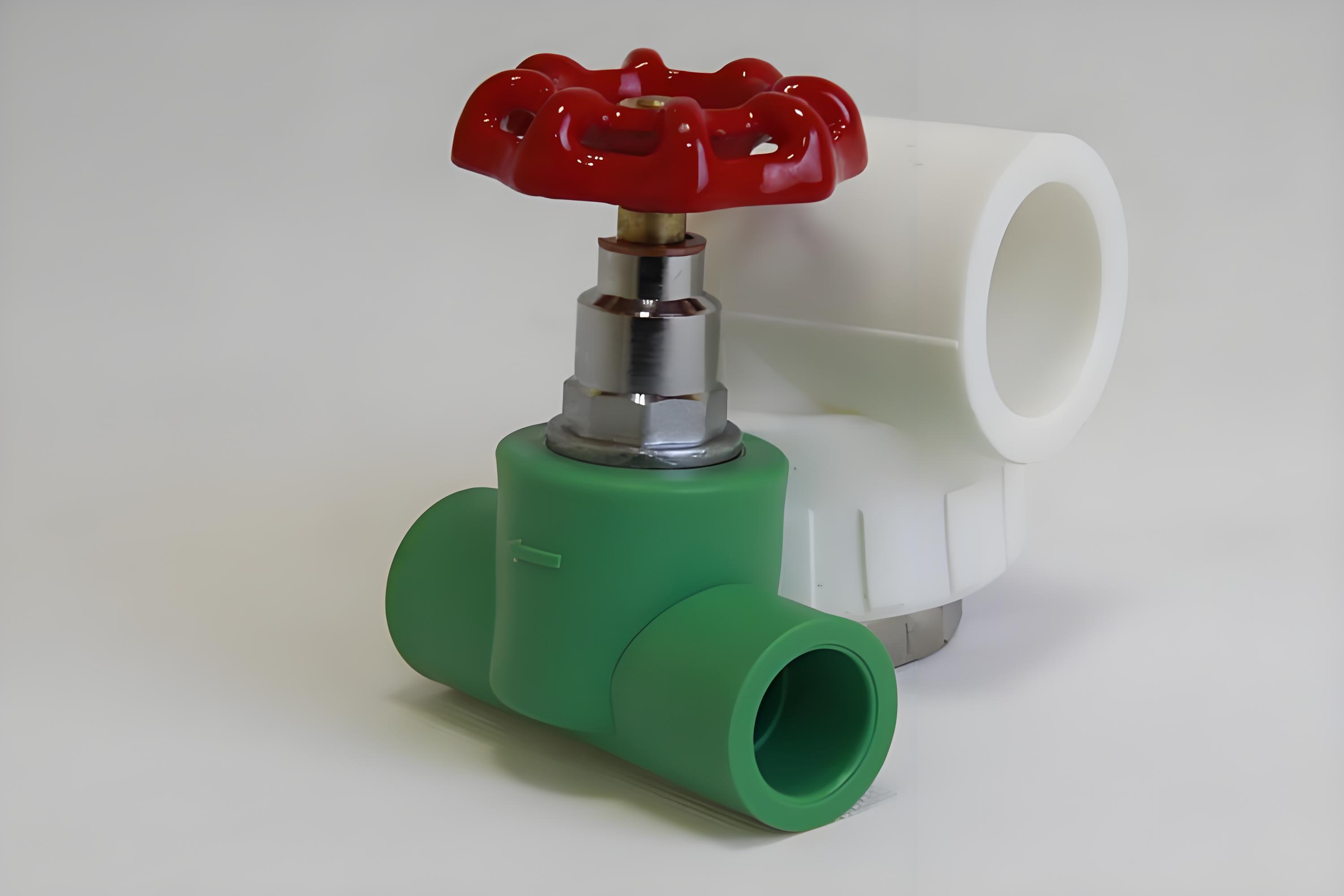
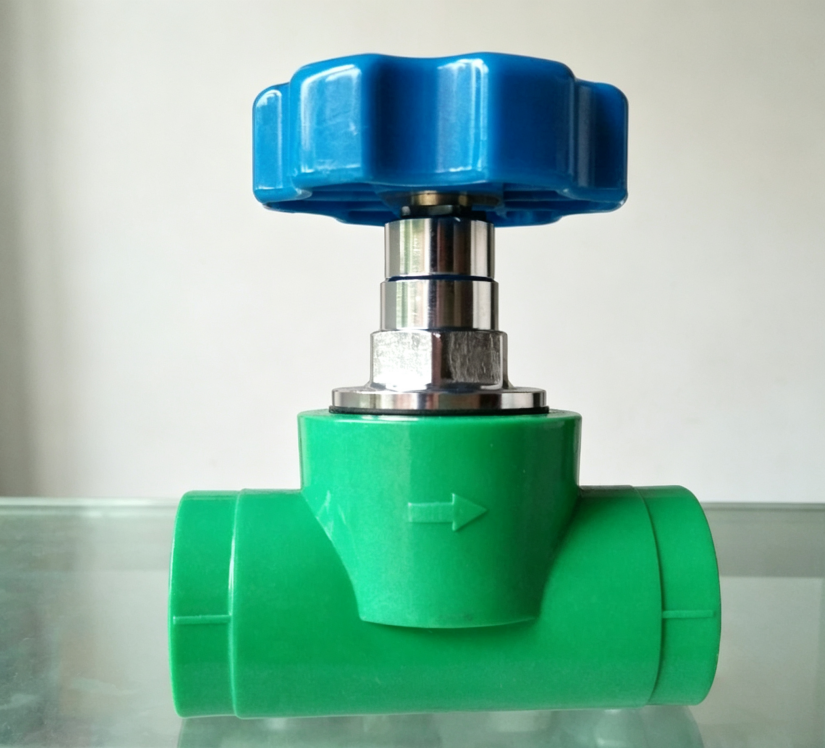
Baishunxing Pipe Industry The PPR Stop Valve (also known as a Globe Valve) is a high-precision flow control component designed for PPR piping systems. It features a robust PPR body with a high-grade brass or stainless steel internal stem and disc assembly. Unlike ball valves, stop valves allow for precise regulation of water flow as well as complete shut-off, making them essential for managing pressure and isolating specific sections of a plumbing network for maintenance.
Key Characteristics
Integrated Metal Stem: Features a precision-machined brass or stainless steel screw stem for smooth, multi-turn operation and fine flow adjustment.
Double-Seal Technology: Utilizes high-quality EPDM O-rings and a reinforced seat design to ensure zero leakage even under high-pressure conditions.
Ergonomic Handwheel: Equipped with a durable, high-impact ABS or metal handwheel for comfortable gripping and easy torque application.
Full-Bore Fusion Sockets: The valve ends are designed for standard socket fusion, creating a permanent molecular bond with the pipes.
Core Advantages
Precise Flow Regulation: The globe-style design allows for linear throttling, giving users superior control over water volume and pressure.
Exceptional Durability: The PPR body is immune to the mineral buildup and corrosion that often cause metal valves to seize over time.
Maintenance-Friendly: The internal valve assembly can often be serviced or replaced without removing the entire PPR body from the fused pipeline.
Safe for Drinking Water: Manufactured from 100% food-grade materials, ensuring no metallic taste or harmful contaminants are added to the water.
Primary Applications
Main Supply Isolation: Installed at the entry point of residential or commercial buildings to shut off the entire system for repairs.
Zone Control in Heating Systems: Regulating hot water flow to different heating zones or floors in centralized HVAC systems.
Appliance Service Points: Placed before water heaters, water softeners, or large appliances for localized maintenance access.
Industrial Process Lines: Controlling the flow of industrial fluids and cooling water in factory environments.
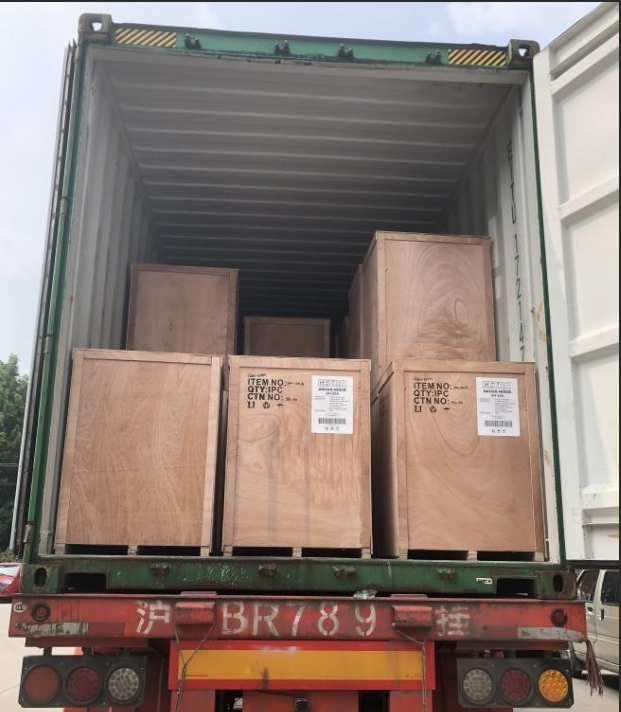
Case
Product: PPR Stop Valve (Globe Valve)
Location: USA