EN
EN

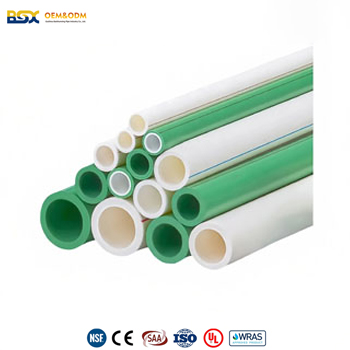
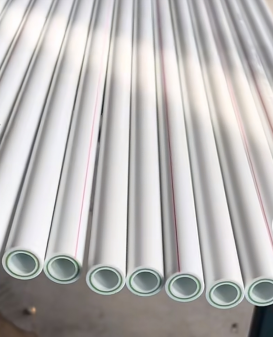
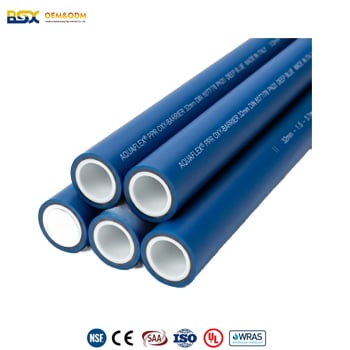
PPR Pipe
BSX PPR Pipe
Raw material: PPR resin
Standard: ISO 15874/DIN 8077/DIN 8078/ASTM F2389
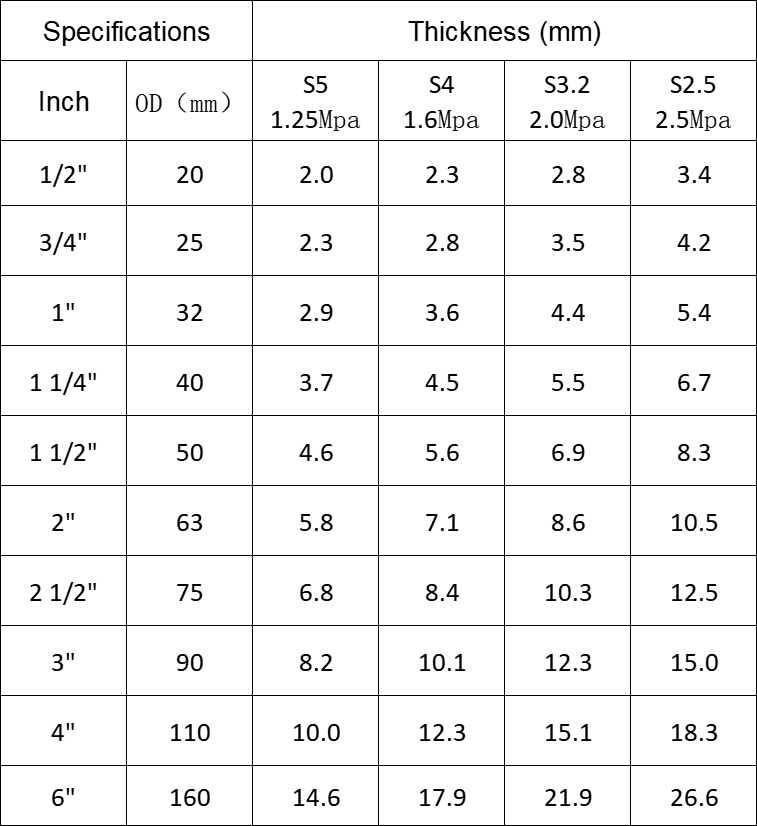
Size: DN20-160mm/customized
Pressure: PN12.5 (S5), PN16 (S4), PN20 (S3.2), PN25 (S2.5)
- Overview
- Recommended Products
 Product Introduction
Baishunxing Pipe Industry Pipe Industry PPR (Polypropylene Random Copolymer) Pipe is the most reliable solution for modern residential and industrial plumbing. Known for its exceptional thermal stability and corrosion resistance, it ensures a safe and long-lasting water supply for 50+ years.
Key Features
High Temperature Resistance
Maintains structural integrity at working temperatures up to 70°C, with peak emergency temperatures up to 95°C.
Superior Durability
Designed for a 50-year service life under standard pressure and temperature conditions.
Leak-Proof Jointing
Joints are fused via heat fusion welding, creating a homogeneous, permanent bond stronger than the pipe itself.
Hygienic & Eco-Friendly
Non-toxic and food-grade material; does not affect water taste or quality, and is fully recyclable.
Technical Advantages
Low Thermal Conductivity
Thermal conductivity is only 1/200th of metal pipes, significantly reducing heat loss in hot water systems.
Smooth Inner Surface
Minimizes friction loss and prevents mineral buildup, ensuring consistent flow rates over time.
Corrosion & Chemical Resistance
Resistant to most chemical substances and electrochemical corrosion common in construction.
Application Scenarios
Residential Plumbing : Portable cold and hot water supply in houses, apartments, and offices.
Industrial Networks : Transportation of compressed air and chemical fluids.
Heating Systems: Connection for radiators, floor heating, and central heating.
Agricultural Irrigation : High-pressure irrigation for farms and greenhouses.
FAQ
1. What is PPR pipe?
PPR stands for Polypropylene Random Copolymer. It's a plastic pipe used mainly for hot and cold water plumbing inside buildings — supply lines, heating systems, and sometimes compressed air.
2. Can PPR pipe handle hot water?
Yes, that's one of its main advantages over PVC. PPR pipe is rated for continuous hot water use, typically up to around 70-95°C depending on the pressure class (PN rating) — check the specific PN rating for your hot water temperature and pressure needs.
3. How is PPR pipe joined — can it be glued like PVC?
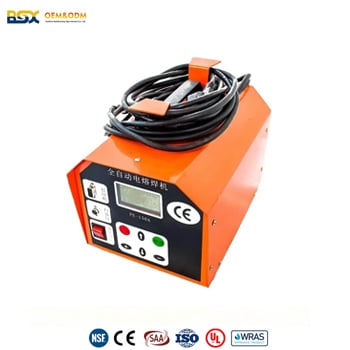
No, PPR is not glued. It's joined by heat fusion (socket fusion) — heating the pipe end and fitting with a special tool, then pressing them together to melt-bond into one solid joint. This is different from PVC's solvent-cement gluing method.
4. What does the PN rating on PPR pipe mean?
PN stands for "pressure nominal," the pipe's rated working pressure in bar at a reference temperature (usually 20°C). Higher PN means a thicker wall and higher pressure rating — but rated pressure drops as water temperature increases, so always check the pressure-temperature chart, not just the PN number alone.
5. Is PPR pipe safe for drinking water?
Yes, PPR is widely used for potable water plumbing and doesn't leach harmful chemicals like some older pipe materials. Look for pipe certified to relevant drinking water standards (such as NSF/ANSI 61 or your local equivalent) to confirm it's rated for potable use.
6. PPR vs PVC — which is better for plumbing?
PPR handles hot water and heat-fused joints better, making it more common for hot water lines and heating systems. PVC is often cheaper and easier to install with solvent cement, but isn't rated for hot water — the right choice depends on whether the line carries hot water.
7. PPR vs PEX — what's the difference?
PPR pipe is rigid and joined by heat fusion, creating permanent, leak-resistant joints in fixed runs. PEX is flexible, joined with crimp or push-fit fittings, and easier to snake through tight spaces — PEX is often preferred for renovations, PPR for new rigid plumbing runs.
8. Does PPR pipe work for solar water heating or floor heating systems?
Yes, PPR is commonly used in solar water heater plumbing and radiant floor heating systems because it tolerates sustained warm-to-hot water well. Confirm the specific PN/temperature rating matches your system's expected operating temperature.
9. Can PPR pipe be used outdoors or exposed to sunlight?
Not for long-term exposure — PPR degrades under UV light over time unless specifically UV-stabilized or covered. It's best suited to indoor plumbing or buried/protected outdoor runs.
10. How long does PPR pipe last?
Properly installed PPR pipe is typically rated for 50 years under normal water pressure and temperature conditions. Real-world lifespan depends on staying within the rated pressure-temperature range and correct fusion joint quality during installation.
Case
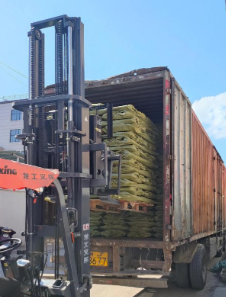
Product: PPR
PN16 50*5.6mm
Location: US