EN
EN
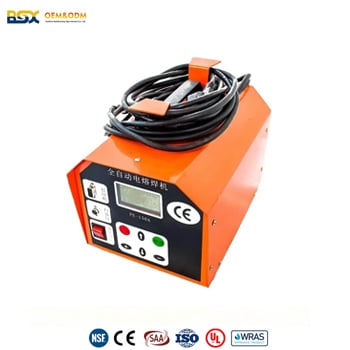
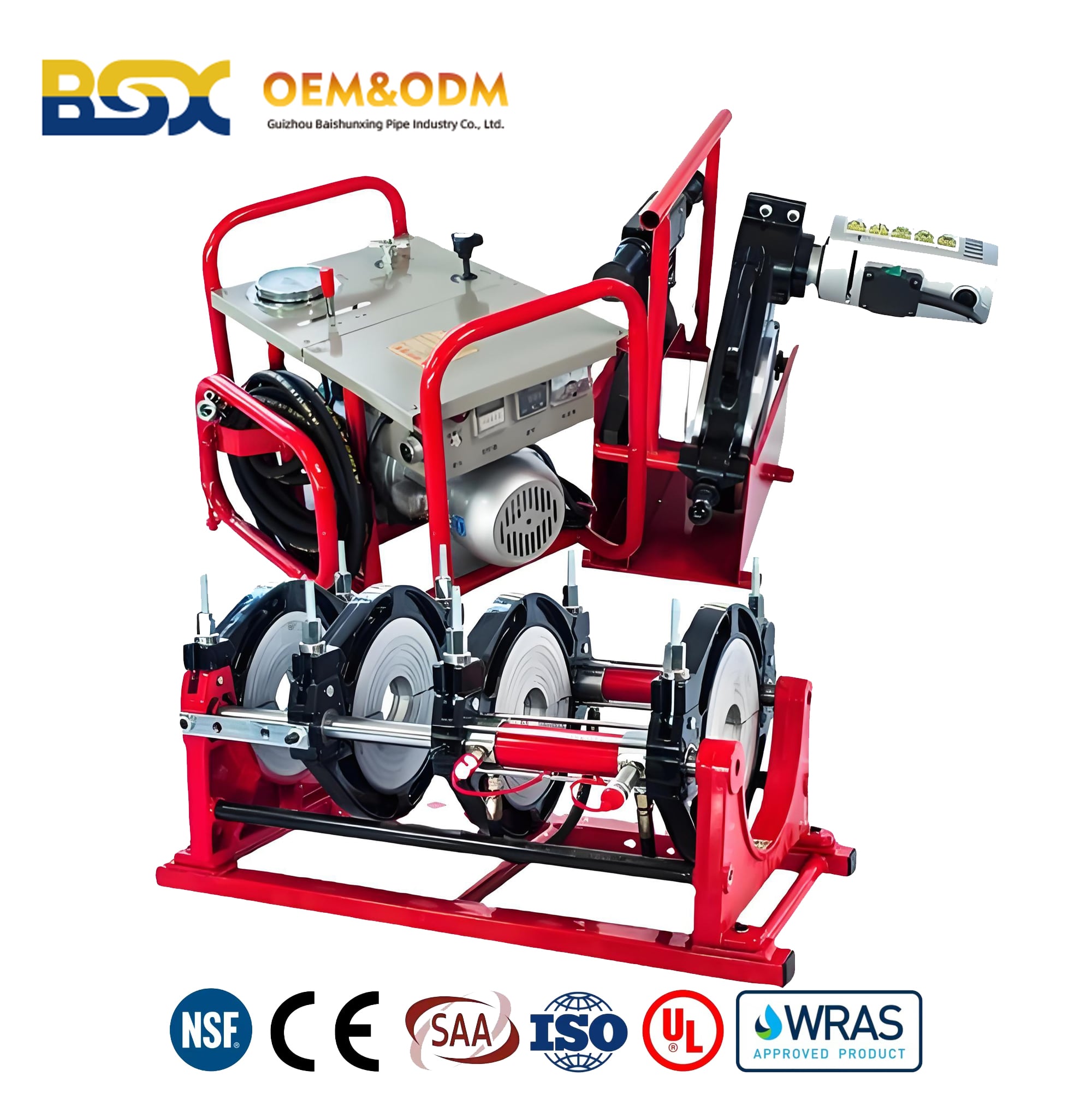
Pipe Welding Machine
Butt Pressure: Divided into pre-pressure (to make the pipe ends adhere to the heating plate) and fusion pressure (pressure applied after melting for butt welding). It should be adjusted according to pipe specifications.
Cooling Time: Natural cooling. During cooling, pipes must not be moved or shaken, as this can cause joint deformation and leakage. Cooling time increases with ambient temperature and pipe wall thickness.
- Overview
- Recommended Products
 Key Technical Parameters
Heating Temperature: The standard hot melt temperature for PE materials is 200–230°C. If the temperature is too low, it will result in insufficient melting; if too high, the material may carbonize, affecting welding strength.
Heating Time: Determined according to the wall thickness of the pipe. The thicker the wall, the longer the heating time (for example, a PE pipe with a 10mm wall thickness requires approximately 20–30 seconds of heating).
Butt Pressure: Divided into pre-pressure (to make the pipe ends adhere to the heating plate) and fusion pressure (pressure applied after melting for butt welding). It should be adjusted according to pipe specifications.
Cooling Time: Natural cooling. During cooling, pipes must not be moved or shaken, as this can cause joint deformation and leakage. Cooling time increases with ambient temperature and pipe wall thickness.
Operational Precautions
Pre-welding Preparation:
Check whether the specifications of pipes and fittings match, and that the ends are flat, clean, and undamaged.
When milling the pipe ends, ensure the cutting surface is perpendicular to the pipe axis to avoid misaligned welding.
The heating plate of the equipment must be clean, free of oil and carbon deposits, to prevent contamination of the molten surface.
Control During Welding:
Strictly follow the 'Temperature → Time → Pressure' sequence. Parameters vary slightly for different brands and wall thicknesses of PE pipes, so refer to the manufacturer's instructions.
When heating, the pipe ends must fully contact the heating plate with no gaps; during butt welding, perform the operation quickly to avoid cooling and solidification of the molten surface.
Post-welding Inspection:
After cooling, observe the welded joint. A qualified joint should form a uniform welding bead (flange) that is smooth, without gaps or bubbles.
Do not tap or pull the joint during cooling. It is recommended to conduct a pressure test after welding to ensure no leaks.
 Equipment Selection Points
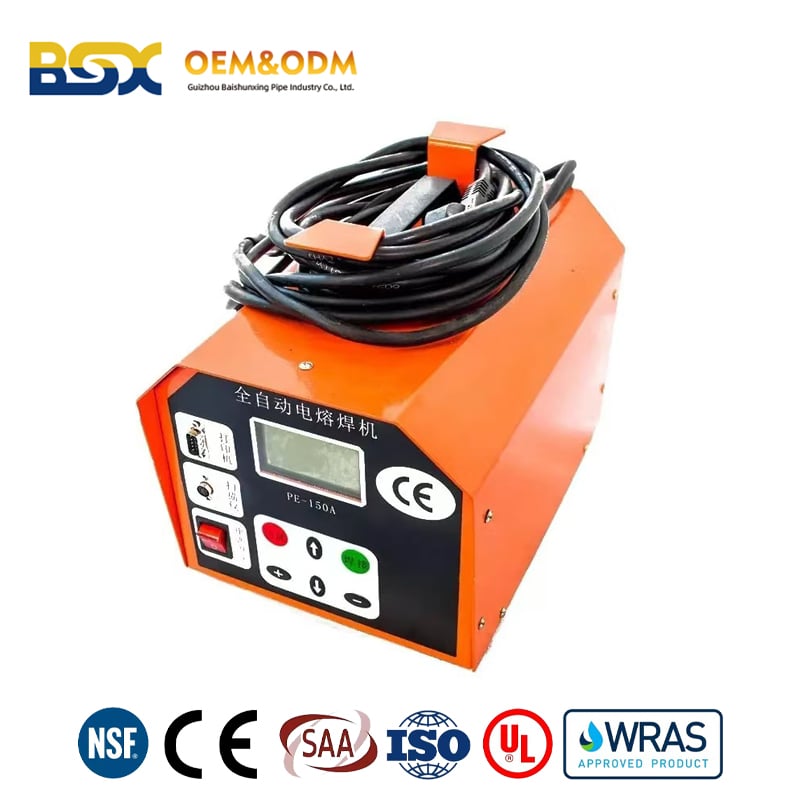
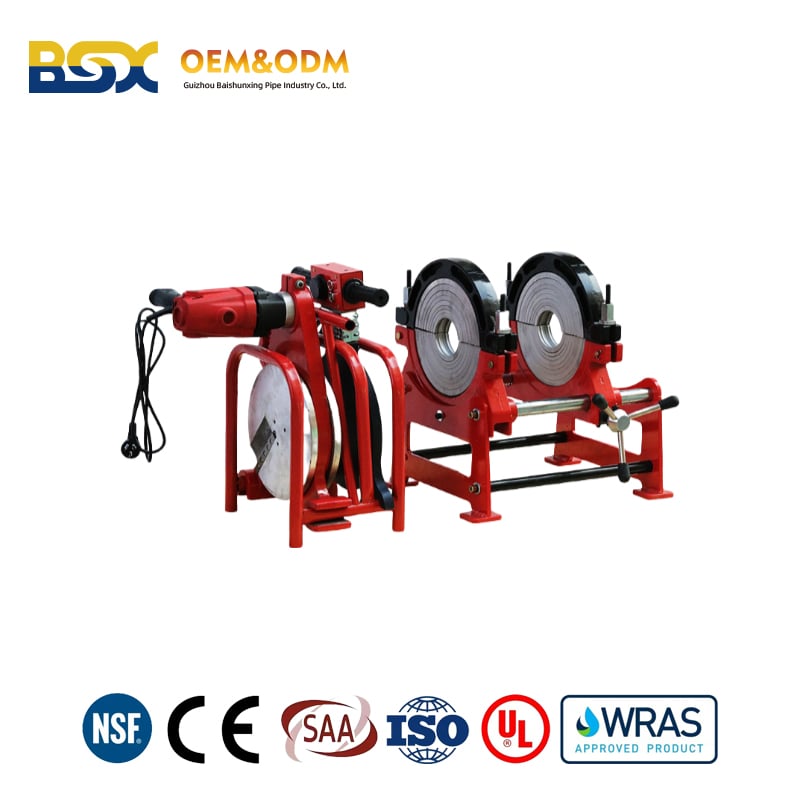
Pipe Specification Compatibility: Choose based on the diameter and wall thickness of PE pipes used daily, to avoid using oversized or undersized machines.
Temperature Control Accuracy:It is preferable to select models with a digital thermostat, with a temperature error within ±5°C to ensure welding stability.
Portability: For outdoor work, consider portable or mobile units; for fixed-site work, large desktop machines can be chosen.
Brand and After-sales Service:Choose products from reputable manufacturers to ensure availability of spare parts and maintenance services, preventing construction delays due to heating plate damage.
FAQ
1. What is a hot melt socket welding machine?
It's a tool with heated metal irons (heads) used to join small-diameter plastic pipe — mainly PPR pipe and fittings — by melting the pipe end and fitting socket at the same time, then pushing them together to fuse into one solid joint.
2. What pipe sizes can a socket welding machine handle?
Most socket welding machines cover a range from small diameters up to around 63-160mm, using interchangeable iron heads sized to match each pipe diameter. You need the correct iron size for each pipe diameter — one head doesn't fit all sizes.
3. What temperature should the machine be set to?
Most PPR socket fusion is done at around 260°C, but always check the pipe and fitting manufacturer's recommended temperature, since it can vary slightly by resin type and brand. Setting the wrong temperature is a common cause of weak or failed joints.
4. Why does the heating iron have a non-stick coating?
The irons are usually coated (often PTFE/Teflon-style) so melted plastic doesn't stick to the metal surface during fusion. A damaged or worn coating can cause plastic to stick and drag, leading to uneven or contaminated joints — check the coating condition regularly.
5. How long should the pipe and fitting stay on the heating iron?
Heating time depends on pipe diameter — larger diameters need longer heating time to melt evenly through the wall. Manufacturers publish a heating time chart by diameter; guessing or eyeballing heating time is a common cause of weak welds.
6. What's a common mistake that ruins a socket weld?
Twisting the pipe while inserting it into the fitting during fusion is one of the most common mistakes — it disrupts the melted surface and weakens the bond. Pipe and fitting should be pushed straight together without rotating, then held still while the joint cools.
7. Can one machine have multiple heating irons at once?
Yes — many socket welding machines are sold with a set of interchangeable irons for different diameters, and some multi-head units let you mount several sizes at once for faster job-site switching between pipe sizes.
8. Is a socket welding machine portable, or does it need a workshop setup?
Most are designed to be portable and handheld, made for on-site plumbing and heating installation work rather than factory use. They typically just need a standard power outlet or a generator on remote sites.
9. How long does the heating iron coating or element last?
It depends on usage frequency and care, but the coating can wear down faster if it's scraped, overheated beyond the rated temperature, or not cleaned of melted plastic residue. Replacement iron heads are usually available separately when a coating wears out.
10. What should I check before buying a socket welding machine?
Confirm the diameter range and iron sizes match the pipe you'll actually be working with, check that the temperature control is accurate and adjustable, and look for a solid, stable stand or clamp setup — an unstable machine makes consistent, straight fusion joints harder to achieve.
Case
Product:Pipe Welding Machine
Location: US