EN
EN

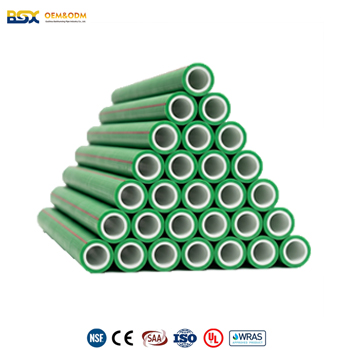
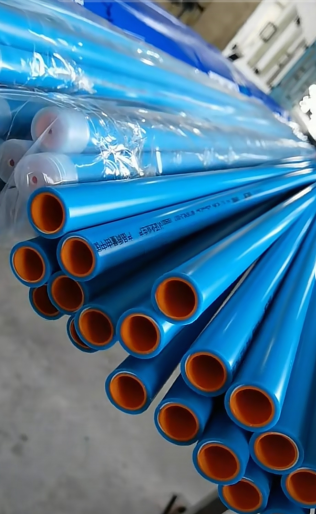
PPR Antibacterial Pipe
BSX PPR Antibacterial Pipe
Raw material: PPR resin
Standard: ISO15874/DIN 8077/8078
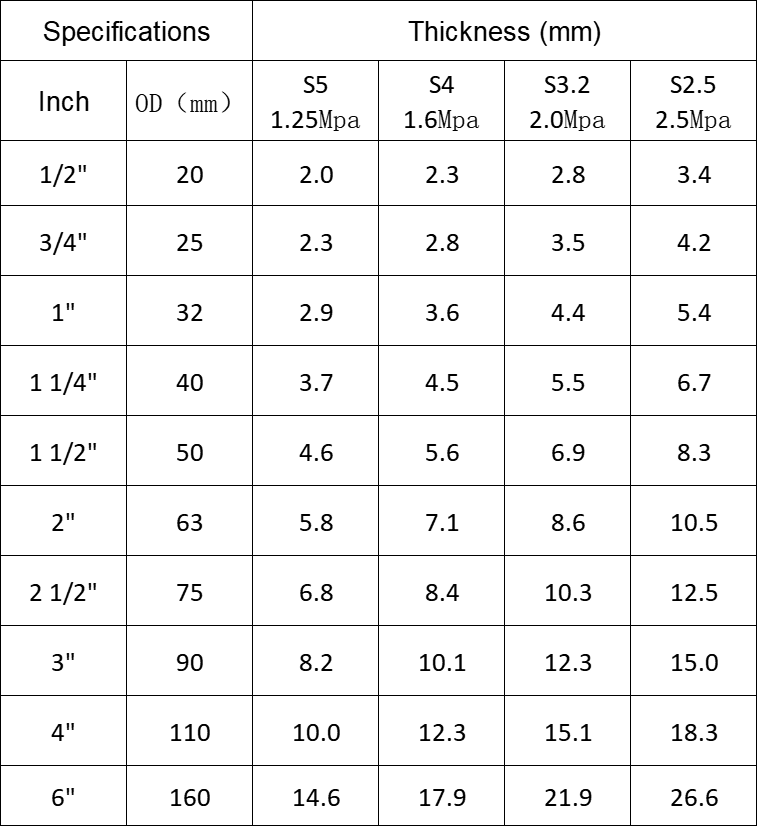
Size: DN20-110mm/customized
Pressure: PN16 (S4), PN20 (S3.2), PN25 (S2.5)
- Overview
- Recommended Products
 Product Introduction
Baishunxing Pipe Industry Pipe Industry PPR Antibacterial Pipe is a high-end green building material designed for health-conscious water systems. It features a specialized dual-layer structure with an integrated Nano Silver-Ion (Ag+) inner lining. This technology provides active protection by continuously releasing silver ions that destroy the metabolic enzymes of bacteria, ensuring long-term water purity and safety.
Key Characteristics
Nano-Silver Technology: Incorporates premium inorganic antibacterial agents for broad-spectrum protection.
Dual-Layer Co-extrusion: A robust PPR outer layer combined with a functional antibacterial inner layer.
Ultra-Smooth Bore: Extremely low surface roughness prevents the accumulation of scale and impurities.
Heat Fusion Integrity: Creates a seamless, leak-proof system through permanent molecular bonding.
Core Advantages
Superior Antibacterial Performance: Effectively eliminates 99.9% of common bacteria such as E. coli and Staphylococcus aureus.
Health and Safety: Lead-free, non-toxic, and prevents the formation of biological slime inside the pipeline.
Extreme Durability: Resistant to corrosion and high pressure (PN2.5), with a service life exceeding 50 years.
Energy Efficiency: Low thermal conductivity reduces heat loss in hot water applications by up to 20% compared to metal pipes.
Primary Applications
Premium Residential Drinking Water: Ideal for direct drinking water and domestic hot/cold water supply.
Medical and Laboratory Facilities: Suitable for environments with stringent hygiene and microbial control requirements.
Food and Beverage Industry: Safe transportation of purified liquids and food-grade fluids.
Centralized HVAC Systems: High-performance piping for underfloor heating and radiator connections.
FAQ
1. What is PPR antibacterial pipe?
It's PPR pipe made with an antibacterial additive (usually silver ion or nano-silver) built into the pipe material. The additive inhibits bacteria growth on the inner pipe wall, rather than just relying on water treatment alone.
2. How does the antibacterial additive work?
Silver ions released in tiny amounts from the pipe wall disrupt bacterial cell function, which slows or prevents bacteria from colonizing the inner surface of the pipe. It works continuously as part of the pipe material, not as a coating that gets used up quickly.
3. Is the antibacterial additive safe for drinking water?
Reputable antibacterial PPR pipe is tested and certified for potable water use, with silver ion levels kept within safe drinking water limits. Always check for recognized certification (such as NSF/ANSI or local drinking water safety testing) rather than assuming "antibacterial" alone means it's certified safe.
4. Does antibacterial pipe kill all bacteria in the water?
No — it reduces bacterial growth and biofilm buildup on the pipe's inner surface, but it isn't a water treatment or disinfection system. It doesn't replace proper water treatment, filtration, or disinfection where that's required.
5. Where is antibacterial PPR pipe typically used?
It's commonly specified for hospitals, schools, food and beverage facilities, and residential drinking water lines — anywhere reducing biofilm and bacterial buildup in plumbing is a priority. Standard PPR is usually fine for general non-potable or industrial water lines where this isn't a concern.
6. Does the antibacterial effect wear off over time?
The additive is mixed into the pipe material itself, not applied as a surface coating, so it doesn't wash off or wear away the way a coating might. Effectiveness is generally expected to last for the pipe's service life, though you should confirm this with the manufacturer's data.
7. Is antibacterial PPR pipe joined the same way as regular PPR pipe?
Yes — it's installed by heat/socket fusion, the same as standard PPR pipe. The antibacterial additive doesn't change how the pipe is cut, fused, or installed.
8. Does antibacterial pipe cost more than regular PPR pipe?
Yes, typically a bit more due to the added antibacterial material. It's usually chosen for applications where water hygiene is a priority (like hospitals or food facilities) rather than as a default upgrade for every plumbing job.
9. How can I verify a pipe is genuinely antibacterial and not just marketed that way?
Ask for third-party test reports showing an antibacterial rate (often tested against common bacteria strains) and certification from a recognized lab. "Antibacterial" claims without test data or certification should be treated with caution.
10. Does antibacterial PPR pipe need any special maintenance?
No — it's maintained the same way as standard PPR plumbing. The antibacterial property is a built-in material feature, not a system that needs cleaning, recharging, or servicing.
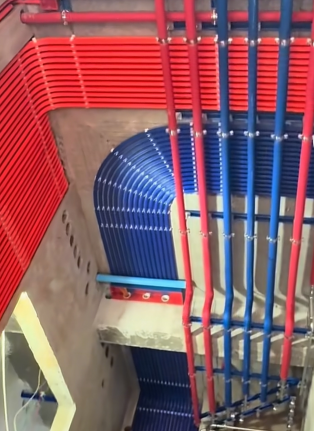
Case
Product:PPR Antibacterial Pipe
PN16 50*5.6mm
Location: US