EN
EN

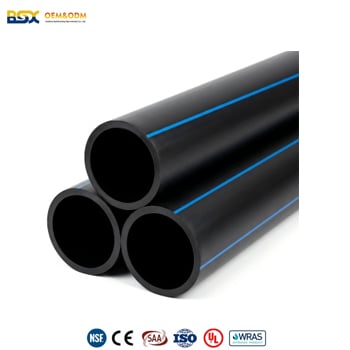
HDPE Irrigation Pipe Product Details
HDPE Irrigation Pipe Product Details
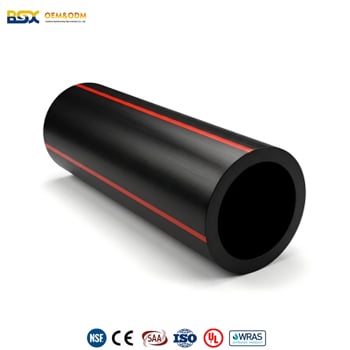
Raw materials: PE100, PE4710, PE100RC
Standard: ISO 4427/EN 12201/S/NZS 4130
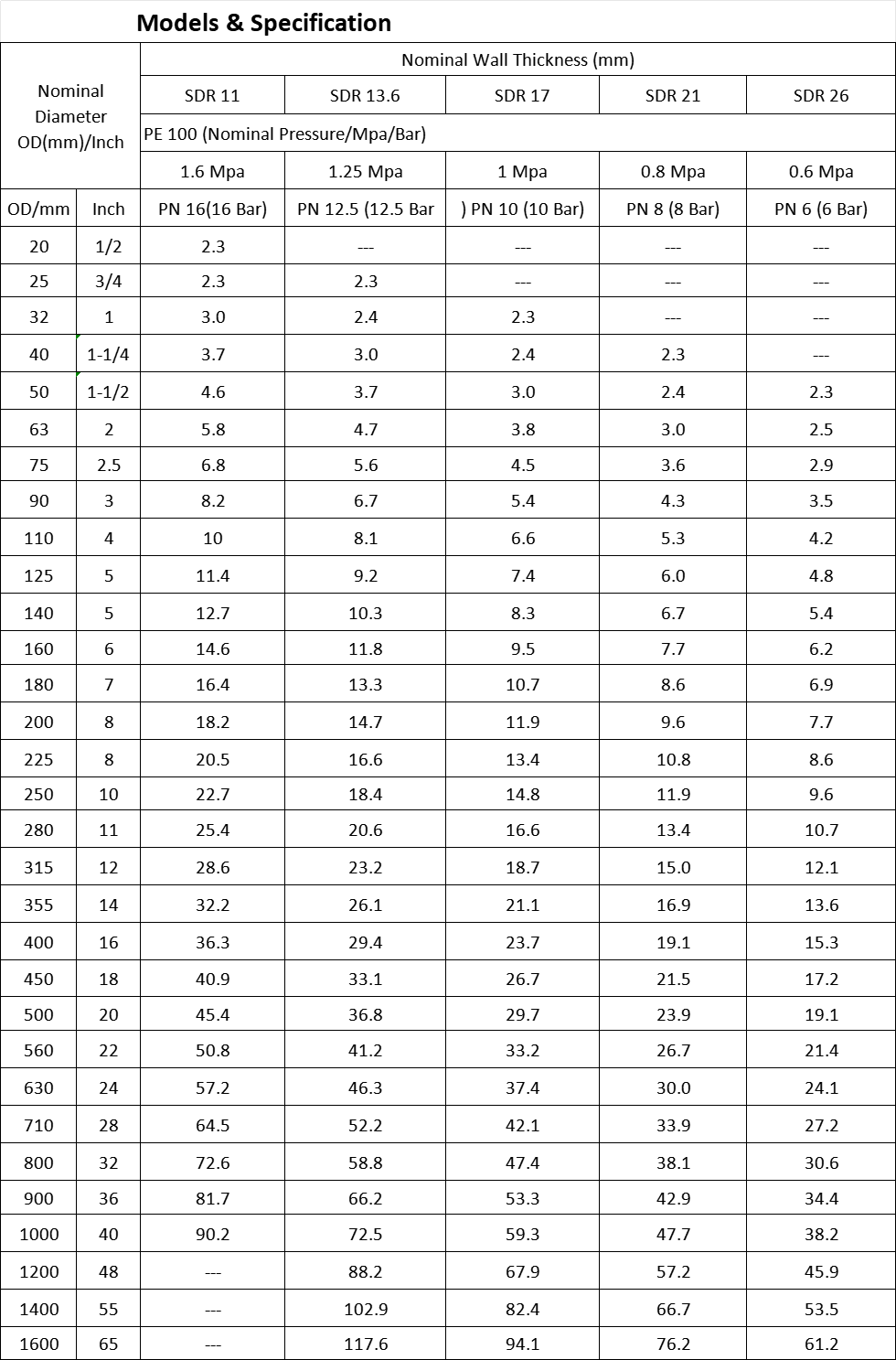
Diameter range: DN20mm-1600mm (1/2-inch to 65inch)
Pressure levels: SDR26, SDR21, SDR17, SDR13.6, SDR11
PN6, PN8, PN10、PN12.5、PN16
Certification: UL, WRAS, NSF, ISO, CE
Length: 5.8 meters (20 feet), 11.8-12 meters//L40 feet
- Overview
- Recommended Products
 Product Overview
Baishunxing Pipe Industry HDPE Irrigation Pipes are high-performance pipes specifically designed for modern water-saving agricultural irrigation. Manufactured from high-quality high-density polyethylene resin, they offer excellent weather resistance and flexibility, serving as the core component for drip irrigation, sprinkler systems, and various farmland water conservancy projects.
Key Features
Superior UV Resistance: Designed for long-term outdoor exposure, the pipes contain high-performance anti-aging additives that resist intense sunlight and prevent material degradation.
Excellent Chemical Resistance: Resistant to erosion from fertilizers, pesticides, and various acid-base chemical media commonly used in agriculture, making them ideal for "fertigation" (integrated fertilizer and water) systems.
Outstanding Flexibility: The pipes feature excellent flexibility, allowing them to be laid along rugged and uneven field terrains, thereby reducing the need for pipe fittings (elbows).
Smooth Inner Wall & Scale-free:The extremely low friction coefficient prevents the growth of algae or the accumulation of impurities, ensuring the long-term stable operation of the irrigation system.
Major Advantages
Significant Water-saving Efficiency:Through a highly sealed connection system, leakage and evaporation losses during transport are eliminated, saving over 50% more water compared to traditional open-channel irrigation.
Easy Installation & High Mobility: Being extremely lightweight, they can be handled by a single person, making them particularly suitable for seasonal assembly/disassembly or temporary irrigation lines that require frequent movement.
Long Service Life & Low Maintenance: Baishunxing HDPE irrigation pipes possess strong impact and wear resistance; whether used on the surface or buried, they have a long service life with minimal need for replacement.
Adaptive to Extreme Climates: Excellent cold resistance and thermal stability allow the pipes to maintain optimal performance in environments ranging from −40∘C−40∘C to 60∘C60∘C.
Typical Applications
Drip & Sprinkler Irrigation: Used as main or lateral lines for orchards, vegetable bases, cotton, and various field crops.
Greenhouse Irrigation:Precision water supply networks for flowers and high-efficiency facility agriculture.
Farmland Drainage:Rapid low-pressure drainage during flood seasons or after heavy rainfall.
Landscape Greening:Automatic irrigation for urban parks, golf courses, and highway greenbelts.
FAQ
1. What is HDPE irrigation pipe used for?
It's used to carry water from a well, pump, or reservoir to fields, orchards, or greenhouses — for drip lines, sprinklers, or main supply lines. It's popular in farming because it's flexible, doesn't rust, and lasts a long time buried or exposed.
2. Can HDPE irrigation pipe be buried underground?
Yes, it's commonly buried below the frost line to protect it from freeze damage and farm equipment. Burial depth depends on your local climate — check regional guidelines for frost depth in your area.
3. Does HDPE irrigation pipe freeze and crack in winter?
HDPE is more flexible than PVC, so it handles some freezing better, but water left inside can still freeze and stress the pipe or fittings. In cold climates, lines are usually drained or buried below frost depth before winter.
4. Can HDPE irrigation pipe be left above ground in the sun?
Yes, but check that it's UV-stabilized (usually black) if it will stay exposed long-term. Non-UV-rated pipe left in direct sun for years can become brittle faster than buried pipe.
5. What pressure can HDPE irrigation pipe handle?
It depends on the pipe's SDR (wall thickness ratio) — a thicker wall means a higher pressure rating. Match the SDR to your pump's actual output pressure, not just the pipe diameter.
6. Is HDPE pipe compatible with fertilizers and chemical fertigation?
Generally yes — HDPE resists most common fertilizers and irrigation chemicals used in fertigation systems. Always check compatibility for specific concentrated chemicals or unusual additives with your supplier.
7. Can HDPE irrigation pipe connect to PVC pipe or drip fittings?
Yes, using the correct transition fittings or compression couplings. Don't glue HDPE like PVC — it needs mechanical fittings, compression fittings, or fusion, not solvent cement.
8. Is HDPE pipe better than PVC for irrigation?
HDPE is more flexible, handles ground movement and minor freezing better, and comes in long coiled lengths with fewer joints. PVC is rigid, often cheaper for straight aboveground runs, and easier to glue on-site — the better choice depends on your layout and budget.
9. Does HDPE irrigation pipe come in coils or straight lengths?
Both — smaller diameters are usually supplied in coils for easy transport and fewer joints across long field runs, while larger diameters are typically supplied in straight lengths and joined by fusion.
10. How long does HDPE irrigation pipe last?
With correct installation, it's typically rated for decades of service. Real-world lifespan depends on UV exposure if left above ground, staying within the rated pressure, and protection from equipment damage during field work.
Case
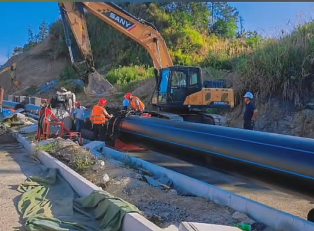
Product:HDPE Irrigation Pipe Product Details
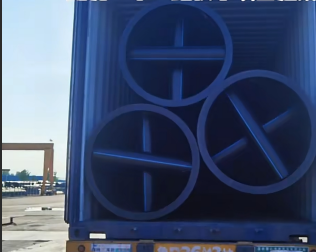
Item : DN 1600mm SDR 17
Location: Indonesia