EN
EN
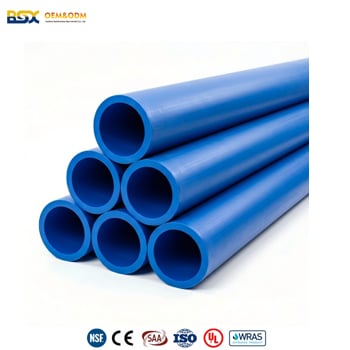
HDPE Mining Pipe
HDPE Mining Pipe
Raw materials: PE100, PE100RC
Standard: ISO4437/BS EN 1555
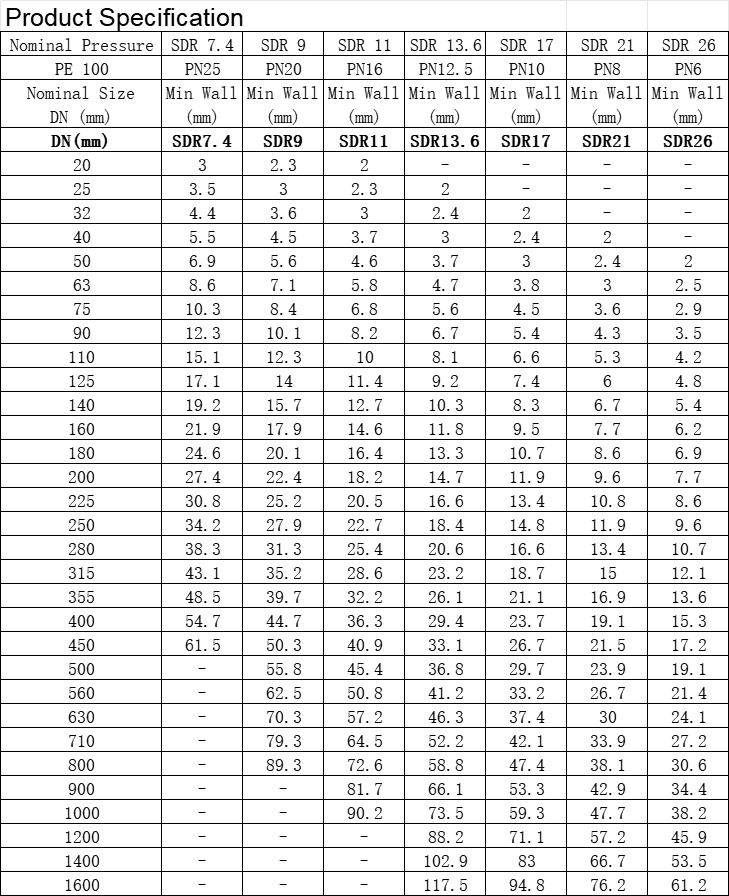
Diameter: 20mm -1600mm
Pressure level: SDR17, SDR11
Certification: UL, WRAS, NSF, ISO, CE
Length: 5.8 meters (20 feet), 11.8-12 meters/L40 feet
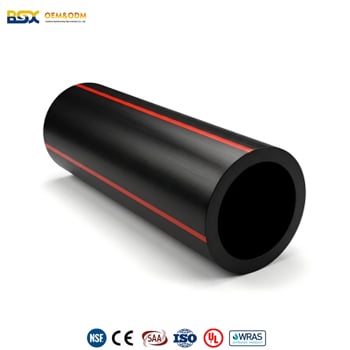
Color: Black with red stripes.
- Overview
- Recommended Products
 Product Overview
Baishunxing Pipe Industry HDPE Mining Pipes are high-performance pipes specifically developed for coal, metal, and non-metal mines. Manufactured from premium HDPE resin modified with anti-static and flame-retardant additives, these pipes are designed to handle extreme underground environments with high gas and dust levels. They are widely used for mine drainage, ventilation, gas drainage, and shotcrete application.
Key Features
Double Resistance (Flame Retardant & Anti-static): Both flame-retardant and anti-static properties meet national safety standards, effectively preventing static accumulation and flame spread to ensure underground operational safety.
Superior Wear Resistance: The wear resistance is 4 to 8 times that of steel pipes, making them ideal for transporting ore slurry, tailings, or sand containing solid particles.
Excellent Corrosion Resistance: Resistant to long-term erosion from acidic or alkaline mine water; non-rusting and non-corrosive, requiring no anti-corrosion treatments.
High Pressure Capacity:Excellent ring stiffness and impact resistance allow the pipes to withstand complex underground stress and blasting impacts.
Major Advantages
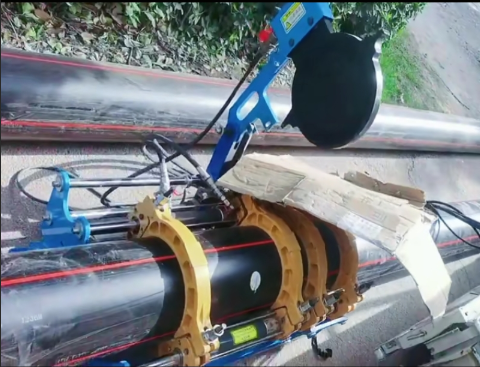
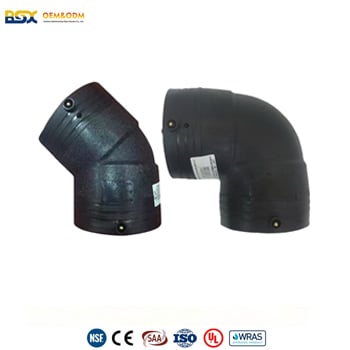
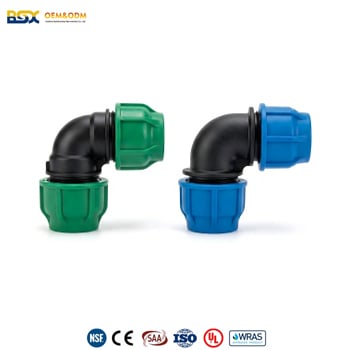
Extremely Easy Installation: Lightweight design (only 1/8 the weight of steel pipes) makes handling easy and significantly reduces labor intensity for underground workers. Supports flange, heat fusion, or quick connections for high construction efficiency.
Stable Transport Capacity:The smooth inner wall with an extremely low friction coefficient prevents scaling and algae growth, ensuring the long-term, efficient operation of drainage or ventilation systems.
Long Service Life & Maintenance-free: Designed for a service life of over 50 years in mining environments, reducing the risk of downtime and maintenance costs associated with frequent pipe replacement.
Strong Environmental Adaptability:Maintains stable performance in temperatures ranging from −60∘C−60∘C to 60∘C60∘C, with excellent resistance to geological subsidence.
Typical Applications
Mine Water Supply & Drainage:Main underground drainage lines and water supply.
Gas Drainage: Specifically used for underground gas extraction and transport.
Ventilation Networks: Positive and negative pressure ventilation systems for mines.
Tailings Transport:Long-distance transport of ore slurry and tailings from processing plants.
FAQ
1. What sizes does HDPE mining pipe come in?
HDPE mining pipe is available in a very wide diameter range — from small-diameter pipe used for chemical dosing lines up to large-diameter pipe (1000mm+) used for tailings and process water mains. The right size depends on your required flow rate, not just the line's purpose.
2. What does the PN rating on HDPE pipe mean?
PN stands for "pressure nominal" — it's the pipe's rated working pressure in bar. PN16, for example, means the pipe is rated for 16 bar under standard conditions. Choosing the right PN class (along with SDR) is how you match the pipe to your pump and system pressure.
3. How does HDPE mining pipe compare to steel or rubber-lined pipe?
HDPE is lighter, doesn't corrode, and is easier to relocate as a mine site changes — steel and rubber-lined pipe are heavier and typically need more support and maintenance against rust or lining wear. Steel or lined pipe may still be preferred for extreme abrasion duty or very high pressure, so the choice often comes down to matching pipe type to the specific line's demands.
4. Does HDPE pipe float, and is that useful on a mine site?
Yes — HDPE is less dense than water, so pipe with sealed ends floats. This is actually an advantage for tailings ponds and dredging applications, where floating pipeline is used to move slurry across water without a fixed support structure.
5. What temperature range can HDPE mining pipe handle?
Standard HDPE pipe generally performs well across typical mining site conditions, but it does get more flexible in high heat and stiffer (though not necessarily weaker) in extreme cold. If your site sees very high slurry temperatures or extreme ambient conditions, check the pipe manufacturer's specific temperature rating before installing.
6. Does HDPE pipe expand or contract with temperature changes?
Yes, HDPE has a higher thermal expansion/contraction rate than steel, so long above-ground runs can shift slightly as temperatures change through the day. This is normally managed with expansion loops, proper anchoring, or allowing the pipe some freedom of movement in its layout — it's a design detail, not a defect.
7. Can HDPE mining pipe be moved and reused as the mine expands?
Yes — this is one of the main reasons HDPE is popular in mining. Because it's lightweight and joints can be fusion-welded into long continuous strings, pipeline sections can be dragged, relocated, and reconnected as pit layouts change, unlike rigid steel pipe.
8. What standards or certifications should HDPE mining pipe meet?
Look for compliance with recognized pipe standards such as ISO 4427 or AS/NZS 4130, which set requirements for material grade, dimensions, and pressure ratings. Reputable suppliers will provide test certificates and material traceability — this matters more in mining than in general-purpose piping because failures are costly to access and repair.
9. Is HDPE mining pipe recyclable?
Yes, HDPE is a thermoplastic and can be reprocessed at end of life, which is an advantage over some rubber-lined or composite pipe options that are harder to recycle. Some suppliers also offer take-back or grinding services for decommissioned pipeline.
10. What's the difference between HDPE mining pipe and HDPE gas or water pipe?
The core material can be similar, but mining pipe is typically selected for abrasion resistance, UV exposure (black color, thicker carbon black protection), and rougher handling rather than buried, low-disturbance service. Mining projects also more often need larger diameters, floating configurations, or wear-resistant linings that aren't typical in gas or municipal water pipe.
Case
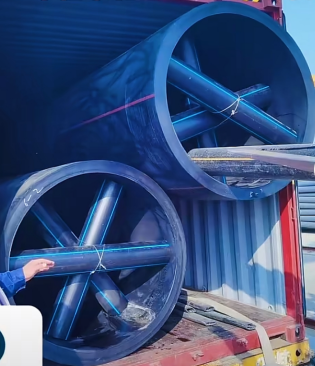
Product: HDPE Mining Pipe
Item : DN 1200mm SDR 15.1
Location: Chile