EN
EN

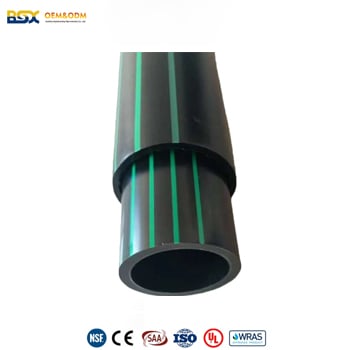
HDPE Double-Layer Petroleum Pipe Details
HDPE Double-Layer Petroleum Pipe Details
Raw materials: PE100, PE100RC
Standard: EN 14125/UL 971/GB/T (Special Standard for Gas Stations)
Diameter: 32mm-160mm
Pressure level: SDR17, SDR11
Certification: UL, WRAS, NSF, ISO, CE, EN 1555
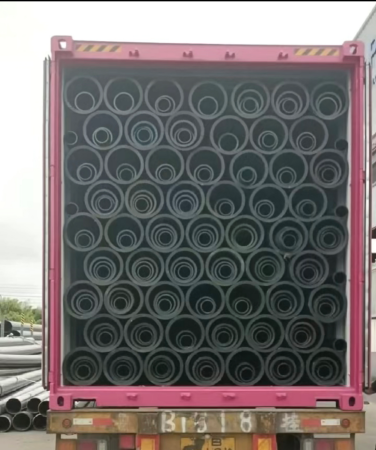
Length: 5.8 meters (20 feet), 11.8-12 meters/L40 feet
Color: Black.
- Overview
- Recommended Products
 Product Overview
Baishunxing HDPE Double-Layer Petroleum Pipes are high-safety, anti-permeation pipelines specifically designed for underground fuel suction and delivery systems in gas stations. The system features a "pipe-in-pipe" structure: the inner pipe (primary pipe) handles fluid transport, while the outer pipe (secondary containment pipe) provides redundant sealing protection. The inner wall typically contains an EVOH resin barrier to prevent fuel permeation and is equipped with anti-static properties, making it the standard for modern gas station construction.
Key Features
Double-Wall Structure: The interstitial space between the inner and outer walls allows for leak monitoring. In case of primary pipe failure, the outer pipe ensures fuel does not leak into the soil.
The inner pipe is lined with an EVOH barrier layer, providing excellent oil resistance and anti-permeation properties to prevent fuel vapor leakage.
Anti-Static Performance:The inner wall is modified with anti-static properties to safely discharge static electricity generated by fuel flow, eliminating the risk of explosion from static sparks.
Corrosion Resistance & Long Life:Both pipes are made of HDPE, offering superior resistance to soil chemicals and all fuel types (gasoline, diesel, ethanol-gasoline), with a service life of 30-50 years.
Major Advantages
Superior Environmental Safety:Complies with strict environmental regulations, completely eliminating soil and groundwater pollution from underground leaks and reducing corporate environmental risks.
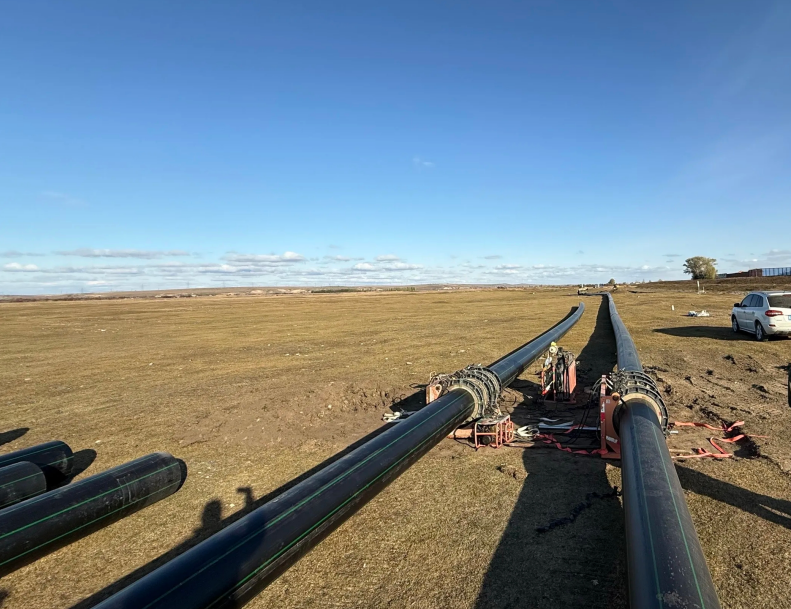
Easy Installation & Fewer Joints:The flexibility allows for curved layouts, significantly reducing the need for elbow fittings. Electrofusion welding ensures high joint strength and efficient installation.
Real-time Online Monitoring: When used with pressure or vacuum monitoring systems, it enables 24-hour automated leak alarms, preventing accidents before they occur.
Low Maintenance Costs: Being non-rusting, scale-free, and reliably connected, the piping system requires virtually no post-installation maintenance.
Typical Applications
Gas Station Fuel Networks: Suction, pressure, and vent lines between underground tanks and dispensers.
Commercial & Industrial Fuel Transport:Fuel supply lines for backup generators and industrial boiler rooms.
Hazardous Chemical Transport: Transport of chemical fluids in labs and chemical plants with strict leak containment requirements.
Aviation & Marine Refueling: Refueling networks for airport runways and docks.
FAQ
1. What is double-layer HDPE petroleum pipe?
It's a pipe-in-pipe system. The inner pipe carries fuel, and the outer HDPE pipe wraps around it as a backup layer. If the inner pipe leaks, fuel stays trapped between the two layers instead of reaching the soil.
2. Why use double-layer pipe instead of single-wall pipe?
Most fuel station codes now require secondary containment for underground fuel lines. Single-wall pipe has no backup if it leaks — double-layer pipe catches the leak before it reaches the ground.
3. How does leak detection work?
The space between the two layers is monitored — usually with a sensor, or by checking for pressure/vacuum loss. This alerts you to a leak in the inner pipe before fuel escapes.
4. Is the outer layer also fuel-resistant?
Not always the same way as the inner layer. The outer pipe mainly provides containment and protection; the inner pipe is the one rated for direct fuel contact. Check the fuel compatibility of both layers with the manufacturer.
5. Can this pipe handle ethanol-blended fuel?
Many double-layer systems are rated for ethanol blends like E10 or E15, but not all. Ethanol can be harder on some plastics than plain gasoline — check the compatibility chart before installing.
6. How is double-layer pipe installed?
The outer layer is fused at joints like standard HDPE pipe, while the inner pipe is joined separately. Fittings and sumps at tank and dispenser connections matter just as much as the pipe itself.
7. What codes apply to this pipe?
Common standards include UL 971 in North America and EN 14125 in Europe, plus local fuel station and environmental codes. Always check what your local authority requires.
8. Is double-layer pipe more expensive than single-wall pipe?
Yes, it costs more upfront. But most new fuel installations require containment by code, so it's less about cost comparison and more about choosing a reliable system.
9. How long does it last?
Properly installed, it's generally rated for decades, similar to other buried HDPE pipe. Real-world lifespan depends on installation quality and whether the leak-detection system is maintained.
10. Can it be repaired if a problem is detected?
Sometimes — a sensor or monitoring issue can often be fixed without replacing pipe. An actual inner-pipe leak usually means replacing that section. Follow the manufacturer's testing procedure before restarting service.
Case
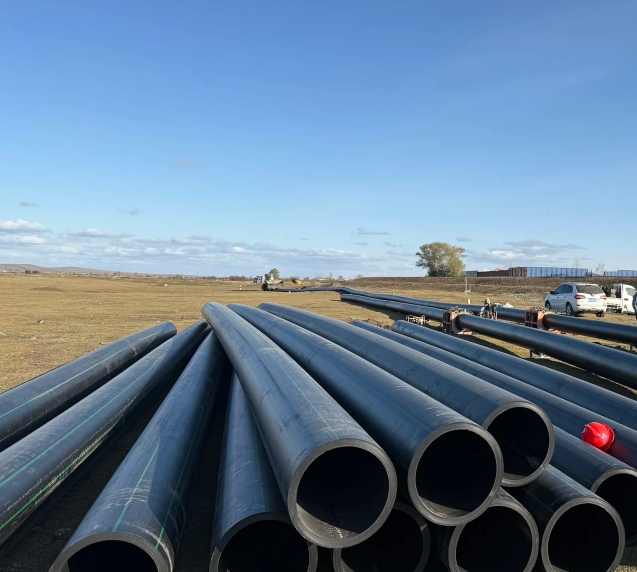
Product: HDPE Double-Layer Petroleum Pipe Details
Item : DN 200/600mm SDR 17
Location: Dubai