EN
EN

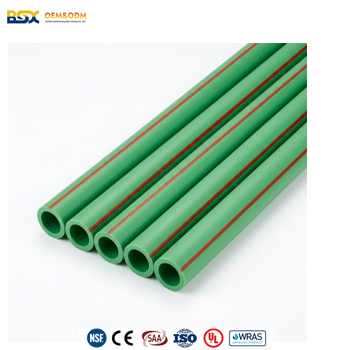
PPR Hot Water Pipe
BSX PPR Hot Water Pipe
Raw material: PPR resin
Standard: ISO 15874/DIN 8077/DIN 8078/ASTM F2389
Size: DN20-160mm/customized
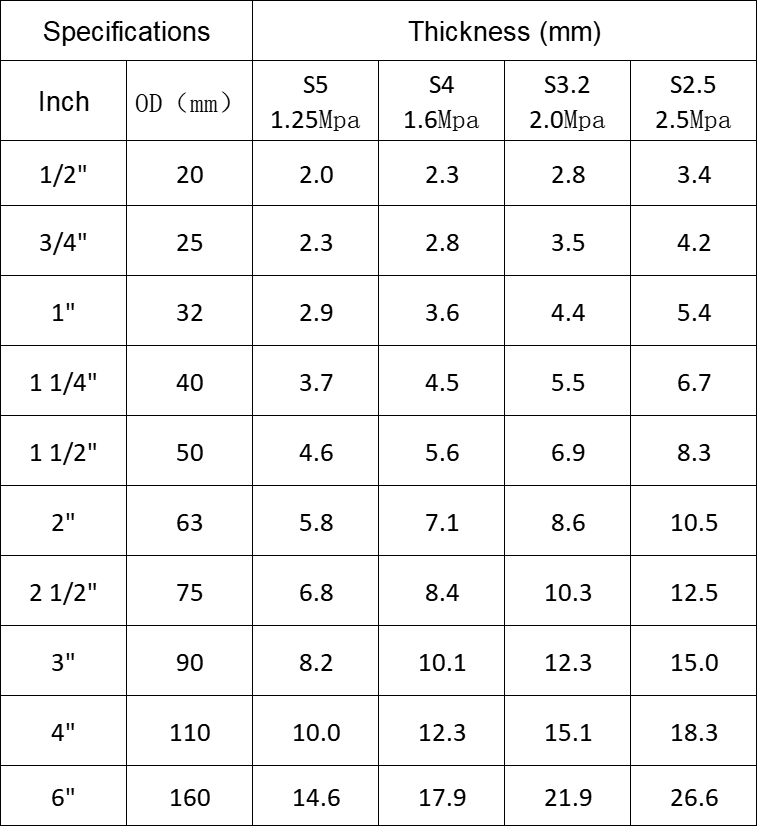
Pressure: PN20 (S3.2), PN25 (S2.5)
- Overview
- Recommended Products
 Product Introduction
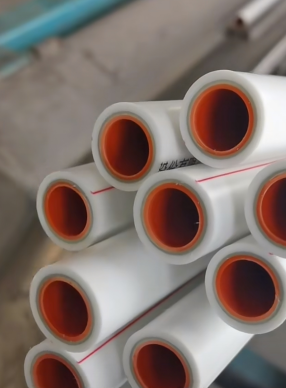
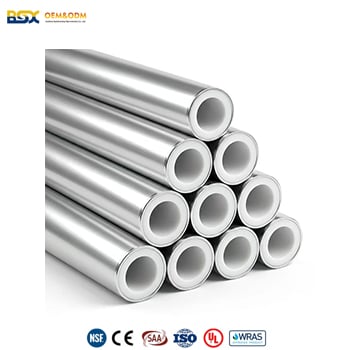
Baishunxing Pipe Industry Pipe Industry PPR Hot Water Pipe is specifically engineered for high-temperature plumbing systems. With a thicker wall and enhanced molecular structure, it provides a safe, reliable, and energy-efficient solution for domestic and industrial hot water delivery, capable of handling constant high-pressure environments.
Key Features
Enhanced Heat Stability
Optimized for constant operation at 70°C with exceptional resistance to thermal expansion.
Thicker Wall Design (S2.5 / PN25)
Features a higher pressure rating compared to cold water pipes, ensuring safety under hot water surge conditions.
Superior Insulation Properties
Significantly reduces heat loss during transportation, maintaining water temperature longer and saving energy.
Long-Term Creep Resistance
Maintains structural integrity and prevents sagging or deformation even after decades of high-temperature use.
Lead-Free & Non-Toxic
100% food-grade virgin material ensures no harmful chemicals leach into your hot water supply.
Corrosion-Free Longevity
Immune to the electrochemical corrosion that plagues copper and galvanized pipes in hot water settings.
Noise Reduction
The elastic material absorbs vibration and flow noise, providing a quieter indoor environment.
Application Scenarios
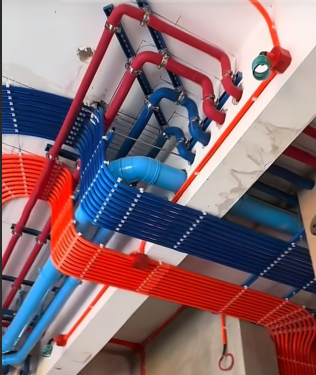
Domestic Hot Water : Centralized hot water systems for showers, kitchens, and bathrooms.
Solar Heating Systems: Connecting pipes for solar collectors and storage tanks.
Industrial Boiler Feeds: High-temperature water transport for industrial processing.
Underfloor Heating: Main distribution pipes for radiant heating systems.
FAQ
1. What is PPR hot water pipe?
It's PPR pipe rated specifically for continuous hot water service — domestic hot water supply, heating systems, and boiler connections — with a pressure-temperature rating tested for sustained heat, not just occasional warm water.
2. What's the maximum temperature PPR hot water pipe can handle?
It depends on the PN class — most hot water-rated PPR pipe handles continuous temperatures up to around 70-80°C, with brief peaks tolerated somewhat higher. Always check the manufacturer's pressure-temperature chart for your specific PN rating rather than assuming a single number applies to all PPR pipe.
3. Why does pressure rating drop as water gets hotter?
Plastic pipe gets slightly softer at higher temperatures, so it can safely hold less pressure hot than it can cold. This is why PPR pipe is rated with a pressure-temperature chart instead of one fixed PN number — you need to check both the temperature and pressure your system will actually run at.
4. Does hot water PPR pipe expand and contract more than cold water pipe?
Yes — any plastic pipe expands and contracts with temperature, and hot water lines see much bigger temperature swings than cold water lines. Long hot water runs typically need expansion loops, sliding supports, or flexibility built into the layout to handle this movement without stressing the joints.
5. Can PPR hot water pipe connect directly to a boiler?
Often yes, but check your boiler manufacturer's requirements first — some boilers require a metal transition fitting or a minimum distance of metal pipe near the boiler outlet due to very high localized temperatures at that connection point. Direct plastic-to-boiler connection isn't always approved by code or warranty.
6. Does hot water pipe need insulation?
It's strongly recommended, even though not always required by code. Insulating hot water PPR pipe reduces heat loss (saving energy), reduces condensation on cold sections, and helps limit thermal expansion stress from temperature swings.
7. Can hot water PPR pipe scald if touched?
Yes — the pipe surface can get hot enough to burn skin on contact, especially near the heat source. Exposed hot water pipe in accessible areas (like utility rooms with foot traffic) is often insulated partly for this safety reason, not just energy efficiency.
8. Does repeated heating and cooling wear out PPR hot water pipe faster than cold water pipe?
Yes, to some degree — repeated thermal cycling puts more stress on the pipe and joints than steady cold water flow, which is factored into the pipe's hot water pressure-temperature rating. Staying within the rated PN/temperature range is what keeps this cycling stress within safe limits over the pipe's service life.
9. Can hot water and cold water PPR pipe share the same fittings?
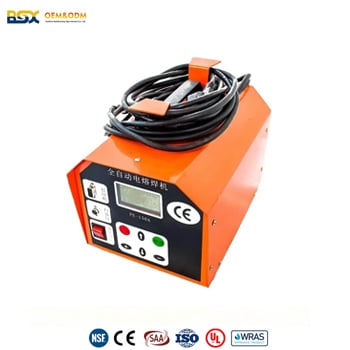
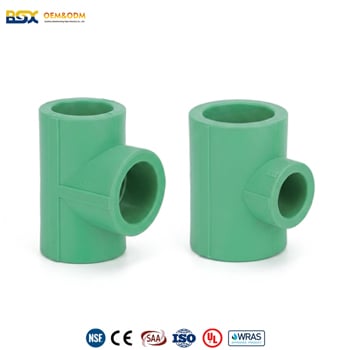
Generally yes within the same PN/pressure class and diameter, but always verify the fitting is also rated for the hot water temperature your line will carry — some economy fittings are cold-water rated only.
10. How long does PPR hot water pipe last?
Properly installed and kept within its rated pressure-temperature range, it's typically rated for around 50 years of service. Real-world lifespan depends on staying within that rating, correct fusion joint quality, and allowing for thermal expansion in the installation.
Case
Product:PPR Antibacterial Pipe
PN16 50*5.6mm
Location: US