EN
EN

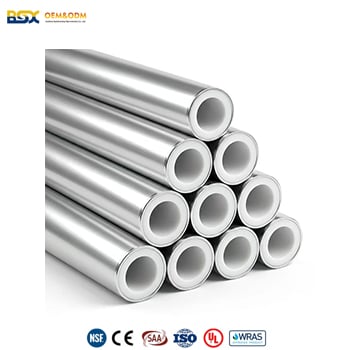
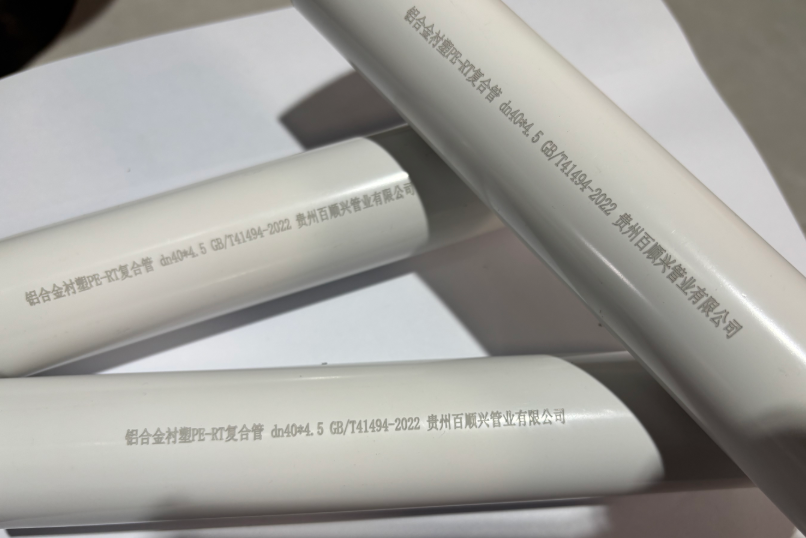
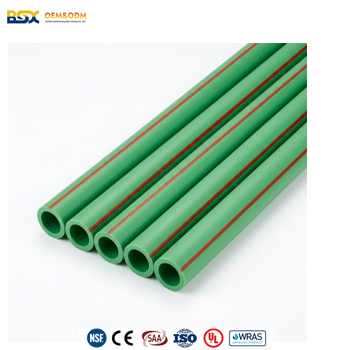
PPR-AL-Aluminum alloy PE-RT composite pipe
BSX Aluminum alloy PE-RT composite pipe
Raw material: PPR resin
Standard: ISO 15874/DIN 8077/DIN 8078/ASTM F2389
Size: DN20-110mm/customized
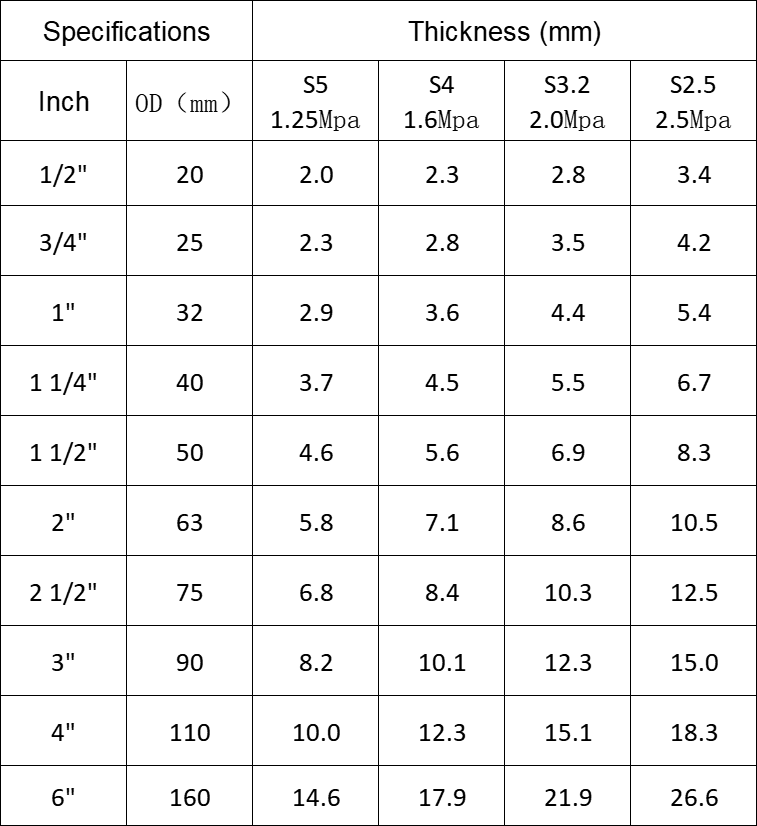
Pressure: PN16 (S4), PN20 (S3.2), PN25 (S2.5)
- Overview
- Recommended Products
 Product Introduction
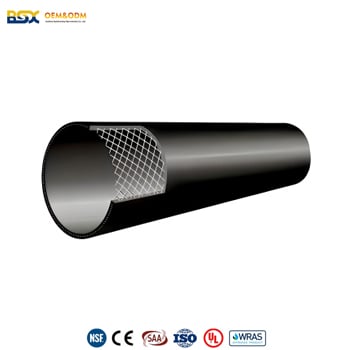
Baishunxing Pipe Industry Pipe Industry PPR-AL-PPR Aluminum-Plastic Composite Pipe (also known as Steady-State Pipe) is a high-performance, five-layer integrated piping system. It consists of an inner PPR layer, an adhesive layer, a central aluminum core (butt-welded or overlap), another adhesive layer, and a protective outer PPR layer. This unique structure combines the hygienic properties of plastic with the strength and oxygen-barrier capabilities of metal.
Key Characteristics
Five-Layer Composite Structure: The core aluminum layer is fully encapsulated by PPR, providing a perfect balance of flexibility and rigidity.
100% Oxygen Barrier: The metallic aluminum layer eliminates oxygen permeability, preventing the oxidation of metal components in heating systems.
UV Resistance: The middle aluminum layer blocks 100% of UV rays, effectively preventing the aging of the pipe and the growth of algae inside.
Standard Heat Fusion Jointing: Can be connected using standard PPR socket fusion after peeling the outer layer, ensuring a permanent, leak-proof bond.
Core Advantages
Extremely Low Thermal Expansion: The expansion coefficient is reduced to nearly 1/5 of standard PPR, comparable to that of metal pipes, preventing pipe deformation.
Superior Pressure & Temp Resistance: Safely operates at continuous temperatures of 95°C and withstands higher pressure ratings (PN2.5) than single-layer pipes.
Shape Retention: Unlike standard plastic pipes, the aluminum core allows the pipe to retain its bent shape, simplifying installation in complex layouts.
Enhanced Service Life: Designed for high-stress environments with a service life exceeding 50 years under standard conditions.
Primary Applications
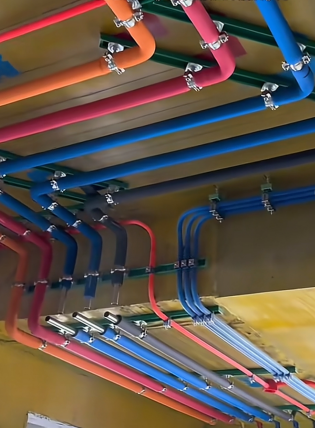
Central Heating & Radiator Systems: The preferred choice for closed-loop heating where oxygen prevention is critical for boiler longevity.
Solar Energy Water Systems: Ideal for outdoor solar loops due to its high-temperature tolerance and UV protection.
High-End Surface Heating: Used in high-performance underfloor heating systems requiring maximum reliability and stability.
Industrial Hot Fluid Transport: Suitable for chemical and industrial fluid transport where thermal stability is a priority.
FAQ
1. What is PPR-AL aluminum composite pipe?
It's a multilayer pipe with a thin aluminum layer sandwiched between plastic layers (PE-RT and/or PPR). The aluminum adds strength, blocks oxygen, and reduces thermal expansion compared to plain plastic pipe.
2. Why is there an aluminum layer inside a plastic pipe?
The aluminum layer does three jobs at once: it blocks oxygen from passing through (protecting metal fittings and boilers in heating systems), reduces how much the pipe expands and contracts with temperature changes, and lets the pipe hold its shape when bent by hand.
3. Can this pipe be bent by hand without special tools?
Yes — that's one of its main advantages. Because of the aluminum layer, the pipe can be bent to a moderate radius by hand or with a simple bending spring, and it holds the bend without springing back, unlike plain PPR or PE-RT pipe.
4. How is PPR-AL pipe joined — heat fusion or fittings?
It's joined with mechanical fittings — usually press fittings or compression fittings — not heat fusion. The aluminum layer prevents proper plastic-to-plastic fusion welding, so fusion methods used on standard PPR pipe don't work here.
5. Does the aluminum layer make the pipe prone to corrosion?
The aluminum layer itself is sealed between plastic layers and doesn't contact the water inside, so it doesn't corrode from normal water flow. If the pipe is cut and the cut edge isn't properly sealed or fitted, exposed aluminum at that point could be at risk — proper fittings are designed to cover and protect the cut edge.
6. Is PPR-AL composite pipe rated for hot water and heating systems?
Yes, it's commonly used for hot water supply and radiant floor heating, similar to standard PE-RT or PPR pipe, but with better dimensional stability under temperature changes thanks to the aluminum layer. Check the specific pressure-temperature rating for your system's operating conditions.
7. Does this pipe need a separate oxygen barrier for heating systems?
No — the aluminum layer itself blocks oxygen diffusion, so a separate oxygen-barrier (EVOH) layer generally isn't needed on top of it. This makes it a common alternative to PPR oxygen-barrier tube for closed-loop heating systems.
8. Is PPR-AL pipe heavier or more expensive than plain PPR or PE-RT pipe?
It's slightly heavier due to the metal layer, and typically costs more than plain plastic pipe because of the extra manufacturing process. The trade-off is easier bending, lower thermal expansion, and built-in oxygen protection.
9. Is PPR-AL composite pipe the same as PEX-AL-PEX pipe?
They're similar in concept — both sandwich an aluminum layer between plastic layers — but PEX-AL-PEX uses cross-linked polyethylene (PEX) as the plastic layers instead of PPR or PE-RT. Fitting compatibility and bending behavior can differ slightly between the two, so don't mix fittings designed for one with pipe from the other.
10. How long does PPR-AL composite pipe last?
Properly installed, it's typically rated for decades of service, similar to other multilayer composite pipe systems. Real-world lifespan depends on staying within the rated pressure-temperature range and using fittings designed specifically for this pipe's layer structure.
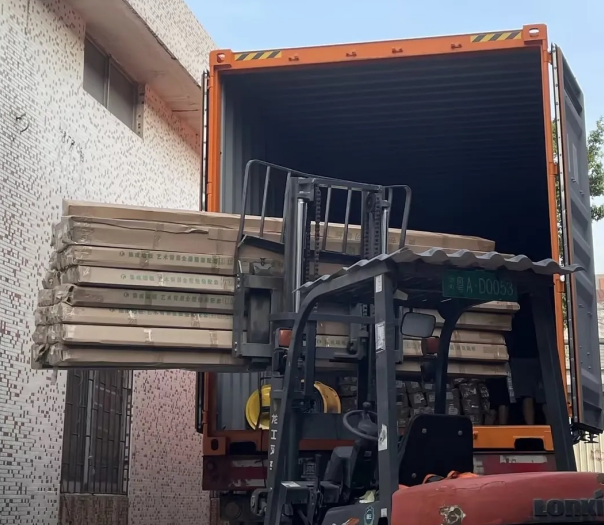
Case
Product:PPR-AL-Aluminum alloy PE-RT composite pipe
PN16 50*5.6mm
Location: USA