EN
EN

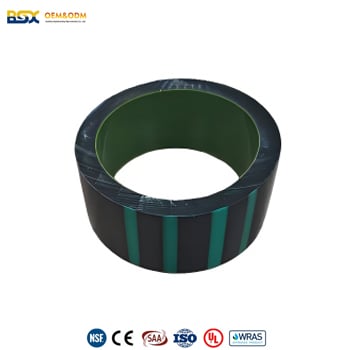
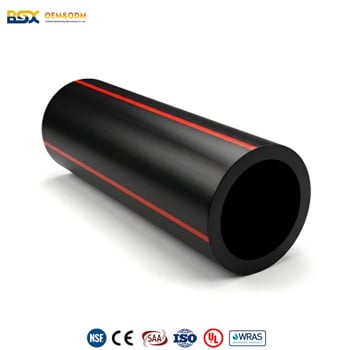
HDPE Petroleum Pipe
HDPE Petroleum Pipe
Raw materials: PE100, PE100RC
Standard: EN 14125/UL 971/GB/T (Special Standard for Gas Stations)
Diameter: 32mm-160mm
Pressure level: SDR17, SDR11
Certification: UL, WRAS, NSF, ISO, CE, EN 1555
Length: 5.8 meters (20 feet), 11.8-12 meters/L40 feet
Color: Black.
- Overview
- Recommended Products
 Product Overview
Baishunxing HDPE Petroleum Pipes are specialized pipelines engineered for oil and gas field development. Considering the hydrocarbons, acidic gases, and complex chemical components in petroleum, these pipes are manufactured from premium High-Density Polyethylene (PE100). They are widely used for crude oil gathering, natural gas transport, oilfield water injection, and oily wastewater treatment, serving as the ideal solution to replace traditional steel pipes and solve corrosion issues.
Key Features
Excellent Hydrocarbon & Chemical Resistance: Superior resistance to hydrocarbon components in crude oil and natural gas, as well as acidic media like H2SH2S and CO2CO2; immune to electrochemical corrosion.
Smooth Inner Wall & Reduced Wax Buildup:The extremely smooth inner wall (n≈0.009n≈0.009) effectively reduces friction during crude oil transport. Additionally, HDPE is resistant to paraffin buildup, significantly reducing wax accumulation on the pipe walls.
High Flexibility to Adapt to Terrain: Exceptional toughness and elongation at break allow the pipe to adapt to complex oilfield terrains, ground settlement, and pipeline stress caused by temperature fluctuations.
Superior Crack Resistance: Features high Slow Crack Growth (SCG) resistance, ensuring long-term operational safety under complex buried conditions.
Major Advantages
No Anti-corrosion Needed & Lower Cost: Unlike steel pipes that require expensive internal and external coatings, HDPE petroleum pipes are inherently corrosion-resistant, significantly reducing installation and long-term maintenance costs.
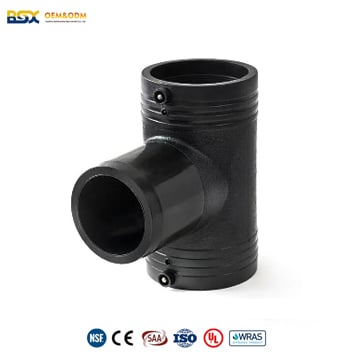
Zero-Leakage Joint Assurance:Utilizing heat fusion or electrofusion, the joints achieve molecular-level integration. The joint strength exceeds the pipe itself, completely eliminating the risk of oil or gas leaks.
Extra Long Service Life:Under standard operating conditions, the design life exceeds 50 years, far outlasting traditional metal pipes prone to corrosion.
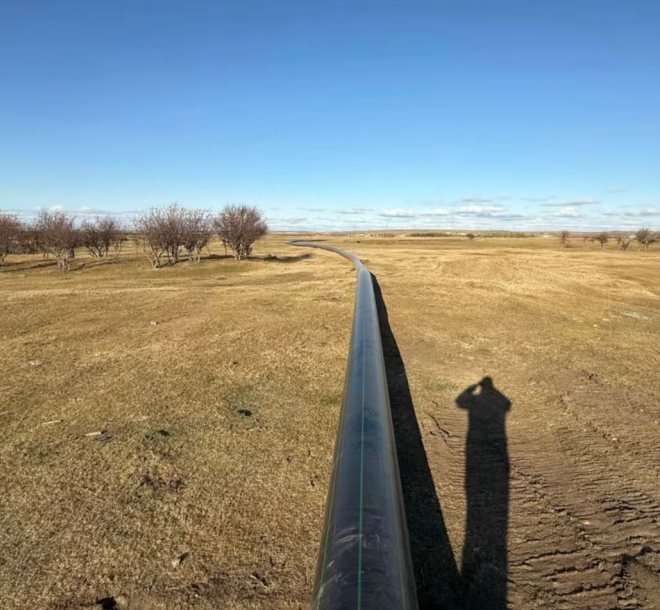
Rapid and Efficient Installation: Lightweight (about 1/8 of steel pipes) makes it easy to handle and rapidly install in remote oil regions like deserts or gobi areas.
Typical Applications
Crude Oil Gathering: Crude oil transport between oil wells, transfer stations, and central processing facilities.
Natural Gas Transport: Gathering and transport of low-to-medium pressure natural gas, associated gas, and coalbed methane.
Water Injection & Wastewater Treatment: High-pressure water injection systems and discharge of saline/oily wastewater.
Chemical Fluid Transport:Process piping for various acids, alkalis, and solvents within petrochemical plants.
FAQ
1. What is HDPE petroleum pipe used for?
It's used to transport fuel, crude oil, and other petroleum products — both above ground and buried. It's a lighter, corrosion-free alternative to steel pipe for many oilfield and fuel-transfer applications.
2. Is HDPE resistant to oil and fuel?
Yes, standard HDPE resists many petroleum products, but resistance varies by fuel type and concentration. Always check the pipe manufacturer's chemical resistance chart for your specific product (crude oil, diesel, gasoline, etc.) before installing.
3. Does HDPE petroleum pipe need to be single-wall or double-wall?
It depends on your application and local code. Single-wall pipe is simpler and cheaper, but many underground fuel storage and station applications now require double-wall pipe for leak containment — check what your local fuel regulations require.
4. Can HDPE pipe build up static electricity when moving fuel?
Yes, fuel flowing through plastic pipe can generate static charge, which is a safety concern near flammable vapors. For this reason, petroleum pipe is often specified with a conductive or anti-static layer, especially for gasoline and other high-volatility fuels.
5. What pressure can HDPE petroleum pipe handle?
It depends on the pipe's SDR (wall thickness ratio) — a thicker wall means a higher pressure rating. Always match SDR to your system's actual operating pressure, not just the general application.
6. How is HDPE petroleum pipe joined?
The standard method is butt fusion — heating and pressing pipe ends together to form a solid joint. This avoids gaskets or threaded connections that are more likely to leak over time.
7. Can HDPE petroleum pipe be used above ground?
Yes, but standard HDPE degrades under prolonged UV exposure. Pipe used above ground should be UV-stabilized (usually black with carbon black additive) or otherwise protected from long-term sun exposure.
8. What temperature range does HDPE petroleum pipe handle?
HDPE performs well across typical ambient and product temperatures, but it softens in high heat and stiffens in extreme cold. Check the manufacturer's temperature rating if your line carries heated product or runs in extreme climates.
9. How does HDPE compare to steel pipe for petroleum use?
HDPE doesn't rust, is lighter to install, and costs less to maintain over time. Steel may still be preferred for very high pressure, high temperature, or where local code requires metal pipe for specific petroleum applications.
10. How long does HDPE petroleum pipe last?
Properly installed, it's typically rated for decades of service. Real-world lifespan depends on chemical compatibility with the product carried, UV exposure if above ground, and staying within the pipe's rated pressure.
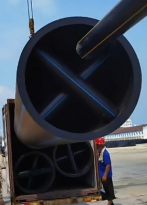
Case
Product: HDPE Petroleum Pipe
Item : DN 1600mm SDR 17
Location: Saudi Arabia