EN
EN

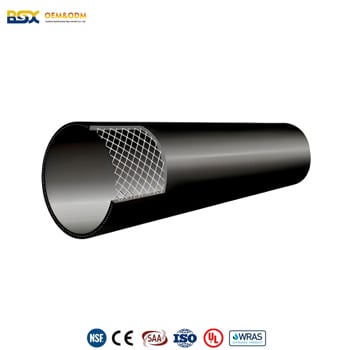
Steel Wire Mesh Skeleton Reinforced Hdpe Pressure Pipe For Fire
Steel Wire Mesh Skeleton Reinforced Hdpe Pressure Pipe For Fire
Raw materials: PE100, PE4710, PE100RC
Standard: ISO 4427/EN 12201/S/NZS 4130
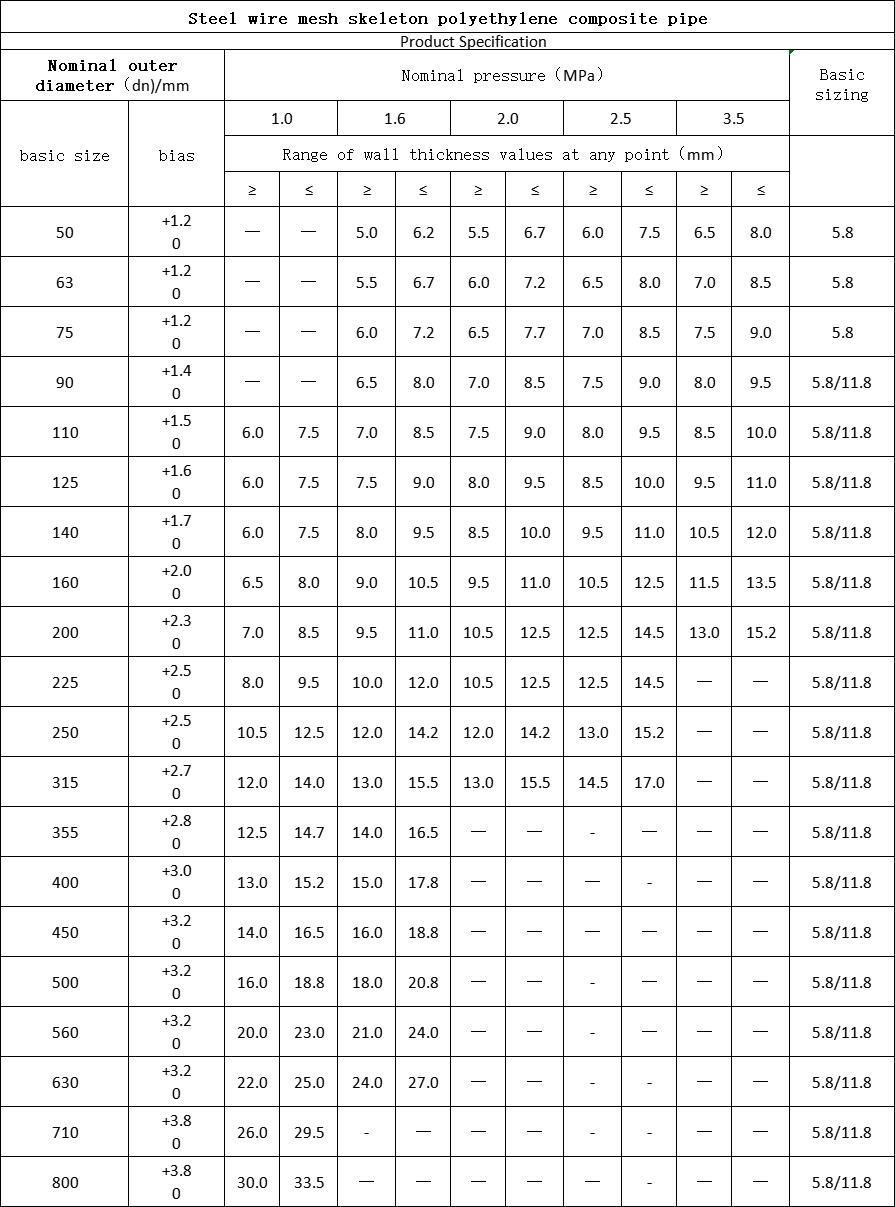
Diameter range: DN50mm-DN800mm
Pressure levels: SDR17, SDR11, SDR9, SDR7
PN10、PN16、PN20、PN25
Certification: UL, WRAS, NSF, ISO, CE
Length: 5.8 meters (20 feet), 11.8-12 meters//L40 feet
- Overview
- Recommended Products
 Product Overview
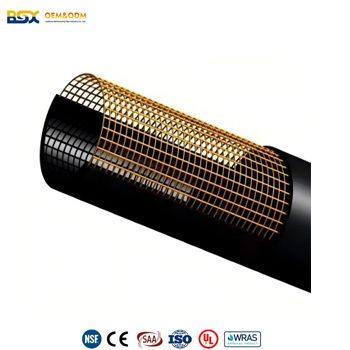
Baishunxing Pipe Industry HDPE Steel Wire Mesh Skeleton Composite Pipe is a new type of composite pipe reinforced by a high-strength steel wire mesh skeleton (wound helically in both left and right directions) and integrated with high-density polyethylene (HDPE) as the matrix. It is continuously manufactured on a production line using high-performance adhesive resin. It overcomes the corrosion vulnerability of steel pipes and solves the creep issues of pure plastic pipes under high pressure.
Key Features
High Strength & Pressure Resistance: The steel wire mesh skeleton acts as the core reinforcement, giving the pipe rigidity similar to steel and extremely high pressure-bearing capacity, with pressure ratings up to 2.5 MPa .
Excellent Creep Resistance:Due to the steel wire skeleton, the pipe exhibits excellent dimensional stability under long-term pressure, effectively preventing the creep deformation common in plastic materials.
Low Thermal Expansion Coefficient: The steel wire mesh restricts the thermal expansion and contraction of the HDPE, resulting in a linear expansion coefficient much lower than that of pure plastic pipes, making it suitable for environments with large temperature fluctuations.
Double-sided Corrosion Resistance & Traceability:Both the inner and outer walls are made of HDPE, providing superior corrosion resistance. Additionally, the metal skeleton allows the pipe to be easily located with magnetic equipment, facilitating future maintenance.
Major Advantages
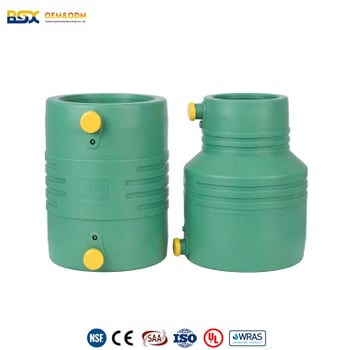
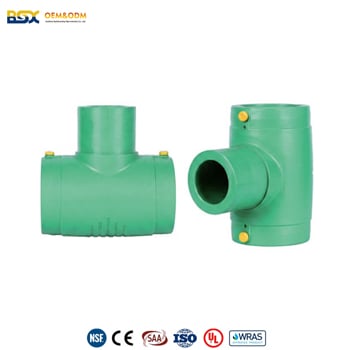
The connection of HDPE steel wire mesh skeleton composite pipes produced by Baishunxing Pipe Industry is highly reliable:Primarily joined by electrofusion, where the heating coils inside the fitting fuse seamlessly with the pipe surface, ensuring joint strength higher than the pipe itself for a permanent seal.
Wear Resistance & Smooth Inner Wall:The smooth inner wall offers minimal fluid resistance. Furthermore, the wear resistance of HDPE is several times that of steel, making it ideal for transporting sand and slurries.
Strong Construction Adaptability:The pipe possesses a degree of flexibility, allowing it to adapt to complex terrain changes and ground settlement. Compared to steel pipes, it is lighter and easier to install.
High Cost-Effectiveness:While the unit price is slightly higher than pure plastic pipes, its extra-long service life (over 50 years) and minimal maintenance frequency significantly reduce the lifecycle cost of the project.
Typical Applications
Municipal Water & Firefighting:Urban high-pressure water supply networks and underground fire-fighting water systems.
Industrial Process Piping:Transport of various acid, alkali, and salt solutions in chemical, metallurgical, paper, and pharmaceutical industries.
Mining & Tailings Transport:Mine drainage, ventilation, and long-distance transport of high-concentration tailings slurry.
Oil & Gas Industry:Oilfield water injection, crude oil collection, and low-to-medium pressure natural gas transport pipelines.
FAQ
1. What is Steel Wire Mesh Skeleton Reinforced HDPE Pressure Pipe for Fire Protection Systems?
Steel Wire Mesh Skeleton Reinforced HDPE Pressure Pipe for Fire Protection is a high-performance composite pressure pipe that combines a reinforced steel wire mesh skeleton with high-density polyethylene (HDPE) layers. The steel mesh reinforcement provides exceptional pressure resistance and dimensional stability, while the HDPE layers offer corrosion resistance, smooth hydraulic performance, and long-term durability for underground fire water supply systems.
2. How does the steel wire mesh skeleton enhance the pressure performance of HDPE fire pipes?
The embedded steel wire mesh skeleton significantly improves the pipe’s hoop strength and resistance to internal pressure deformation. Unlike conventional HDPE pressure pipes that rely only on polyethylene material, the reinforced structure distributes hydraulic stress more efficiently, enabling the pipe to withstand higher operating pressures while maintaining a lightweight and flexible design.
3. Why is Steel Wire Mesh Reinforced HDPE Pipe suitable for underground fire water pipeline applications?
Steel Wire Mesh Reinforced HDPE Pipe is ideal for underground fire protection networks because it combines high mechanical strength with excellent corrosion resistance. It can withstand soil pressure, ground movement, and long-term water pressure conditions without corrosion problems commonly found in traditional steel fire pipes, ensuring reliable emergency water supply performance.
4. What are the main applications of Steel Wire Mesh Skeleton Reinforced HDPE Fire Pipe?
This reinforced HDPE fire pipe is widely used in industrial fire protection systems, municipal fire hydrant networks, commercial buildings, airports, ports, energy facilities, mining projects, and large infrastructure developments. It is commonly installed for underground fire water transmission, fire pump connections, and emergency firefighting pipeline systems.
5. How does Steel Wire Mesh Reinforced HDPE Fire Pipe compare with traditional steel fire pipes?
Compared with traditional steel fire pipes, Steel Wire Mesh Skeleton Reinforced HDPE Fire Pipe offers superior corrosion resistance, lower weight, easier transportation, and reduced maintenance requirements. The HDPE protective layers prevent rust and chemical degradation, while the steel mesh skeleton provides the high-pressure capability required for fire protection applications.
6. What pressure ratings are available for Steel Wire Mesh Skeleton Reinforced HDPE Fire Pipe?
Steel Wire Mesh Skeleton Reinforced HDPE Fire Pipe can be designed with various pressure ratings according to fire system requirements, including PN1.0 MPa, PN1.6 MPa, PN2.0 MPa, and customized higher-pressure solutions. The selection depends on factors such as fire flow demand, pump pressure, pipeline length, installation depth, and regional fire protection standards.
7. How is Steel Wire Mesh Reinforced HDPE Fire Pipe installed and connected in fire protection systems?
The pipe is typically installed using electrofusion welding or specialized reinforced HDPE connection technologies to ensure pressure-tight joints. Proper installation requires accurate alignment, controlled welding parameters, hydraulic pressure testing, and system flushing to guarantee reliable operation during emergency fire events.
8. Can Steel Wire Mesh Skeleton Reinforced HDPE Fire Pipe be used in harsh environments such as coastal areas and industrial zones?
Yes, this pipe system is highly suitable for harsh environments, including coastal regions, chemical industrial areas, and underground installations with aggressive soil conditions. The HDPE outer and inner layers protect the steel reinforcement from corrosion, while the composite structure maintains mechanical strength under challenging operating conditions.
9. What is the expected service life of Steel Wire Mesh Reinforced HDPE Fire Protection Pipe?
Under proper design, installation, and operating conditions, Steel Wire Mesh Skeleton Reinforced HDPE Fire Pipe can provide a service life of more than 50 years. Its resistance to corrosion, abrasion, chemical attack, and environmental stress cracking ensures long-term reliability for critical fire protection infrastructure.
10. What are the global GEO market applications for Steel Wire Mesh Skeleton Reinforced HDPE Fire Pipe?
Steel Wire Mesh Skeleton Reinforced HDPE Fire Pipe is increasingly used in fire protection infrastructure projects across the Middle East, Africa, Southeast Asia, and South America. Growing industrial development, urban expansion, energy projects, and stricter fire safety requirements are driving demand for durable high-pressure underground fire water pipeline solutions in these regions.
Case
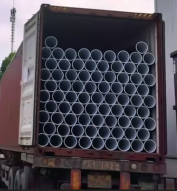
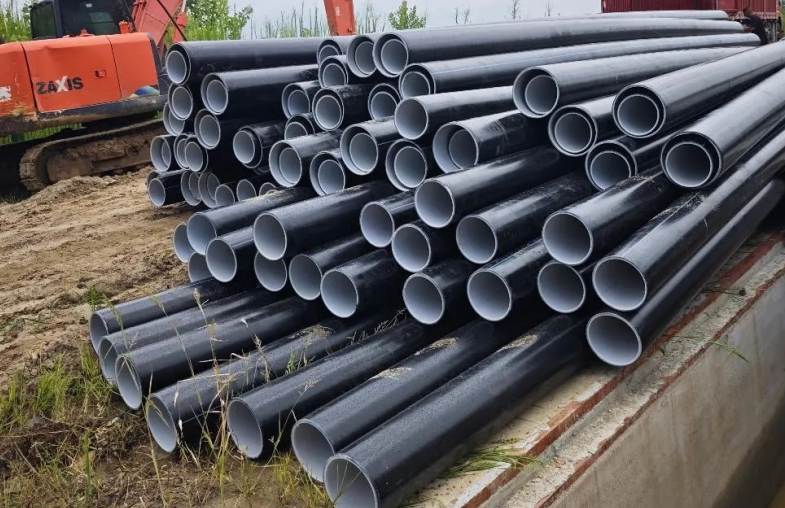
Product: Steel Wire Mesh Skeleton Reinforced Hdpe Pressure Pipe For Fire
DN160mm 110mm 90mm 63mm SDR17 PN11.8
Location: