EN
EN

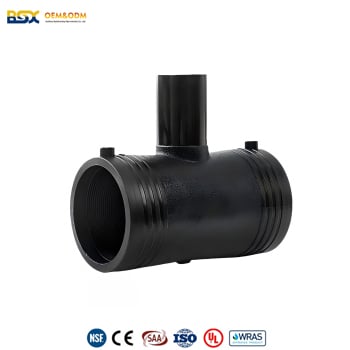
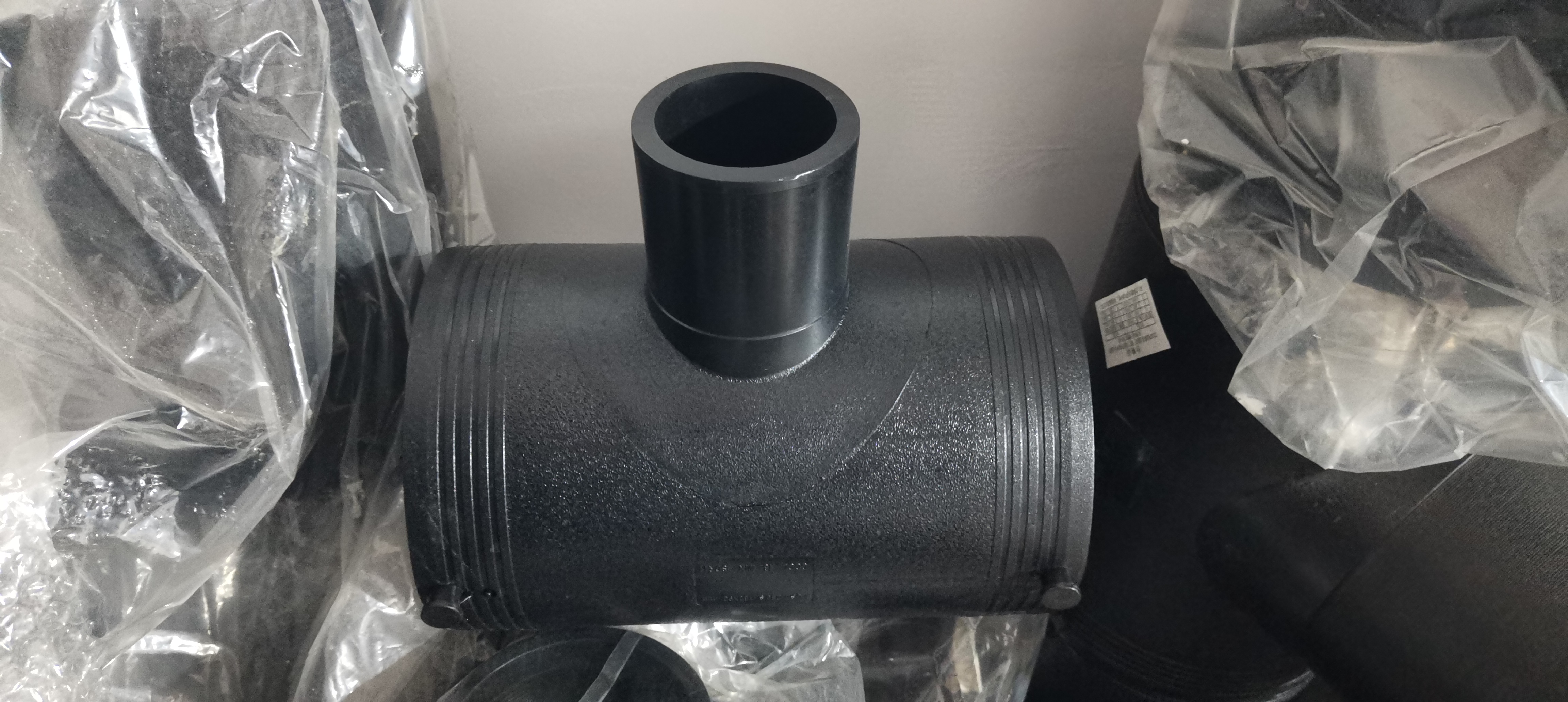
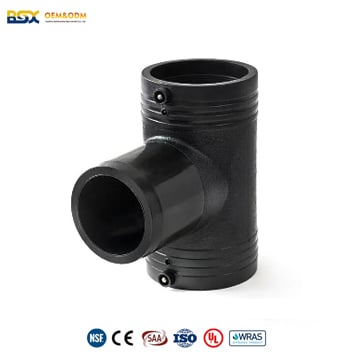
HDPE Electrofusion Reducing Tee
BSX HDPE Electrofusion Reducing Tee
Raw Materials: PE100, PE100RC
Standards : EN12201, ISO 4427, AS/NZS 4129
Diameter: DN50-800mm (Larger size can be customized)
PressureRating: SDR9, SDR11, SDR17, SDR26
Certificates: CE, ISO, WRAS, UL
Color: Black, colors can be customized
- Overview
- Recommended Products
 Product Introduction
Baishunxing Pipe Industry The HDPE Electrofusion Reducing Tee is a specialized three-way fitting designed to create a branch connection with a smaller diameter from a main HDPE pipeline. By utilizing embedded electrical resistance wires, it creates a secure, leak-proof, and homogenous fusion between the main line, the branch, and the tee itself, ensuring a smooth transition in flow and pipe size.
Technical Features
Dual-Diameter Integration: Specifically engineered to connect three pipes where the branch (off-take) is smaller than the main run, maintaining optimal hydraulic performance.
Precision Fusion Zones: Independent or simultaneous heating zones for the main and branch sockets ensure balanced melting and high joint integrity.
Traceability and Automation: Includes a standard barcode that provides automatic welding parameters (voltage and time) for electrofusion processors.
Product Advantages
Reduced Flow Resistance: The internal smooth bore design minimizes pressure drops and turbulence at the reduction point.
Superior Joint Strength: The molecular fusion process results in a joint that withstands high pressure and mechanical stress better than traditional branch saddles.
Corrosion and Chemical Resistance: Made from PE100, it is immune to biological growth, corrosion, and a wide range of industrial chemicals.
Applications
Water Main Tapping: Branching smaller service lines from large municipal water mains.
Gas Distribution: Safe and reliable reduction connections for natural gas networks.
Industrial Process Cooling: Distributing cooling fluids or process water to equipment via smaller branch lines.
Irrigation Systems: Creating secondary distribution lines from primary irrigation headers
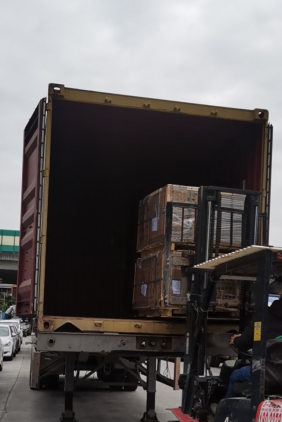
Case
Product: HDPE Electrofusion Reducing Tee
Location: Thailand