EN
EN

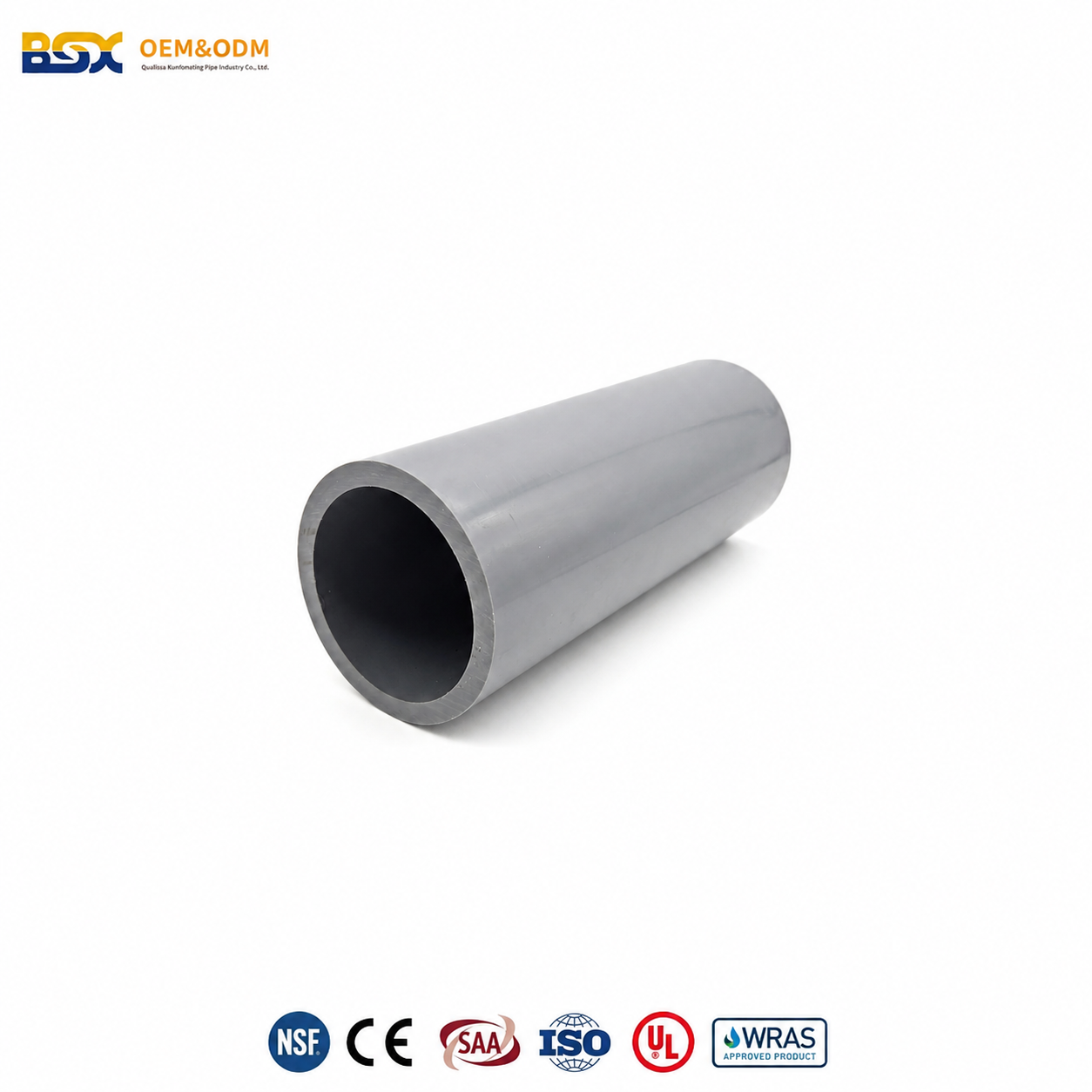
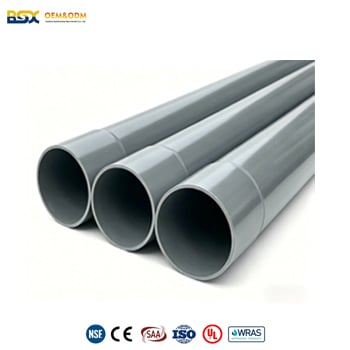
CPVC pipe
Diameter:1/2"-24inch”
Standard:Sch40, Sch80 ASTM F441
Length:4m (customizable)
Vicat Softening Temperature >=110°C
- Overview
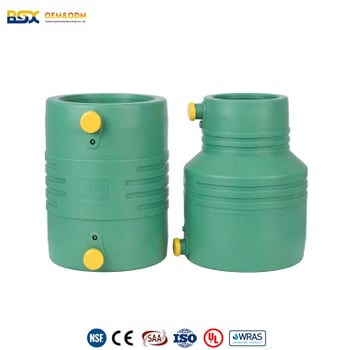
- Recommended Products
Product Overview
 product Description
Industrial-grade gray CPVC (Chlorinated Polyvinyl Chloride) piping is designed for high-temperature and highly corrosive environments. It delivers improved thermal resistance and chemical stability compared to standard PVC, making it suitable for industrial fluid transport systems where durability and safety are required.
Performance Advantages
High Temperature Resistance
CPVC offers higher heat tolerance than standard PVC, maintaining strength and stability in hot fluid transport applications.
Superior Chemical Resistance
Resistant to a wide range of corrosive chemicals, CPVC ensures long-term performance in demanding industrial environments.
Dimensional Stability & Durability
The material maintains rigidity under pressure and temperature variations, reducing deformation and extending service life.
Corrosion-Free Operation
Unlike metal piping systems, CPVC does not rust or scale, helping maintain consistent flow efficiency and reducing maintenance needs.
Why Choose CPVC Pipes Instead of Metal Pipes
CPVC piping is widely selected as a replacement for traditional metal pipes in chemical, water treatment, and industrial systems due to its corrosion resistance, thermal stability, and lower lifecycle cost.
| Feature | CPVC Pipes | Metal Pipes (Steel / Copper) |
|---|---|---|
| Corrosion Resistance | Resistant to acids, alkalis, salts | Prone to rust, scaling, and corrosion |
| Temperature Performance | Stable in high-temperature water systems | Can weaken under prolonged heat exposure |
| Flow Efficiency | Smooth inner wall, low friction loss | Rougher surfaces increase pressure drop over time |
| Maintenance Needs | Low maintenance, no anti-rust treatment required | Requires coating, inspection, and repair |
| Weight & Installation | Lightweight, easy cutting and joining | Heavy, requires welding or threading |
| Service Life | Long-term stability in corrosive environments | Reduced lifespan in aggressive chemical conditions |
| Cost Efficiency | Lower installation and lifecycle cost | Higher installation + maintenance cost |
FAQ
1. What is CPVC pipe used for?
CPVC pipes are commonly used for hot and cold water distribution, chemical transport, industrial fluid systems, and water treatment applications due to their high temperature and corrosion resistance.
2. What is the difference between CPVC and PVC pipes?
CPVC has higher heat resistance and can handle hot water systems, while standard PVC is limited to lower temperatures and is mainly used for cold water and drainage.
3. Can CPVC pipes be used for hot water supply?
Yes. CPVC pipes are specifically designed for hot water applications and can perform reliably in high-temperature plumbing systems.
4. What is the maximum temperature CPVC pipes can withstand?
CPVC pipes typically withstand temperatures up to around 90°C (194°F), depending on pressure and application conditions.
5. Are CPVC pipes resistant to corrosion and chemicals?
Yes. CPVC is highly resistant to acids, alkalis, salts, and many industrial chemicals, making it suitable for harsh environments.
6. How long do CPVC pipes last?
Under proper installation and operating conditions, CPVC pipes can last 40–50 years or more in residential and industrial systems.
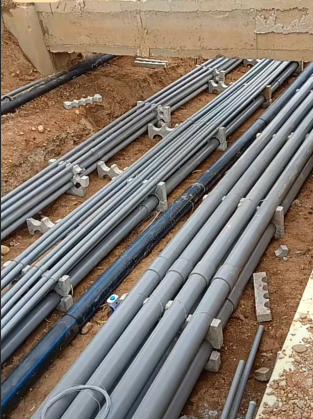
7. Can CPVC pipes be used underground?
Yes. CPVC pipes can be used underground when properly installed with correct bedding and protection against physical stress and UV exposure.
8. Are CPVC pipes safe for drinking water?
Yes. CPVC is non-toxic and commonly used in potable water systems, ensuring safe water delivery without contamination.
9. What are the advantages of CPVC over metal pipes?
CPVC is lighter, corrosion-free, easier to install, and requires less maintenance compared to metal pipes, which may rust or scale over time.
10. Where are CPVC pipes commonly used?
CPVC pipes are widely used in residential plumbing, industrial chemical systems, hot water lines, water treatment plants, and infrastructure projects in high-temperature environments.
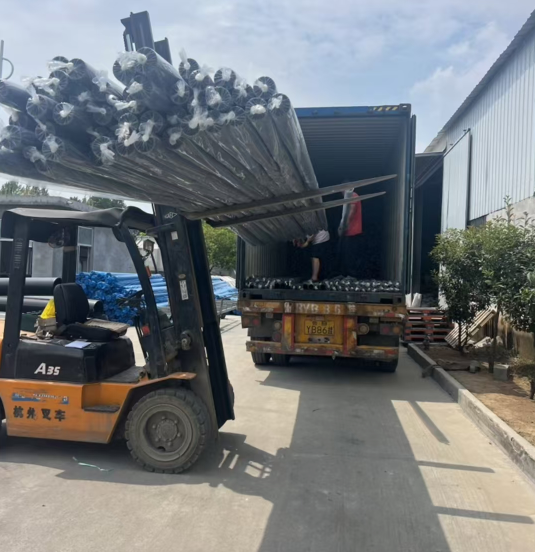
Case
Product: CPVC pipe
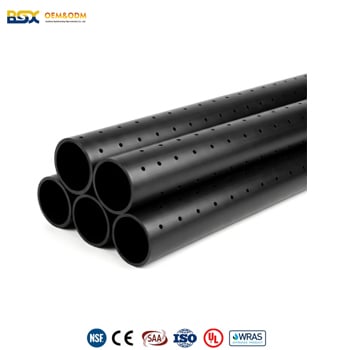
Specifications: 110mm, 0.7mm slot width
Location: Thailand