 EN
EN

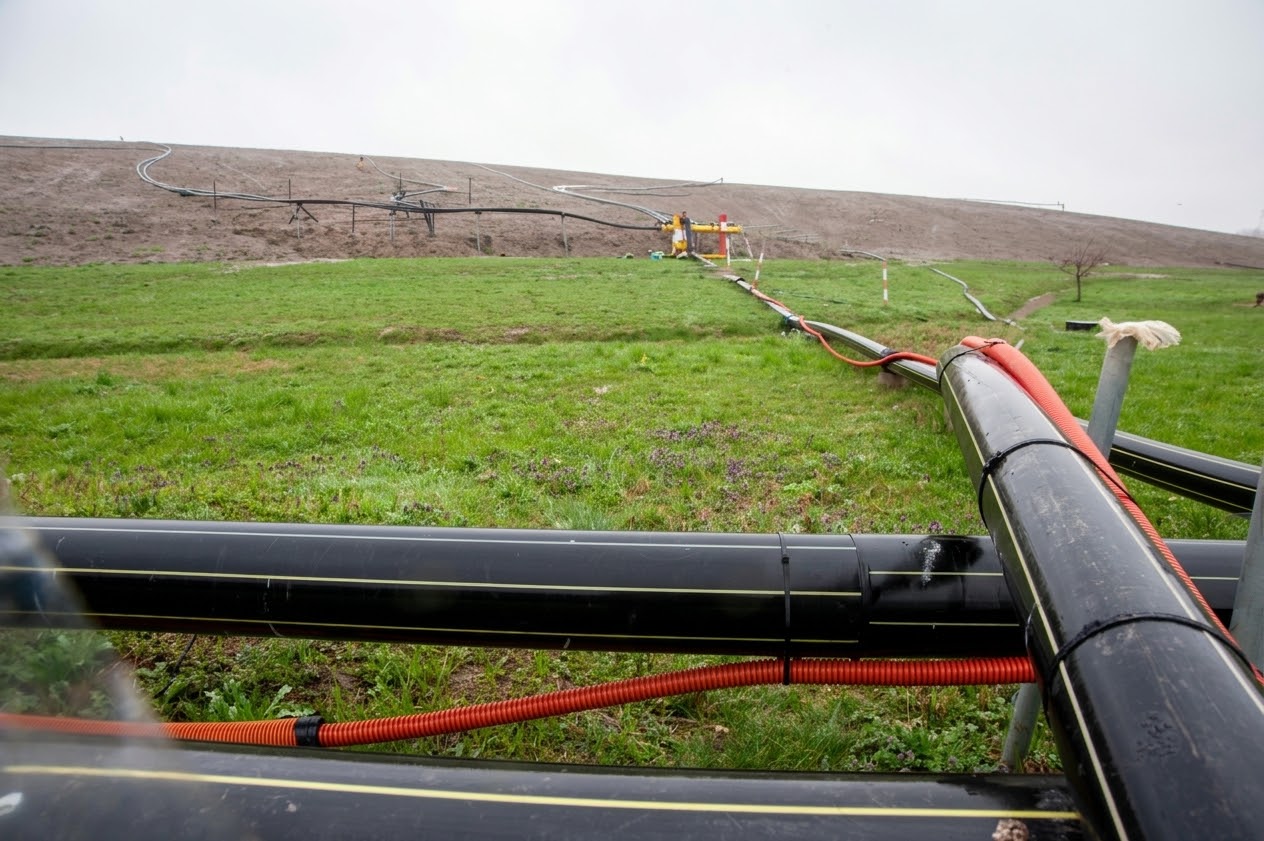
Natural gas has become an indispensable energy source for the daily lives of most urban residents. However, as gas pipelines age, safety hazards also increase. Gas accidents have occurred in many parts of the world , and many of these are related to the aging and neglected state of gas pipelines. Currently, the renovation of old gas pipelines is a topic of great concern, and these questions have arisen.
What are HDPE gas pipelines?
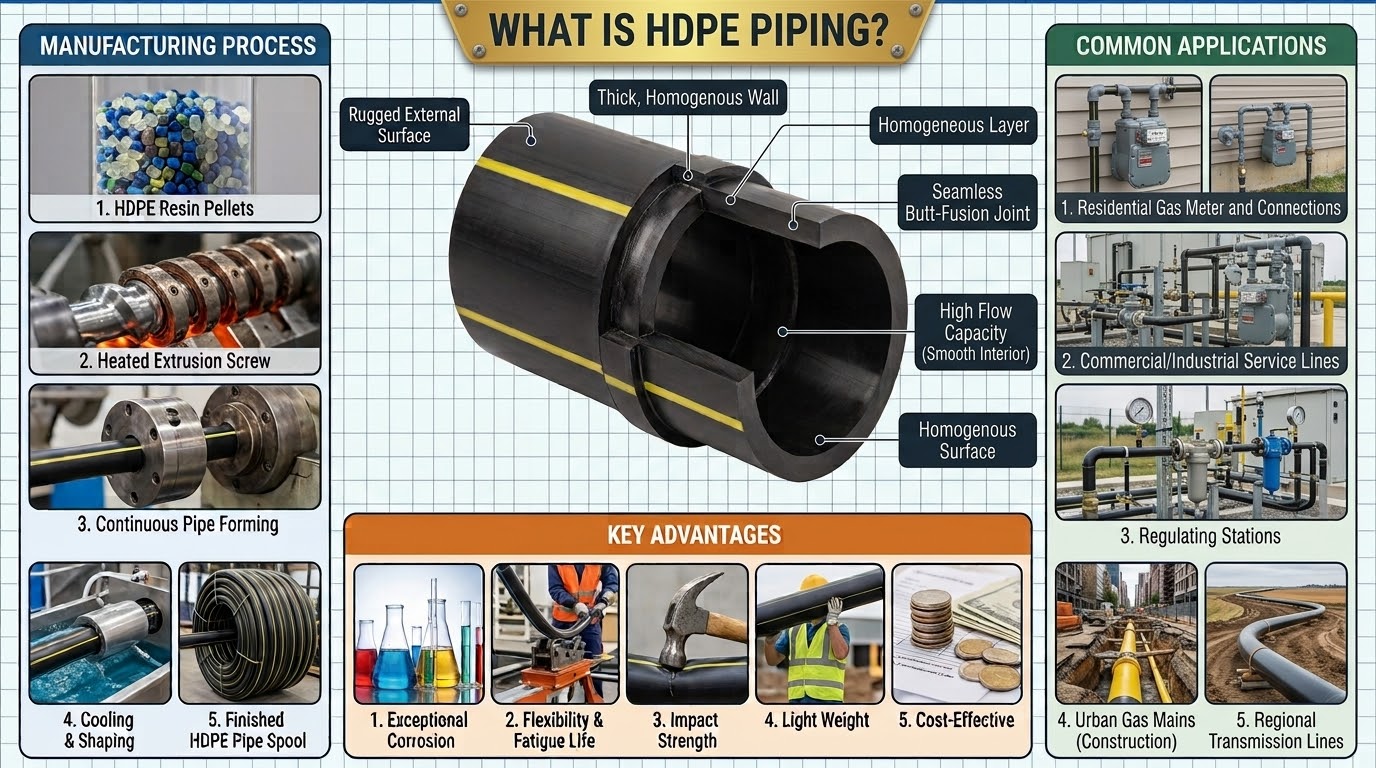
HDPE, or high-density polyethylene thermoplastic material, is specifically designed for underground natural gas transmission. Mainstream grades include PE80, PE100, and PE4710 for the North American market. It boasts excellent crack resistance, chemical corrosion resistance, and long-term pressure resistance, ensuring safe and stable underground use, making it the preferred pipe material for gas transmission and distribution projects. Baishunxing Pipeline's HDPE gas pipelines are manufactured according to international standards such as ASTM D2513, ISO4437, and EN1555. Products strictly adhere to regional market specifications, with different material grades matching different pressure ratings and project requirements, suitable for overseas markets in Europe, Asia, and North America. The pipes utilize hot-melt welding connections, ensuring strong sealing, resistance to ground settlement, and a long service life. They are widely used in urban gas pipeline networks, underground gas transmission renovations, and trenchless construction projects, fully meeting the stringent safety requirements of overseas gas engineering projects.
Why use HDPE pipelines to transport natural gas?
1. The use of fusion welding (thermal fusion or electrofusion) essentially ensures the consistency of the interface material and structure with the pipe body itself , achieving integration between the joint and the pipe.
2. Resistant to corrosion from various chemical media : Polyethylene is an inert material and, except for a few strong oxidizing agents, can resist corrosion from various chemical media. It exhibits no electrochemical corrosion and does not require an anti-corrosion layer.
3. Superior flexibility and ease of installation . Its elongation at break generally exceeds 500%, and the flexible structure can handle ground movement , requiring fewer joints , making it suitable for trenchless installation . Applications: Flexible structures capable of handling ground movement with fewer joints , suitable for horizontal directional drilling (HDD) : urban gas pipelines , rural natural gas transmission , industrial gas systems.
4. Rapid cracking in pipelines can cause catastrophic accidents, with cracks propagating at speeds of hundreds of meters per second, instantly leading to the rupture of tens or even thousands of meters of pipeline. PE pipes , on the other hand , have excellent resistance to rapid crack propagation.
- With a long service life and low maintenance costs, HDPE pipes offer: a service life of over 50 years (depending on conditions and standards) with minimal maintenance requirements, reducing lifecycle costs. Initial cost is only one factor; total lifecycle cost is more important.
- Lightweight transportation using high-density polyethylene (HDPE) gas pipelines; reduced installation emissions, recyclable materials, and minimized maintenance impact.
Application of High-Density Polyethylene Gas Pipelines
Residential natural gas pipeline network
City gas system
Industrial applications
Rural natural gas construction
HDPE and steel pipes in natural gas transportation
|
Feature |
HDPE Gas Pipe |
Steel Pipe |
|
Corrosion Resistance |
Excellent |
Requires protection |
|
Flexibility |
High |
Low |
|
Installation |
Faster |
More complex |
|
Maintenance |
Low |
Higher |
|
Weight |
Lightweight |
Heavy |
FAQ:HDPE Gas Pipelines for Natural Gas Transmission
1. What standards must HDPE gas pipelines meet?
HDPE gas pipelines should comply with recognized standards such as ISO 4437, EN 1555, and ASTM D2513, or local gas pipeline regulations. These standards ensure the material quality, pressure resistance, and safety of the pipelines in natural gas applications.
2. Can HDPE gas pipelines be used for underground natural gas pipelines?
Yes, HDPE gas pipelines are widely used in underground natural gas pipeline projects. Their flexibility, corrosion resistance, and ability to adapt to ground displacement make them suitable for urban, rural, and industrial gas transmission and distribution systems.
3. What are the differences between PE80 and PE100 gas pipelines?
Compared to PE80 pipes, PE100 gas pipes offer higher strength and pressure resistance, allowing for thinner wall thicknesses and improved material utilization efficiency. PE100 pipes are typically chosen for modern natural gas pipeline projects requiring higher performance.
4. Which SDR rating is suitable for natural gas HDPE pipelines?
The appropriate SDR rating depends on the working pressure, pipe diameter, and project requirements. Common options include SDR11 and SDR17, with the specific choice depending on the pressure rating and applicable piping standards.
5. What factors should be considered when purchasing HDPE gas pipelines from manufacturers?
When selecting an HDPE gas pipeline manufacturer, factors such as material quality, certifications, production capacity, testing procedures, customization services, and experience in natural gas pipeline projects should be considered.