 EN
EN

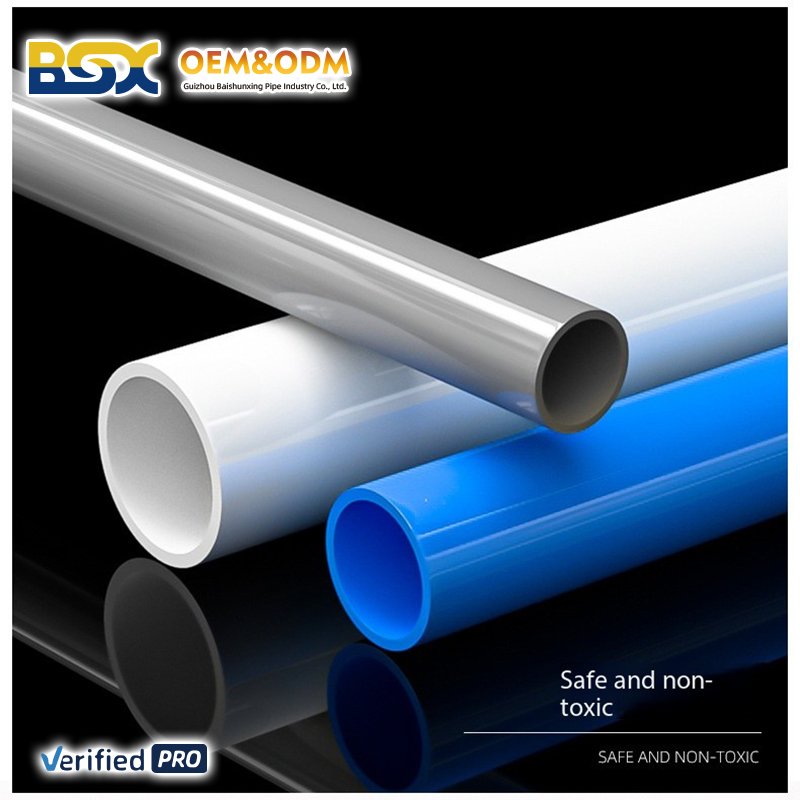
Choosing the Right PVC Irrigation Pipe Before Installation
Agricultural irrigation systems require stable and efficient water transportation solutions, especially for farms that depend on consistent water supply throughout different growing seasons. Selecting the right PVC irrigation pipe is the first step toward building a reliable irrigation network. Before installation, agricultural operators need to consider several factors, including water pressure, field size, soil conditions, climate environment, and crop requirements.
A suitable pipe specification helps maintain balanced water distribution and prevents problems such as pressure loss or uneven irrigation. In practical agricultural projects, many pipeline failures are related to incorrect planning rather than product quality. Choosing the proper pipe diameter, wall thickness, and connection method can significantly improve the overall performance of the irrigation system.
PVC irrigation pipe is widely used in agricultural applications because it combines durability, lightweight handling, and strong resistance to corrosion. Compared with some traditional materials, PVC pipes are easier to transport and install, making them suitable for different farming environments, including vegetable plantations, orchards, greenhouse projects, and large-scale agricultural fields.
Based on experience in agricultural water transportation projects, professional installation teams usually evaluate the complete irrigation layout before placing orders or starting construction. A well-planned system not only improves water efficiency but also reduces future maintenance requirements.
Proper Installation Methods Improve Irrigation System Performance
The installation process directly affects the service life and working efficiency of an agricultural irrigation system. Before installing PVC irrigation pipe, the construction area should be carefully prepared. The pipeline trench should be clean, level, and free from sharp objects that may damage the pipe surface during long-term operation.
During installation, accurate alignment between pipe sections is essential. Poor connections or unnecessary stress at joints may lead to leakage problems after continuous use. Professional installers usually pay close attention to connection quality and ensure each section is properly fitted according to project requirements.
Another important factor is installation depth. Underground irrigation pipelines need suitable protection from agricultural machinery, soil movement, and seasonal temperature changes. The correct installation depth depends on local environmental conditions and farming practices.
From our practical experience, testing the irrigation system after installation is a necessary step. Pressure testing helps identify possible connection problems and ensures that the pipeline can operate under expected working conditions. These professional installation procedures allow PVC irrigation pipe systems to provide stable water delivery for long-term agricultural production.
Why PVC Irrigation Pipe Is Suitable for Agricultural Applications
The popularity of PVC irrigation pipe in agriculture comes from its excellent balance between performance and cost efficiency. For modern farming operations, irrigation systems must provide reliable water supply while controlling installation and maintenance expenses.
One of the main advantages of PVC pipe is its corrosion resistance. Agricultural environments often expose pipelines to moisture, soil conditions, and different water qualities. PVC materials can maintain stable performance under these conditions, helping extend the service life of irrigation systems.
Another benefit is the smooth inner surface of PVC irrigation pipe. This structure reduces friction during water transportation and supports efficient water flow. Better flow performance allows irrigation systems to operate more effectively and helps farmers manage water resources more efficiently.
PVC pipes are also practical for transportation and installation because of their lightweight characteristics. This advantage can reduce labor requirements and improve construction efficiency, especially for agricultural projects covering large areas.
For farms and agricultural suppliers, selecting reliable irrigation products is not only about immediate installation costs but also about long-term operating value. A properly designed PVC irrigation system can support stable crop growth and provide a dependable solution for water management.
Common Applications of PVC Irrigation Pipe in Modern Farming
PVC irrigation pipe has become an important component in various agricultural applications. It is commonly used for farmland irrigation, greenhouse watering systems, orchard irrigation, and other agricultural water distribution projects.
In vegetable farming, stable irrigation is essential for maintaining crop quality and production efficiency. PVC pipeline systems help deliver water evenly to different planting areas, supporting better growing conditions. For orchards, reliable underground pipelines can provide continuous irrigation while reducing water loss caused by inefficient transportation.
Greenhouse agriculture also requires precise water management. PVC irrigation pipe can work together with different irrigation equipment to create an organized water supply system that meets specific planting requirements.
For agricultural projects with larger operational needs, pipeline reliability becomes even more important. A professional irrigation solution requires not only suitable pipe products but also proper design, installation, and maintenance planning.
As an experienced agricultural pipeline supplier, we understand that every farming environment has different requirements. Providing suitable product solutions based on application conditions helps customers achieve better irrigation results and long-term system stability.
Maintenance Tips for Extending PVC Irrigation Pipe Service Life
Although PVC irrigation pipe is designed for long-term agricultural use, regular inspection and maintenance can further improve system reliability. Routine checks of pipe connections, valves, and exposed pipeline sections can help detect potential issues before they affect irrigation operations.
Farm operators should also pay attention to water quality and system cleaning. Sediments or impurities inside the pipeline may reduce water flow efficiency over time. Regular flushing and proper maintenance can help keep the irrigation system working smoothly.
Seasonal inspections are especially useful for agricultural applications. Before planting seasons begin, checking the entire pipeline network allows operators to repair small problems early. After harvest periods, maintenance inspections help prepare the system for future irrigation requirements.
Industry experts generally agree that efficient agricultural irrigation depends on three key factors: suitable products, correct installation methods, and proper maintenance management. By combining high-quality PVC irrigation pipe with professional installation practices, agricultural users can build reliable irrigation systems that support sustainable farming development.
Table of Contents
- Choosing the Right PVC Irrigation Pipe Before Installation
- Proper Installation Methods Improve Irrigation System Performance
- Why PVC Irrigation Pipe Is Suitable for Agricultural Applications
- Common Applications of PVC Irrigation Pipe in Modern Farming
- Maintenance Tips for Extending PVC Irrigation Pipe Service Life