 EN
EN
Understanding the Importance of International Standards for UPVC Pipe Export
When purchasing piping products for international projects, quality standards and compliance requirements are among the most important factors considered by global buyers. Different countries and regions may have specific expectations regarding material performance, pressure resistance, durability, and safety requirements. For this reason, manufacturers exporting UPVC pipe need to ensure that their products meet recognized international standards.
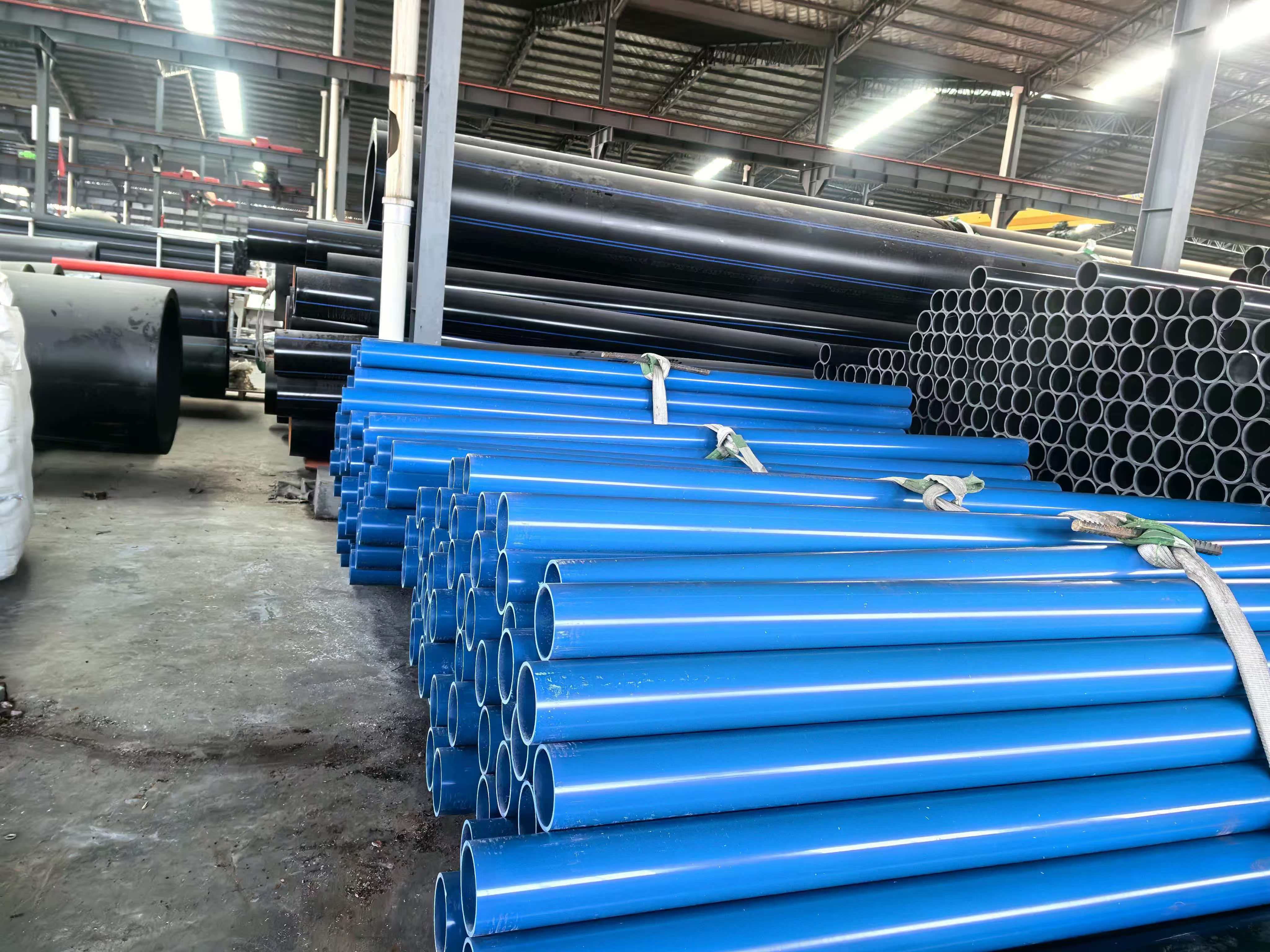
UPVC pipe has become widely used in water supply, agricultural irrigation, industrial applications, and infrastructure projects because of its excellent corrosion resistance, lightweight structure, and long service life. However, for export markets, product performance alone is not enough. Compliance with international standards such as BS 3505 and ISO 1452 helps demonstrate that the pipe system can meet professional engineering requirements.
In practical export projects, many customers focus on whether the supplier understands international specifications and can provide consistent product quality. A reliable UPVC pipe manufacturer should not only produce pipes according to technical requirements but also maintain strict quality control throughout material selection, production processes, and inspection procedures.
Based on experience in international pipeline supply, successful export cooperation often depends on clear communication about standards, application conditions, and project requirements. Understanding the role of BS 3505 and ISO 1452 allows suppliers and buyers to select suitable products for different water transportation applications.
How BS 3505 Defines UPVC Pipe Requirements for Water Applications
BS 3505 is a widely recognized standard related to unplasticized polyvinyl chloride pipes used for cold water services. It provides important technical guidelines covering aspects such as dimensions, mechanical performance, pressure classification, and material requirements.
For export applications, compliance with BS 3505 helps ensure that UPVC pipe products are suitable for reliable water transportation systems. The standard focuses on maintaining consistent pipe quality, allowing users to evaluate whether products can perform effectively under specific working conditions.
One key consideration in BS 3505 compliance is pressure performance. Different projects may require pipes to withstand different operating pressures, so selecting the correct pipe specifications is essential. Professional suppliers usually evaluate factors such as pipeline design, water pressure, installation environment, and expected service life before recommending suitable products.
Another important aspect is dimensional accuracy. Proper control of pipe diameter, wall thickness, and overall structure helps ensure compatibility with fittings and improves installation efficiency. During production, advanced manufacturing management and quality inspection processes are necessary to maintain stable product performance.
For international customers, working with suppliers who understand BS 3505 requirements can reduce potential risks during project implementation. It provides greater confidence that the supplied UPVC pipe meets the technical expectations required for professional applications.
ISO 1452 Standard and Its Role in Global UPVC Pipe Applications
ISO 1452 is an international standard specifically related to plastic piping systems made from unplasticized polyvinyl chloride for water supply and pressure applications. It provides a global reference for manufacturers, engineers, and buyers when evaluating pipe quality and performance.
For companies involved in international trade, ISO 1452 compliance demonstrates that UPVC pipe products are designed according to internationally accepted technical principles. The standard covers important factors including material characteristics, pressure resistance, dimensions, and system performance.
One major advantage of following ISO 1452 requirements is improved product reliability. Water supply projects often require pipelines to operate continuously for many years, so resistance to pressure changes, environmental conditions, and chemical exposure is essential.
Professional UPVC pipe manufacturers usually apply strict production controls to ensure product consistency. From raw material inspection to extrusion processing and final quality testing, every stage influences the final performance of the pipe system.
In global markets, customers increasingly prefer suppliers who can provide products that follow recognized international standards. ISO 1452 compliance helps build trust between manufacturers and buyers by providing a clear quality reference.
Quality Control Practices for Export-Ready UPVC Pipe Production
Meeting international standards requires more than simply following technical specifications. A professional manufacturing process must include comprehensive quality management at every production stage.
For UPVC pipe production, raw material selection is the foundation of product quality. Stable and suitable materials help improve mechanical strength, durability, and long-term performance. During manufacturing, production parameters such as temperature control, extrusion speed, and pipe dimensions need to be carefully monitored.
After production, quality inspection plays an important role in ensuring export readiness. Manufacturers typically evaluate appearance quality, dimensional accuracy, pressure performance, and other technical characteristics according to project requirements.
From practical export experience, many successful international projects involve close cooperation between suppliers and customers. Before shipment, professional suppliers usually confirm product specifications, application environments, packaging requirements, and transportation conditions to avoid misunderstandings.
A strong quality control system allows UPVC pipe manufacturers to provide more reliable products for overseas markets. It also helps customers reduce installation risks and improve the overall efficiency of their pipeline projects.
Choosing Reliable UPVC Pipe Solutions for International Projects
For global buyers, selecting the right UPVC pipe supplier is an important decision that affects project quality and long-term operating costs. A reliable manufacturer should have not only production capabilities but also a clear understanding of international standards and export requirements.
When evaluating suppliers, customers should consider factors such as manufacturing experience, quality management systems, technical support capability, and product application knowledge. A professional supplier can provide suitable solutions based on different project environments, whether for water supply networks, agricultural irrigation systems, or other infrastructure applications.
UPVC pipe continues to gain popularity in international markets because of its lightweight design, corrosion resistance, easy installation, and cost-effective performance. However, the best results are achieved when high-quality products are combined with proper engineering design and professional installation methods.
Compliance with BS 3505 and ISO 1452 standards represents a commitment to product reliability and customer confidence. By maintaining strict manufacturing processes and focusing on international quality requirements, UPVC pipe suppliers can support customers in building safer, more efficient, and long-lasting pipeline systems worldwide.
Table of Contents
- Understanding the Importance of International Standards for UPVC Pipe Export
- How BS 3505 Defines UPVC Pipe Requirements for Water Applications
- ISO 1452 Standard and Its Role in Global UPVC Pipe Applications
- Quality Control Practices for Export-Ready UPVC Pipe Production
- Choosing Reliable UPVC Pipe Solutions for International Projects