 EN
EN

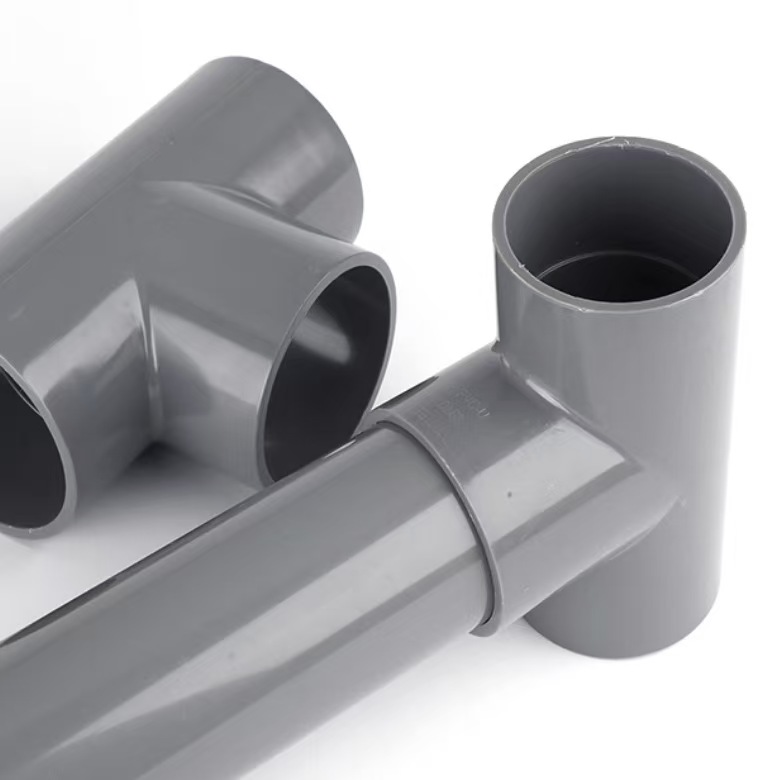
Deciding on the Best Jointing Method for Industrial Piping
Choosing the right connection approach when assembling a high-performance piping network requires a solid understanding of how different components interact under operational stress. Two primary methods dominate the industry when working with modern PVC fittings: solvent bonding and threaded connections. Mechanical engineers and piping contractors frequently debate the merits of solvent bonding versus threaded connections, as each technique offers distinct structural characteristics and long-term reliability for these PVC components. Selecting the wrong method can lead to catastrophic line failures, costly downtime, and compromised safety margins in commercial applications. While some projects demand the permanent, unyielding bond of solvent bonding, others benefit significantly from the adaptability and ease of maintenance provided by threaded connections. Evaluating factors like fluid pressure, temperature variations, and potential pipeline reconfigurations helps determine whether solvent bonding or threaded connections will yield the best results for high-quality PVC fittings.
Technical Dynamics and Reliability of Chemical Fusion
For installations requiring a permanent, leak-proof seal that can withstand high pressure, solvent bonding stands out as the premier choice. The process of solvent bonding goes beyond simple adhesion; it utilizes a specialized chemical primer and solvent cement to dissolve the top layers of plastic on both the pipe and the PVC fittings. As the chemicals evaporate, the polymer chains intertwine and fuse together, essentially creating a single, continuous piece of plastic through solvent bonding. This incredible chemical bond ensures that solvent bonding provides exceptional resistance to internal pressure, hydraulic shock, and mechanical vibrations across all PVC joints. Achieving a successful joint through solvent bonding demands precise preparation, including cutting the pipe square, thoroughly deburring the edges, and applying the components within the correct window of reactivity. High-precision manufacturing is critical here, as tight tolerances in PVC fittings prevent gaps that could weaken the solvent-bonded joint over years of heavy industrial operation, making solvent bonding highly dependable.
Exploring the Flexibility and Functionality of Mechanical Threads
On the other hand, threaded connections offer unmatched versatility and convenience when a piping network requires regular maintenance, inspection, or future modifications. Unlike the permanent nature of solvent bonding, threaded connections rely on matching male and female threads, usually enhanced with polytetrafluoroethylene tape or specific thread sealants to prevent fluid bypass through the PVC connectors. Utilizing threaded connections is highly advantageous in complex systems where valves, meters, or pumps must be isolated and replaced periodically without cutting into the existing line. However, deploying threaded connections requires careful attention during assembly, as plastic threads are susceptible to cross-threading, stripping, and over-tightening. If an installer applies excessive torque to threaded connections, the stress can split the female PVC fittings. This is why robust engineering and heavy-wall construction are absolutely essential for threaded connections, ensuring that these mechanical joints and associated PVC components maintain structural integrity under tightening stress.
Engineering Performance Metrics and Pressure Ratings
When analyzing the technical performance metrics defined by global industrial standards, the structural differences between solvent bonding and threaded connections become very clear. Standard engineering guidelines indicate that a properly executed solvent-bonded joint achieves a full pressure rating equal to the pipe itself, making solvent bonding the standard for primary high-pressure distribution lines. Conversely, utilizing threaded connections inherently reduces the overall pressure capacity of the system, because cutting or molding threads into the pipe wall reduces its effective thickness. Testing reveals that threaded connections are also more vulnerable to structural fatigue caused by constant operational vibrations compared to the monolithic bond achieved by solvent bonding. For these reasons, experienced system designers typically restrict threaded connections to lower-pressure auxiliary lines or easily accessible locations, while relying on the superior strength of solvent bonding for critical segments utilizing industrial-grade PVC fittings.
Selecting the Ideal Strategy for LongTerm System Integrity
Ultimately, balancing the strengths of solvent bonding and threaded connections requires a comprehensive look at the specific application demands and the long-term maintenance strategy of the fluid management system. Many advanced layouts actually implement a hybrid approach, combining the permanent strength of solvent bonding for main headers with the practical serviceability of threaded connections at equipment hookups. Sourcing these components from a reliable manufacturer with advanced production capabilities ensures that both solvent bonding and threaded connections perform flawlessly. This is where BSX delivers exceptional value, leveraging state-of-the-art injection molding technology and a robust global supply chain to provide top-tier PVC fittings that exceed strict international standards. Whether a project relies on the chemical fusion of solvent bonding or the mechanical flexibility of threaded connections, the precision engineering and massive manufacturing capacity backing BSX guarantee maximum operational safety, long-term durability, and seamless integration for global distribution networks utilizing premium PVC fittings.