 EN
EN

Why Agricultural Fields Need Effective Drainage Solutions
Agricultural productivity depends heavily on proper soil conditions, and water management is one of the key factors that influence crop performance. While irrigation provides essential moisture for plant growth, excessive water accumulation can create serious problems, including poor root development, reduced soil oxygen levels, delayed farming operations, and lower crop quality.
In areas with heavy rainfall, high groundwater levels, or poor natural drainage conditions, agricultural land often requires additional drainage systems to maintain a balanced moisture environment. This is where perforated pipe solutions become valuable. Installed underground, these pipes collect excess water from surrounding soil and transport it away from planting areas, helping maintain suitable growing conditions.
In practical agricultural projects, drainage design cannot rely on a single solution. Soil structure, rainfall patterns, crop types, and field layout all affect how a drainage system should be planned. For example, farmland with heavy clay soil usually requires stronger drainage support because water moves more slowly through compact soil layers.
Based on experience in agricultural drainage applications, many field problems are caused by poor water control rather than insufficient irrigation. A properly designed underground drainage system can improve soil conditions, reduce waterlogging risks, and create a more stable environment for long-term crop production.
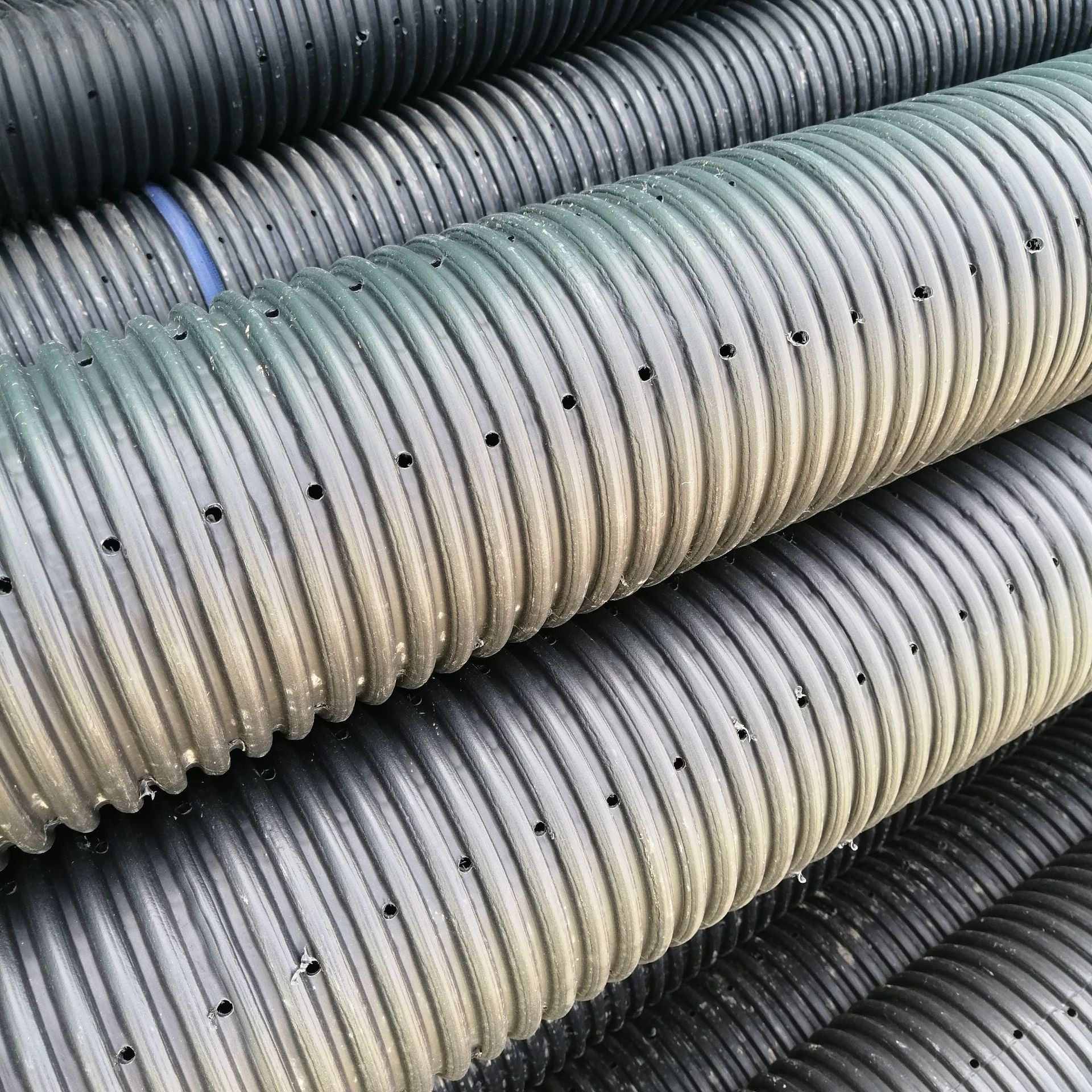
Perforated pipe is widely used in these applications because its specially designed openings allow surrounding water to enter while maintaining efficient underground transportation. When combined with proper installation methods, it provides a practical solution for managing farmland moisture.
How Perforated Pipe Works in Agricultural Drainage Systems
The working principle of perforated pipe is simple but highly effective. Unlike standard solid pipes that only transport water, perforated pipes are designed with evenly distributed openings along the pipe surface. These openings allow groundwater and excess moisture from the surrounding soil to enter the pipe, where it can then flow toward a drainage outlet.
In agricultural fields, these pipes are usually installed underground at carefully selected depths. The installation position depends on factors such as soil permeability, crop root depth, and local climate conditions. A well-designed drainage layout ensures that water is collected efficiently without affecting normal plant growth.
The surrounding material used during installation also plays an important role. In many projects, gravel or filter layers are placed around the perforated pipe to improve water entry and reduce the risk of soil particles entering the system. Proper filtration helps maintain long-term drainage performance and reduces maintenance requirements.
From a construction perspective, accurate installation is essential. Incorrect pipe spacing, unsuitable depth, or poor connection methods may reduce drainage efficiency. Professional agricultural contractors normally evaluate field conditions before installation to determine the most suitable drainage structure.
For large-scale farming projects, a reliable drainage system can significantly improve land utilization. By controlling underground water levels, perforated pipe helps farmers create more consistent growing conditions and reduce losses caused by excessive moisture.
Applications of Perforated Pipe in Soil Improvement and Agricultural Production
Beyond removing excess water, perforated pipe plays an important role in improving overall soil quality. Healthy soil requires a proper balance between moisture and air. When soil remains saturated for long periods, oxygen availability decreases, which can negatively affect root activity and nutrient absorption.
Underground drainage systems using perforated pipe help improve soil aeration by preventing excessive moisture accumulation around plant roots. Better soil conditions allow crops to develop stronger root systems and improve their ability to absorb water and nutrients.
This type of drainage solution is commonly used in vegetable farms, orchards, greenhouse planting areas, and commercial agricultural fields. Different applications may require different drainage designs depending on crop characteristics and environmental conditions.
For orchard projects, controlling soil moisture is especially important. Fruit tree roots are sensitive to prolonged water exposure, and poor drainage may affect plant health over time. A properly designed perforated pipe system helps maintain a more balanced underground environment.
In greenhouse agriculture, where growing conditions are carefully controlled, drainage also plays a critical role. Excess water from irrigation needs to be removed efficiently to prevent root problems and maintain stable production conditions.
Agricultural land improvement is not only about increasing water supply but also about managing water effectively. A well-designed drainage system supports better soil performance and helps farmers achieve more predictable production results.
Benefits of Using High Quality Perforated Pipe for Agricultural Projects
Choosing suitable drainage materials is essential for the success of agricultural infrastructure projects. High quality perforated pipe provides several advantages that make it suitable for long-term underground applications.
Durability is one of the most important considerations. Since drainage pipes are usually buried underground, they must withstand soil pressure, moisture exposure, and environmental changes. Reliable materials help maintain structural stability throughout years of operation.
Another important advantage is installation flexibility. Perforated pipes are available in different specifications to meet various agricultural requirements. Whether used for small farming areas or larger commercial projects, the drainage design can be adjusted according to actual field conditions.
Efficient water collection is also a major benefit. Proper perforation design allows water to enter the pipe effectively while maintaining sufficient mechanical strength. This balance helps improve drainage performance and supports stable field management.
For agricultural operators, reducing maintenance requirements is an important economic consideration. A properly selected and installed drainage system can lower the frequency of repairs, improve land productivity, and reduce problems caused by poor soil moisture control.
When selecting perforated pipe for agricultural projects, buyers should focus not only on product specifications but also on manufacturing consistency, application experience, and technical support. These factors directly influence the reliability of the final drainage system.
Selecting the Right Perforated Pipe Supplier for Agricultural Drainage Needs
For agricultural drainage projects, choosing the right supplier is as important as selecting the correct pipe type. A professional supplier should understand not only pipe production but also the practical requirements of different agricultural environments.
Before purchasing, customers should evaluate factors such as product quality, technical capability, production experience, and the supplier’s understanding of drainage applications. A suitable solution should match local soil conditions, climate characteristics, and project objectives.
Experienced manufacturers usually provide guidance on pipe selection, installation recommendations, and application methods. This technical support helps customers avoid common mistakes during project planning and improves the overall effectiveness of the drainage system.
In international agricultural markets, product consistency is especially important. Export projects often involve different environmental conditions and installation standards, requiring suppliers to maintain stable quality control throughout production.
Perforated pipe continues to be an important solution for agricultural field drainage and soil improvement because it addresses one of the biggest challenges in farming: maintaining the right balance of water in the soil. Through proper product selection and professional project planning, agricultural users can build drainage systems that support healthier soil and more efficient land management.
Table of Contents
- Why Agricultural Fields Need Effective Drainage Solutions
- How Perforated Pipe Works in Agricultural Drainage Systems
- Applications of Perforated Pipe in Soil Improvement and Agricultural Production
- Benefits of Using High Quality Perforated Pipe for Agricultural Projects
- Selecting the Right Perforated Pipe Supplier for Agricultural Drainage Needs