 EN
EN

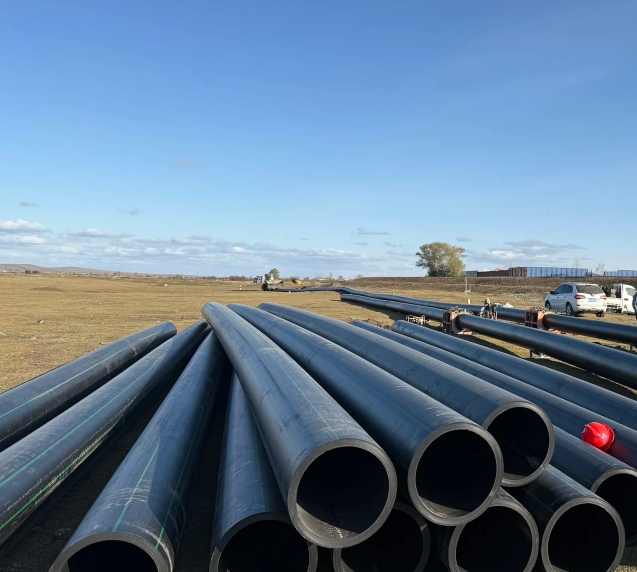
Understanding the Growing Demand for PP Compression Fittings in Modern Piping Systems
In modern water distribution, irrigation, and agricultural pipeline projects, connection reliability plays an important role in the overall performance of the system. While pipes are responsible for transporting water, fittings determine how effectively different sections of the pipeline can be connected, adjusted, and maintained. A suitable fitting solution can improve installation efficiency, reduce maintenance requirements, and provide better long-term operating stability.
Among different connection solutions available today, PP compression fittings have become increasingly popular in agricultural irrigation, water supply networks, and other low-pressure piping applications. Their practical design, easy installation process, and reliable connection performance make them a preferred choice for many professional users.
Traditional fittings often require more complicated installation procedures, special tools, or additional preparation work before connection. In contrast, PP compression fittings are designed with a mechanical compression structure that allows pipes to be connected securely without complicated operations. This feature is especially valuable in projects where installation speed and flexibility are important.
Based on experience in irrigation and water pipeline applications, many project challenges come from connection problems rather than the pipes themselves. Leakage, difficult maintenance, and long installation periods can increase project costs. Choosing the right fitting system helps improve overall pipeline performance and reduces unnecessary operational issues.
For agricultural projects, where irrigation networks may cover large areas and require frequent adjustments, the flexibility of PP compression fittings provides practical advantages. They allow installers to create efficient pipeline systems that can adapt to different field conditions and project requirements.
How PP Compression Fittings Improve Installation Efficiency
One of the biggest advantages of PP compression fittings is their simple installation process. Unlike some traditional connection methods that require heating equipment, welding procedures, or specialized skills, compression fittings can usually be installed through a straightforward mechanical connection method.
The design typically includes a compression nut, sealing components, and a fitting body that work together to secure the pipe. When the fitting is tightened, the internal components create a stable seal around the pipe, helping prevent water leakage during operation.
This installation method provides greater convenience, especially for agricultural irrigation projects where pipeline layouts may need frequent modification. Farmers and installation teams can easily connect, disconnect, or adjust sections of the system when expanding planting areas or changing irrigation designs.
In large-scale projects, installation efficiency directly affects construction schedules and labor costs. A fitting system that requires less installation time can help contractors complete projects faster while reducing the possibility of errors caused by complicated procedures.
From practical project experience, simple installation does not mean reduced reliability. High-quality PP compression fittings are designed to provide stable connections when properly selected and installed. This combination of convenience and performance makes them suitable for various water transportation applications.
Advantages of PP Compression Fittings Compared with Traditional Connection Methods
When comparing PP compression fittings with traditional fittings, flexibility is one of the most noticeable differences. Many traditional connection methods require fixed installation procedures, making later adjustments more difficult. Compression fittings provide easier maintenance and modification options, which is valuable for systems that may change over time.
Another important advantage is corrosion resistance. PP materials have good resistance against moisture, chemicals, and environmental conditions commonly found in agricultural and water applications. This helps maintain fitting performance during long-term use, especially in outdoor environments.
PP compression fittings also provide strong adaptability. They are available in different sizes and configurations, allowing them to be used in various pipeline layouts. Whether for agricultural irrigation systems, greenhouse watering projects, or general water supply applications, these fittings can provide flexible connection solutions.
Maintenance convenience is another factor that attracts many users. When pipeline adjustments or repairs are required, compression fittings can often be removed and reinstalled more easily compared with some permanent connection methods. This reduces downtime and improves system management efficiency.
For professional buyers, product reliability and total project cost are important considerations. Although initial product selection is important, the long-term value of easier installation, lower maintenance requirements, and flexible system management should also be considered.
Applications of PP Compression Fittings in Agriculture and Water Management
PP compression fittings are widely used in agricultural irrigation systems because modern farming requires efficient and adaptable water distribution solutions. Agricultural fields often involve complex pipeline layouts, different irrigation zones, and changing seasonal requirements.
In drip irrigation systems, sprinkler systems, and greenhouse watering projects, reliable connections are essential for maintaining stable water pressure and preventing leakage. PP compression fittings provide a practical connection method that supports efficient water delivery throughout the irrigation network.
For farms with expanding production areas, pipeline flexibility becomes increasingly important. Compression fittings allow users to modify existing systems more easily when adding new irrigation sections or adjusting field layouts.
Besides agriculture, PP compression fittings are also used in landscaping irrigation, water supply projects, and various low-pressure fluid transportation systems. Their lightweight design and convenient installation make them suitable for applications where efficiency and adaptability are required.
From an engineering perspective, selecting the correct fitting type is an important part of pipeline system design. The fitting must match the pipe material, operating conditions, and installation environment to achieve reliable performance.
Professional suppliers usually consider the complete application scenario rather than only providing individual components. Understanding water pressure, temperature conditions, and project requirements helps ensure the selected PP compression fittings deliver the expected results.
Choosing Reliable PP Compression Fittings for Long-Term Pipeline Performance
Selecting suitable fittings is an important decision for any pipeline project. While installation convenience is a major advantage of PP compression fittings, product quality and manufacturing consistency remain essential factors.
Reliable fittings should provide stable sealing performance, accurate dimensions, and good material durability. During production, quality control processes help ensure that every fitting meets expected performance requirements.
For international buyers, supplier experience is also an important consideration. A professional manufacturer should understand different market requirements and provide products suitable for various applications. Clear technical communication helps customers select the correct fitting specifications for their projects.
In practical applications, the best pipeline systems are created by combining suitable pipes, reliable fittings, and proper installation methods. Each component affects the overall performance of the system, and fittings play a key role in maintaining connection stability.
PP compression fittings offer a balanced solution for users who need efficient installation, flexible maintenance, and reliable pipeline connections. With their practical design and wide application range, they continue to be an effective choice for agricultural irrigation and water management projects.
Table of Contents
- Understanding the Growing Demand for PP Compression Fittings in Modern Piping Systems
- How PP Compression Fittings Improve Installation Efficiency
- Advantages of PP Compression Fittings Compared with Traditional Connection Methods
- Applications of PP Compression Fittings in Agriculture and Water Management
- Choosing Reliable PP Compression Fittings for Long-Term Pipeline Performance