 EN
EN
Real World Field Experience Testing Pressure Lines
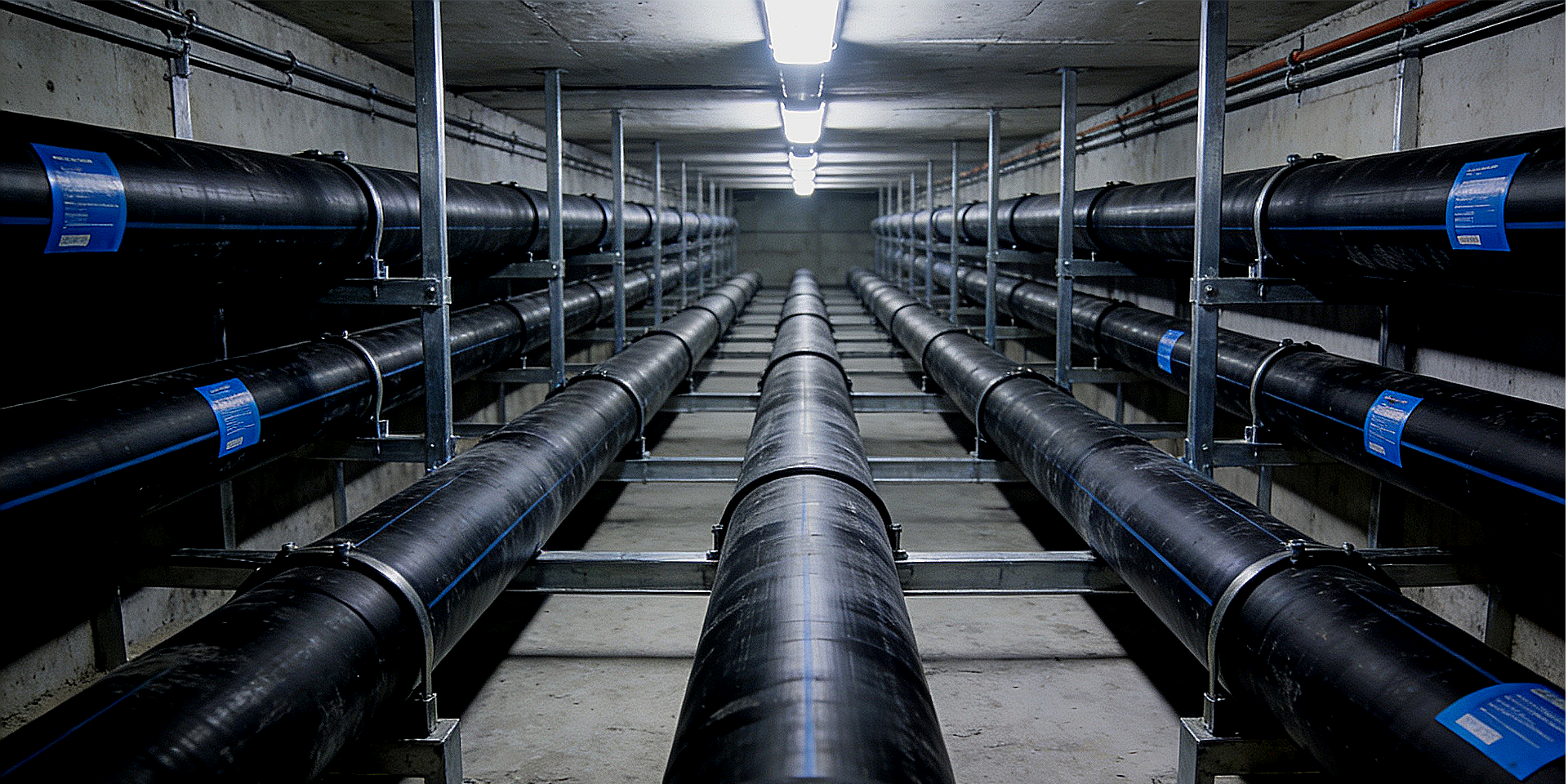
Realizing a fully secure fluid transport network requires an unwavering focus on quality control from start to finish. Last year, while overseeing a major municipal water network expansion, our field team completed a massive pipeline installation but faced an unexpected pressure drop during the initial system check. It turned out that a couple of joints were slightly misaligned, which taught us a valuable lesson about why knowing how to inspect tightness of critical connection points is just as vital as the assembly process itself. When managing complex distribution networks, executing a successful pipeline installation requires verifying every single junction before burial. We relied on heavy-duty pipe fittings to assemble the grid, but even the best materials can experience issues if you do not inspect tightness with proper care. Experienced field technicians know that skipping the step to inspect tightness after completing a pipeline installation leads to tiny micro-leaks that destroy structural foundations over time. Making sure you systematically evaluate all installed pipe fittings ensures long term system safety, protects public investments, and prevents costly re-excavation work.
Technical Procedures for Hydrostatic Pressure Evaluation
To achieve accurate and undeniable results after a pipeline installation is finished, engineering teams heavily favor hydrostatic pressure testing methods. This highly reliable process involves completely filling the network with water, carefully purging all trapped air pockets, and raising the internal pressure to a specific target level, usually one and a half times the maximum design limit. When you conduct this intensive pressure test immediately following a pipeline installation, it helps isolate any hidden weak links within the connected pipe fittings. Maintaining this elevated pressure level for several hours allows quality inspectors to inspect tightness by checking for visible moisture accumulation or measurable drops on the master gauge. Technical experts understand that minor pressure variations can happen due to ambient temperature changes, so analyzing the resulting data requires deep field expertise. Utilizing robust, precision-molded pipe fittings ensures that the system components handle these elevated testing forces without cracking or deforming. To inspect tightness successfully, you must ensure the entire pipeline installation is fully stabilized, allowing the pipe fittings to demonstrate their true sealing capacity under simulated real-world operating conditions.
Industry Standards and Safety Protocols for Gas Systems
For gas distribution systems or specialized industrial situations where introducing water is not feasible, standard guidelines from international engineering bodies recommend pneumatic testing to inspect tightness. When executing a pneumatic pressure test following a pipeline installation, safety protocols must remain the absolute top priority because compressed air stores a massive amount of potential energy. Field technicians carefully apply a specialized chemical bubble solution over all joint areas and pipe fittings to inspect tightness visually. According to official protocols from the Plastic Pipe and Fittings Association, any continuous bubble formation indicates an immediate joint failure that requires swift corrective action. It is crucial to remember that executing a successful pipeline installation depends on using components that meet incredibly strict manufacturing tolerances. Choosing certified pipe fittings ensures that the mating threads and fusion zones match up perfectly, significantly reducing the risk of unexpected failures when you inspect tightness. Adhering to these authoritative industry standards ensures your entire pipeline installation remains fully compliant, highly efficient, and completely safe for decades of continuous field operations.
Practical Diagnostic Tools and Inspection Checklists
Beyond standard high pressure tests, utilizing modern diagnostic equipment brings immense transparency and practical value when you choose to inspect tightness. Forward-thinking inspectors now use specialized ultrasonic leak detectors to catch tiny, high-frequency hiss sounds coming from imperfect pipe fittings after a pipeline installation is complete. This advanced non-destructive testing method offers clear, undeniable proof of joint integrity without causing any physical damage to the surrounding infrastructure. To achieve the most accurate results after your pipeline installation, onsite installers must follow a strict quality checklist, examining every single joint under optimal lighting conditions. Checking for exact torque specifications on mechanical joints and ensuring sufficient chemical cure times for solvent-welded pipe fittings are critical steps to complete before you inspect tightness. Providing clean, verifiable diagnostic data builds long term trust with clients, regulators, and project owners. Knowing exactly how to inspect tightness ensures that the completed pipeline installation satisfies all contract metrics, proving that investing time into checking your pipe fittings protects the entire infrastructure asset.
Manufacturing Excellence for Secure Fluid Networks
Ultimately, achieving a completely flawless, leak-free fluid network depends heavily on sourcing your primary construction materials from a manufacturer committed to world-class engineering. This is exactly where BSX delivers exceptional market value, leveraging advanced high-precision injection molding technology to produce top-tier pipe fittings that ensure seamless, ultra-reliable connections. When contractors complete a challenging pipeline installation using BSX products, the task to inspect tightness becomes much more predictable because our components feature incredibly strict dimensional consistency. Sourcing from our robust, integrated global supply chain guarantees that your public or private project receives durable pipe fittings designed to pass rigorous field testing protocols with ease. When you inspect tightness after finishing a complex pipeline installation, the exceptional material integrity and rugged design of BSX products minimize the risk of unexpected joint failures. Trusting our specialized manufacturing capabilities allows international distribution networks to deploy secure, high-performing fluid systems that easily stand up to the most demanding pressure checks in the industry.