EN
EN

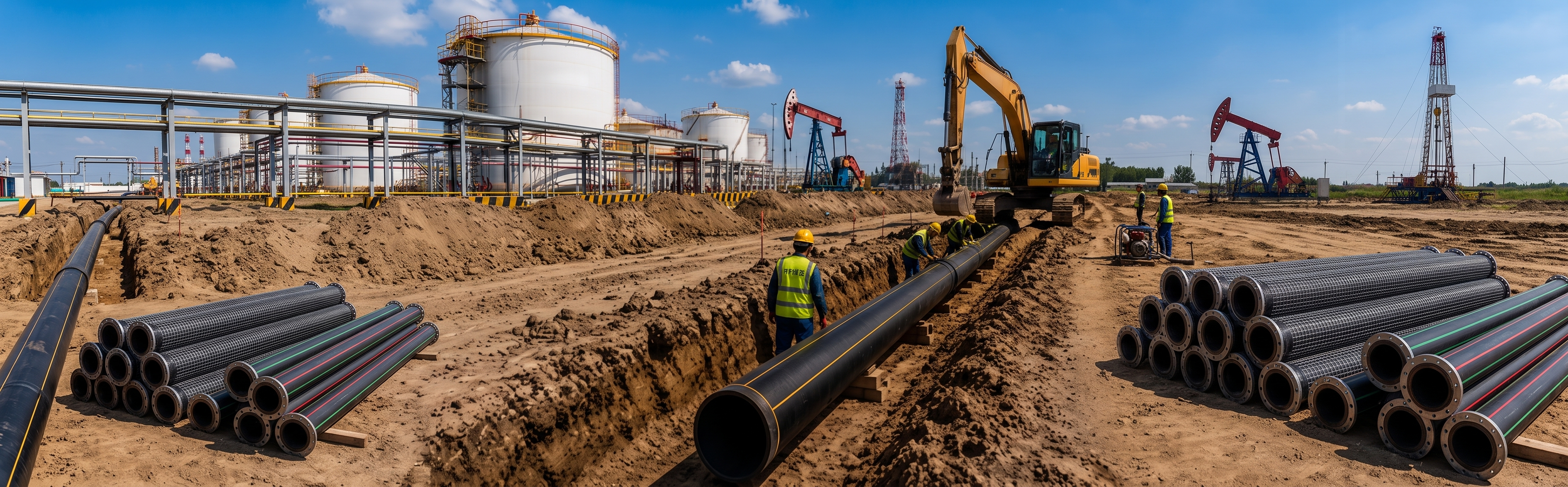
Gas Station Infrastructure
PE Fuel Pipe Solutions for Gas Station Underground Fuel Transfer Systems
Chemical Resistant Polyethylene Fuel Piping
Reliable Underground Fuel Transport via Advanced PE Pipeline Engineering
Underground fuel transfer systems at service stations operate in high-risk environments. Pipelines must not only withstand fuel pressure and subsurface loads but also resist:
Long-term chemical exposure to gasoline, diesel, and ethanol fuels;
Ground settlement and dynamic vehicle loads;
Material degradation caused by damp underground conditions;
Risks of permeation and leakage during long-term operation.
BSX Pipe offers specialized PE fuel piping solutions. Engineered using fuel-compatible polymer materials, these systems provide safe, corrosion-resistant, and low-maintenance underground fuel transport for service stations, fuel depots, distribution terminals, and energy infrastructure.
Key Engineering Challenges in Underground Fuel Pipeline Systems
Preventing Fuel Leakage and Environmental Contamination
Fuel Leakage: Leaks of gasoline and diesel not only cause soil and groundwater contamination and increase environmental remediation costs, but can also lead to fire safety risks, operational disruptions, and regulatory penalties.
PE Material Offers Superior Corrosion Resistance
PE fuel piping utilizes high-molecular-weight polyethylene, offering excellent chemical resistance, high impact strength, and long-term dimensional stability. Compared to traditional steel fuel piping, PE systems significantly reduce the need for underground maintenance.
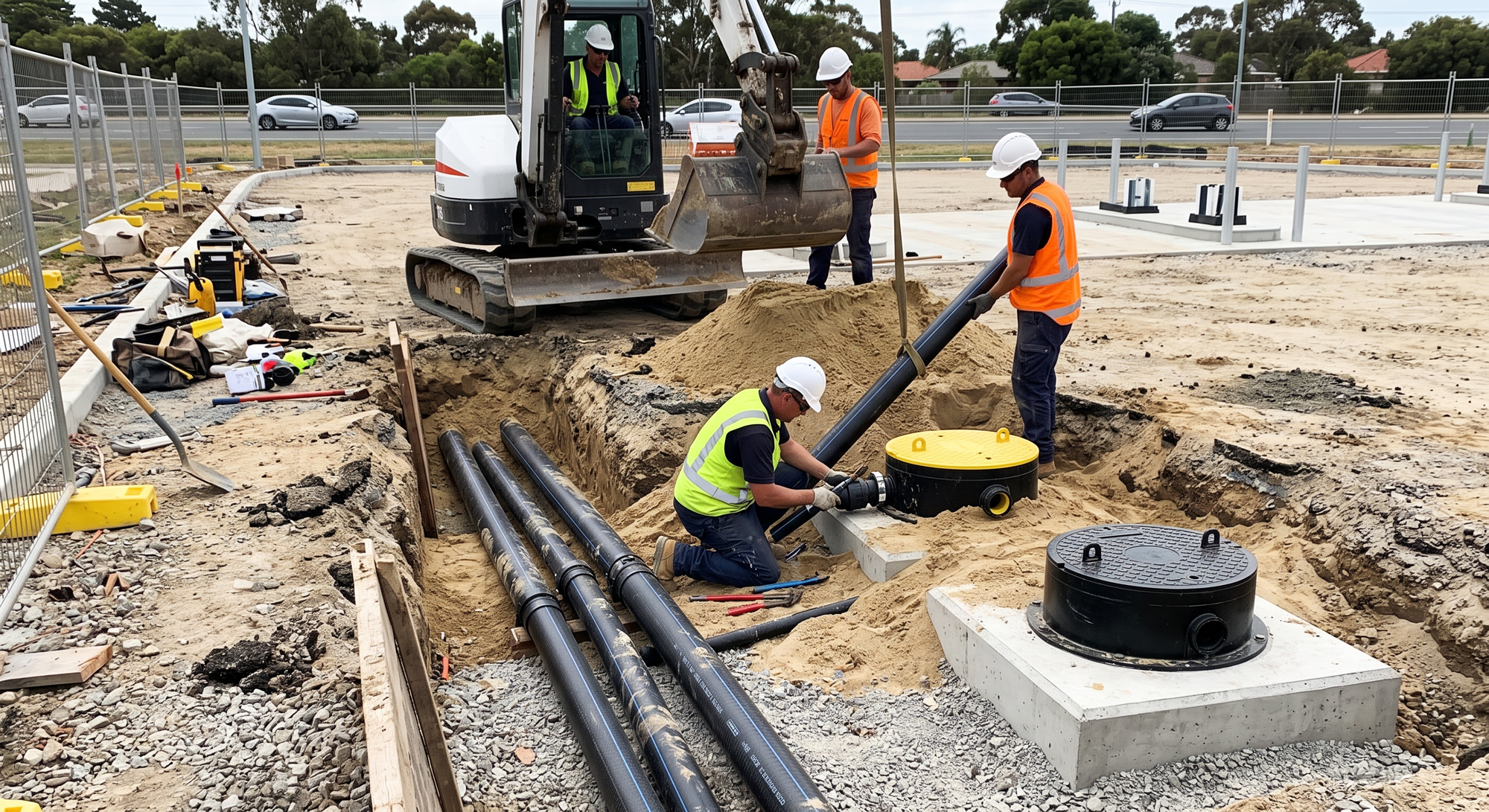
Maintaining Long-Term Fuel Compatibility
Aromatic hydrocarbons and alcohols present in various fuels can compromise the performance of standard plastic materials.
Engineering specifications must account for: chemical compatibility, hydrocarbon resistance, and fuel permeation control.
Fuel-Grade PE Piping Ensures Stable Performance
BSX PE fuel piping utilizes a material system designed for fuel environments, featuring hydrocarbon resistance, low fuel permeability, and long-term mechanical stability.
Technical Specifications & International Engineering Standards
Applicable Standards
EN 14125 — Thermoplastic piping systems for underground fuel applications
UL 971 — Nonmetallic underground piping for flammable liquids
ASTM fuel piping related standards
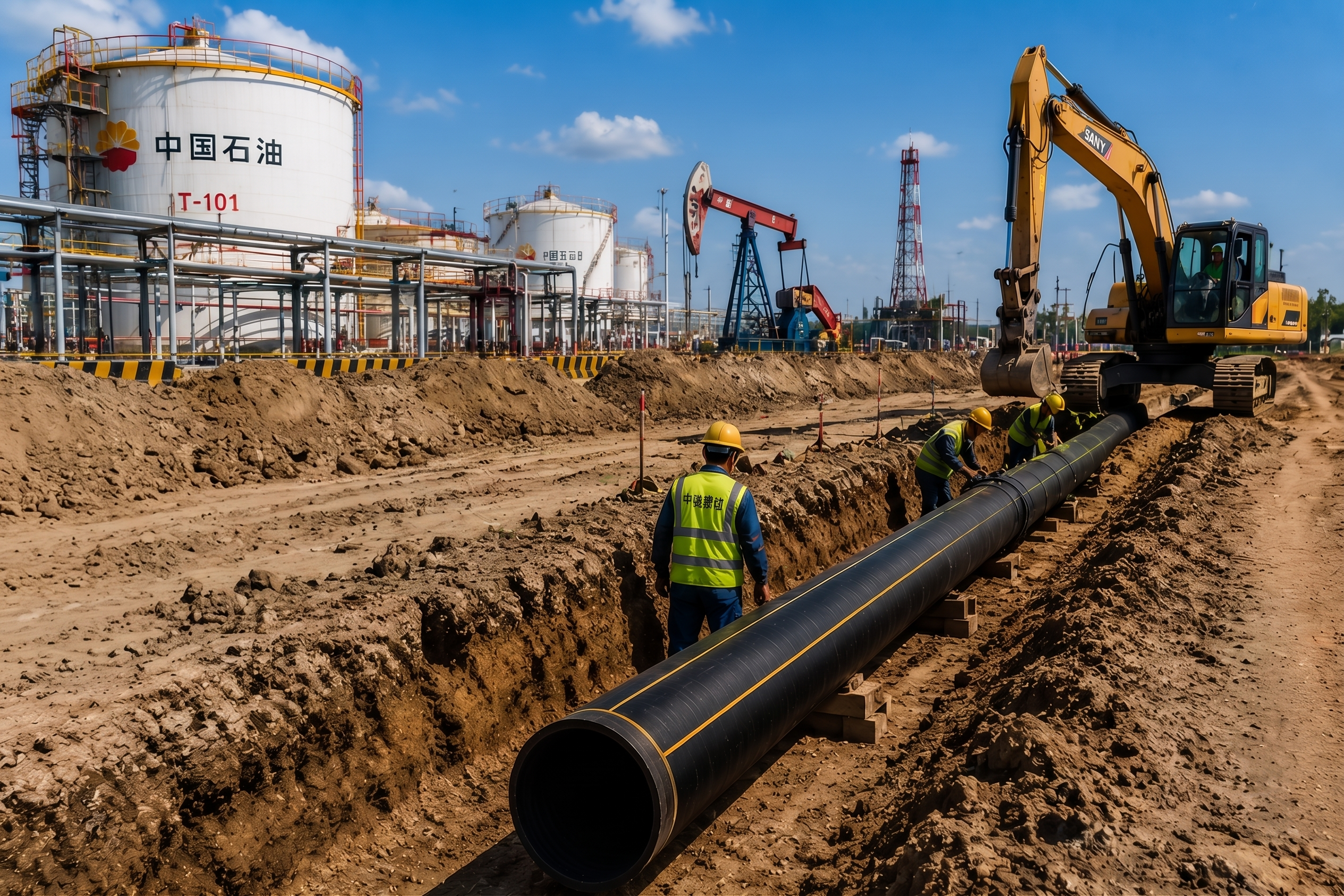
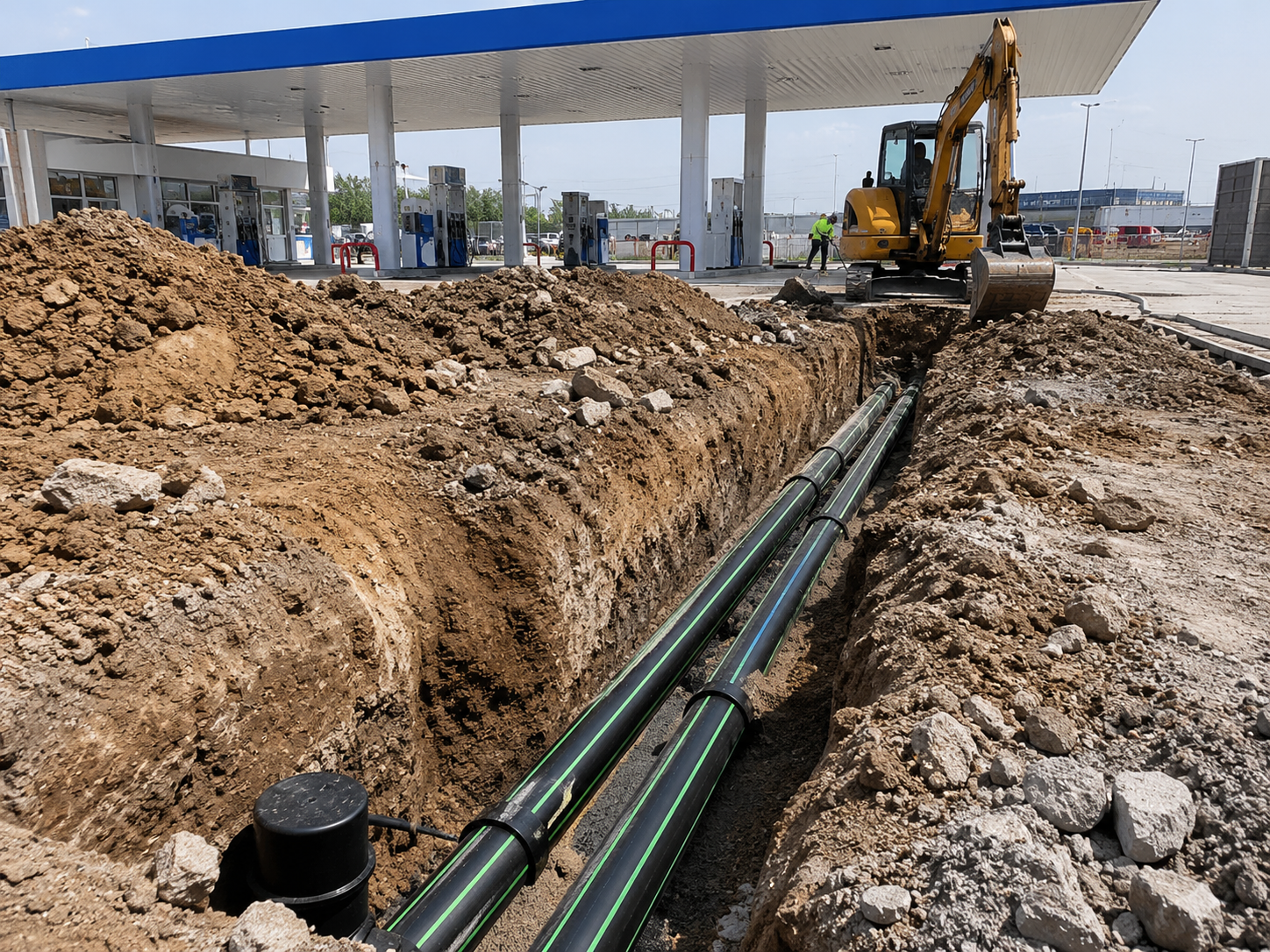
Engineering Parameter Framework
|
Parameter |
PE Fuel Pipe |
|
Application |
Underground Fuel Transfer |
|
Medium |
Gasoline / Diesel / Ethanol / Biodiesel |
|
Material |
Fuel Resistant PE |
|
Structure |
Single Wall / Double Wall Option |
|
Connection |
Electrofusion / Butt Fusion |
|
Chemical Resistance |
Hydrocarbon Resistant |
|
Installation |
Underground |
|
Temperature Range |
Customized According to Fuel Type |
|
Service Life |
30–50+ Years |