EN
EN
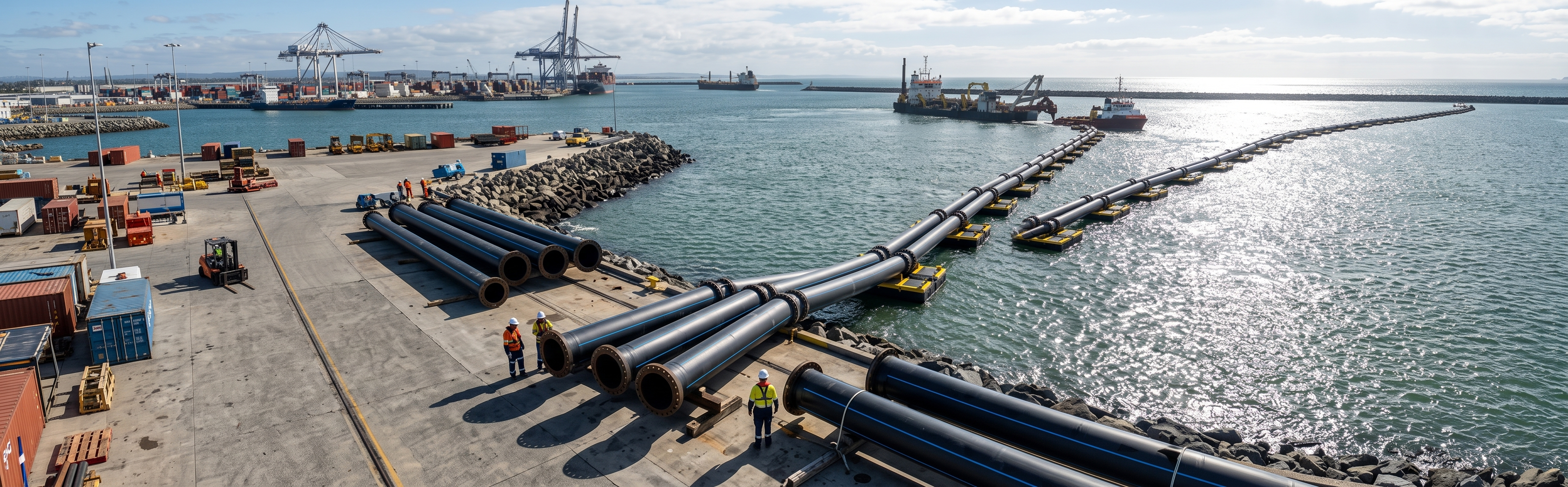
Marine & Dredging
HDPE Dredging Pipe Systems
PE Flanged Pipes for Marine Dredging and Slurry Transportation
Engineered PE Dredging Pipeline Solutions Designed for Abrasion Resistance, Flexible Marine Installation, and Long-Distance Slurry Transfer
Marine dredging operations involve transport systems subject to heavy loads, high abrasion, and challenging environmental conditions. Unlike standard water pipelines, dredging pipes must continuously transport sand slurries, gravel particles, and sediment mixtures. They require high abrasion resistance, flexibility for marine deployment, reliable connection performance, and the capability for long-distance material transport.
BSX Pipe supplies large-diameter HDPE dredging pipes featuring flange connection systems for global marine engineering projects, including:
Port expansion
Offshore land reclamation
River dredging
Coastal development
Mining slurry transport
By utilizing high-density polyethylene (HDPE) materials, large-diameter structural designs, and reliable PE flange connection systems, BSX Pipe delivers low-maintenance, high-efficiency transport solutions for dredging projects.
Marine Dredging Pipeline Engineering Challenges
Continuous Slurry Flow Creates Severe Pipe Wear
The medium conveyed in dredging pipelines differs from ordinary water flow; the slurry contains sand particles, gravel, sediment, and mineral solids. High-velocity flow causes continuous abrasive wear, which is particularly pronounced at pipe bends, connection points, and pump discharge sections.
Marine Dredging Requires Flexible Long-Distance Pipeline Deployment
Dredging projects typically require the layout of hundreds of meters of pipeline, floating pipeline systems, and temporary relocation. Construction environments are complex, involving waves, tidal movements, and vessel operations. Rigid pipelines present challenges such as difficult installation, high adjustment costs, and inconvenient transportation; consequently, modern dredging projects increasingly favor:
Lightweight HDPE pipe
Flexible connection systems
Modular pipeline designs
Large Diameter Pipeline Connections Must Ensure Reliability
Large-scale dredging projects typically utilize pipelines with diameters of DN500+, DN800+, DN1000+, or even larger. Connection systems must withstand internal slurry pressure, pipeline movement, and external marine forces. Insufficient connection reliability can lead to slurry leakage, production interruptions, and environmental issues; consequently, PE flange systems have become a key choice for such projects.
BSX Large Diameter PE Flanged Dredging Pipeline Solution
BSX offers comprehensive dredging conveyance solutions:
Large-diameter HDPE dredging pipe
PE flange connection system
Custom-length pipelines
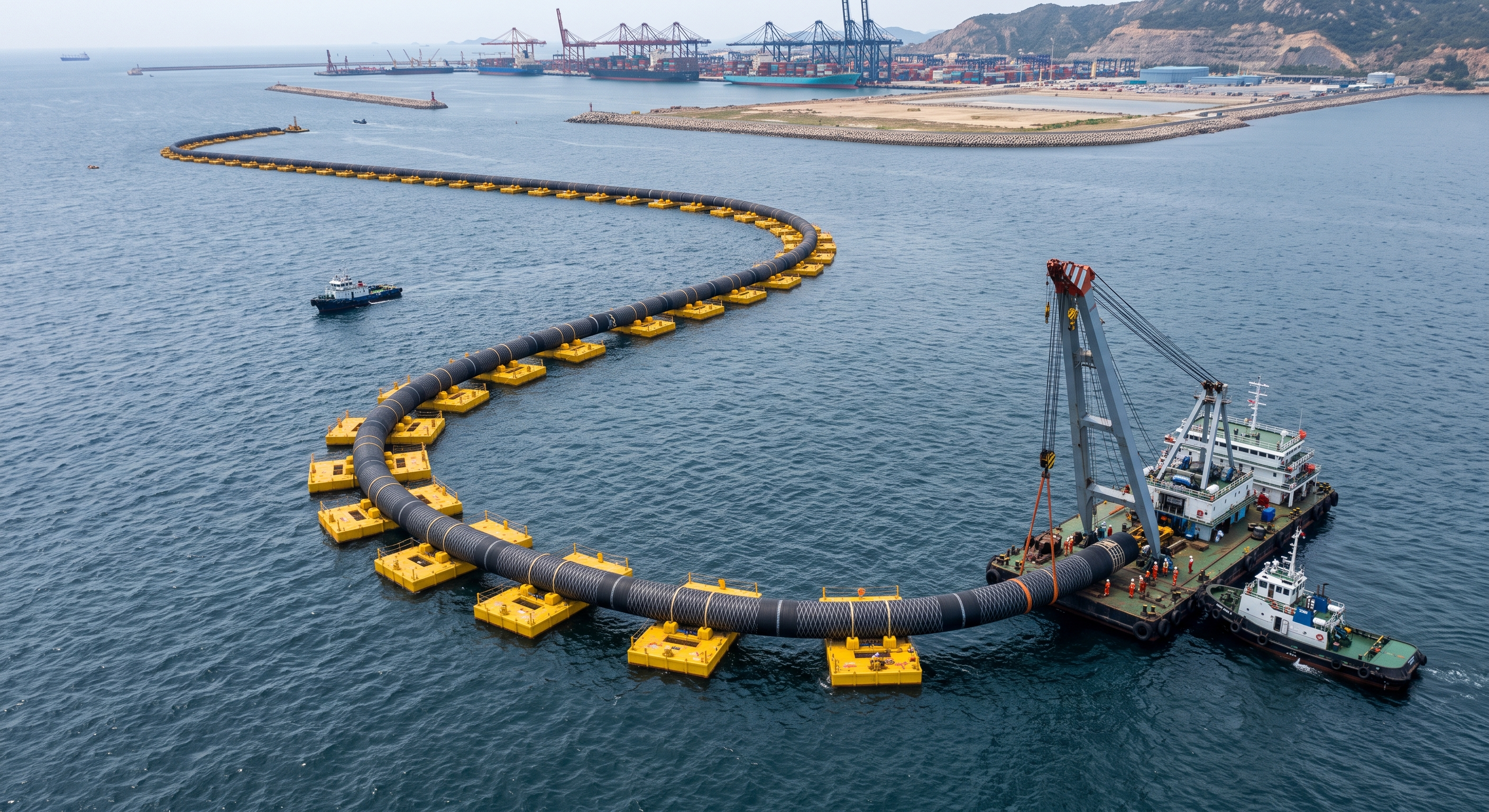
Floating dredging pipeline configurations
System advantages:
Lightweight
Corrosion-resistant
Abrasion-resistant
Easy installation
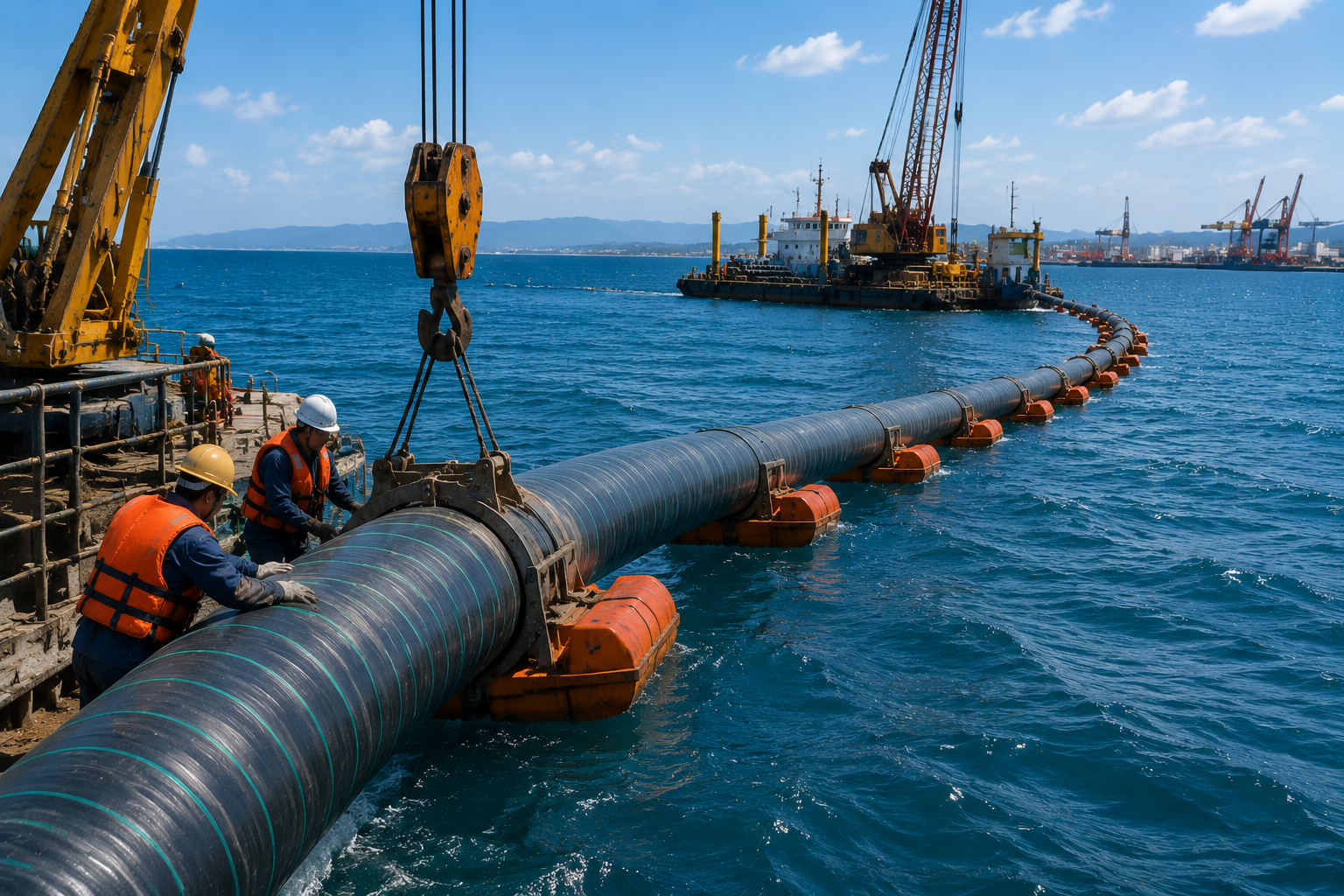
BSX Large Diameter PE Flanged Dredging Pipeline Solution
BSX offers comprehensive dredging conveyance solutions:
H3: Large Diameter HDPE Dredging Pipe — Built for Heavy Slurry Transportation
As a core material for dredging pipes, HDPE offers excellent overall performance.
Its molecular structure provides:
Low friction coefficient
High impact resistance
Good wear resistance
Suitable for:
Sand pumping
Slurry transfer
Sediment discharge
HDPE's low density offers advantages such as:
Ease of transport
Faster installation
Reduced lifting requirements
Particularly suitable for:
Floating dredge pipelines
Offshore projects
Temporary pipeline systems
PE Flange Connection System — Reliable Modular Pipeline Assembly
BSX large-diameter PE dredging pipes utilize flange connections. System components:
PE pipe body
PE flange
Steel backing flange
Bolt connection system
Fast Installation and Maintenance
Flange structure advantages:
Easy assembly
Easy dismantling
Convenient relocation
Suitable for:
Mobile dredging operations
Seasonal projects
Large-scale marine construction
Stable connection under marine conditions
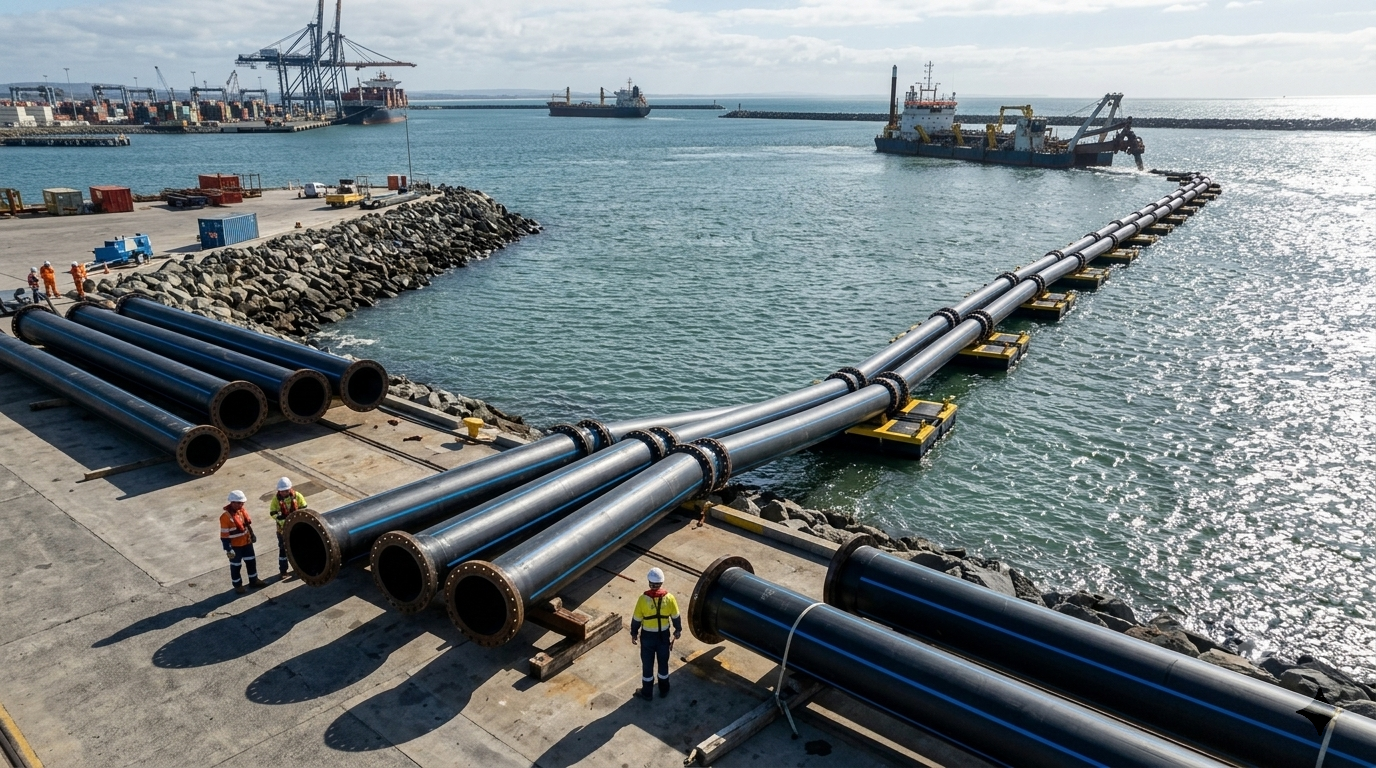
Customized Dredging Pipeline Design
BSX supports project-specific customization, including:
Pipe diameter
Wall thickness
Length
Flange specifications
Floating pipeline configuration
Engineering specifications are matched based on: pump capacity, slurry density, transport distance, and operating pressure.
Complete Marine Dredging Pipeline System Configuration
|
System Component |
Application |
|
Large Diameter HDPE Pipe |
Slurry transportation |
|
PE Flange System |
Modular connection |
|
Floating Pipe Assembly |
Offshore dredging |
|
Customized Accessories |
Project integration |
Application areas:
Port dredging
Land reclamation
River restoration
Offshore engineering
Mining slurry transport
HDPE Dredging Pipe Technical Specifications
Applicable Standards:
ISO 4427 — Polyethylene piping systems for water applications
EN 12201 — PE pressure piping systems
ASTM F714 — Polyethylene pipe specifications
ISO 21307 — PE pipe fusion jointing procedures
Typical Engineering Parameters:
|
Parameter |
Specification Range |
|
Material |
HDPE / PE100 |
|
Diameter Range |
DN200 – DN1600+ |
|
Connection |
PE Flange / Butt Fusion |
|
Pressure Rating |
PN6 – PN20 |
|
Application |
Dredging / Slurry Transportation |
|
Installation |
Floating / Submerged / Shore Pipeline |
|
Length |
Customized |